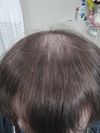
User tried Minoxidil and Finasteride for hair loss with no success and considers giving up. Others suggest continuing treatment, trying hair transplant, or embracing baldness.
User shared 15-month progress using Oral Dutasteride and Sublingual Minoxidil for hair loss. Treatment improved hair density, now considering hair transplant with fewer grafts.
Someone who is starting to experience hair loss and is considering multiple treatments, such as minoxidil, finasteride, dutasteride, and a hair transplant, to manage it. Replies provide advice on how to approach these treatments safely and effectively.
This conversation is about a user's post showing their progress in hair growth after four months of taking finasteride and minoxidil, although it was later revealed that they had also received a hair transplant. The replies to the post were mixed, with some questioning the validity of the results and others expressing admiration.
A user had a disappointing dermatologist appointment where they were denied prescriptions for Dutasteride and oral Minoxidil for hair loss and were only offered a hair transplant referral. Other users sympathized, discussed self-medication, and suggested consulting a transplant doctor for up-to-date treatments.
A user who experienced positive results from using finasteride and dutasteride to treat their hair loss, with 2000 grafts being transplanted in the temples area for further improvement. They also discussed cost and other treatments such as minoxidil.
Yokohama University and Dr. Fukuda plan human hair multiplication trials in 2023. Users express hope for future hair cloning treatments over current hair transplants.
A user's hair loss treatment regimen, which includes minoxidil, ketoconazole shampoo and microneedling; some participants questioned the results due to previous posts about hair transplants, but others agreed that quick results are possible with certain treatments.
Epibiotech will offer off-the-shelf allogeneic hair multiplication treatment in South Korea, using dermal papilla cells from donors to grow hair in balding areas. This method is cheaper and less invasive than traditional hair transplants.
The conversation discusses a user's hair regrowth over three years using Minoxidil, Finasteride, and a hair transplant, along with Biotin supplementation. Some users question the authenticity of the results and the organization of the before-and-after photos.
The conversation discusses hair cloning progress and mentions treatments like Minoxidil, finasteride, and RU58841. Users also talk about hair transplants and their effectiveness.
Hair loss impacts mental health, with treatments like Minoxidil, finasteride, and stem cell transplants discussed. There is hope for future breakthroughs, but current treatments are limited, and awareness is lacking.
Celebrities opening up about their hair loss and the various treatments they are using to address it, including finasteride, dutasteride, and hair transplants, as well as the stigma surrounding male pattern baldness in Hollywood.
Hair loss treatments, including minoxidil, dermarolling, finasteride, dutasteride, hair transplants, hair systems, and shaving the head. The conversation covers various opinions on these treatments and mentions possible side effects as well as alternatives like wigs, vitamins, and lifestyle changes. The post expresses disappointment that there has been no major breakthrough in the field of hair loss treatments despite decades of research.
The user experienced positive hair regrowth and thicker hair after 12 weeks on 1.25mg Finasteride and 2.5mg Minoxidil chewables, with no side effects. They plan to reassess the need for a hair transplant after seeing further progress.
A 32-year-old shares their one-year experience using dutasteride 0.5 mg and minoxidil for hair loss, noting some progress but still considering a hair transplant for better density. They mention decreased libido as a side effect and discuss the cost and considerations of a hair transplant.
User tried oral dut 0.5mg, oral min 5mg, topical RU 80mg, and weekly microneedling at 1.5mm for hair loss. Others commented on the significant improvement and potential for future hair transplant.
A 20-year-old male is experiencing hair thinning and has not seen results from using oral minoxidil, dutasteride, ketoconazole shampoo, and GHK-Cu. He is seeking alternative treatments before considering a hair transplant or hair fibers.
The conversation is about dealing with hair loss and exploring treatments like HRT, Minoxidil, and micro-needling. The user is considering wigs and possibly a hair transplant while expressing feelings of self-doubt and seeking support.
The user experienced significant hair regrowth using finasteride, minoxidil, and microneedling, but saw a decline after reducing treatments and stopping gym workouts. They plan to restart microneedling and consider a hair transplant in the future.
A 26-year-old is considering embracing baldness after mixed results and side effects from using dutasteride, minoxidil, and finasteride for hair loss. Suggestions include trying new hairstyles, considering a hair transplant, or focusing on self-acceptance.
The user experienced significant hair regrowth and improved hair density after four months using finasteride, minoxidil, and microneedling, avoiding the need for a hair transplant. They plan to continue their current routine due to positive results and are not considering switching to dutasteride.
The user has been using oral finasteride for about 9 months and oral minoxidil for about 4 months, with some regrowth observed. They are considering a hair transplant and hope to reduce the number of grafts needed by continuing these treatments.
Minoxidil and finasteride have stabilized hair loss but not significantly improved regrowth. The user is considering dutasteride, oral Minoxidil, or a hair transplant for better results.
The conversation humorously suggests that elites with full hair are suppressing a hair loss cure to maintain their dating advantage. It mentions treatments like hair systems, hair transplants, and medications such as Minoxidil and finasteride.
A 35-year-old man has used finasteride for 12 years and oral minoxidil at 5 mg for 2 years, achieving significant hair regrowth and density without side effects, avoiding a hair transplant. He recommends consistency with medication and highlights the effectiveness and affordability of oral minoxidil.
A 33-year-old male shared his 3-month progress using 1mg oral finasteride and 2.5mg oral minoxidil, along with supplements and serums, reporting thicker hair and new growth in thinning areas without side effects. Users suggested considering dutasteride or a hair transplant for better results, while others encouraged continuing the current regimen for at least a year.
A 24-year-old male is experiencing hair thinning and feels hopeless, considering treatments like finasteride and minoxidil but is concerned they might not work. He is also contemplating a dermatologist visit and is unable to afford a hair transplant.
The user experienced significant hair regrowth using topical finasteride for 8-9 months, topical minoxidil for 3 months, and weekly microneedling with a stamp. They reported no side effects from the topical treatments and are considering a hair transplant for further improvement.
The user has been using finasteride for 2.5 years and topical minoxidil for 9 months with minimal regrowth and is considering trying dutasteride or other treatments like microneedling and Maxogen. They are hesitant about a hair transplant and are advised to consider additional treatments or supplements.