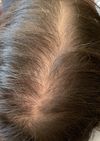
Microneedling and tretinoin may enhance minoxidil absorption for hair loss, but evidence on their effectiveness is limited. Iron supplements and broccoli sprouts are suggested for enzyme activation, but their impact on hair is unclear.
The user is experiencing thinning at the temporal points and has been using minoxidil, dermarolling, and a mixture of natural oils to improve hair growth. They are considering finasteride as a potential treatment based on shared information.
A 27-year-old is considering a hair transplant after unsuccessful minoxidil and dermarolling use, but is hesitant about finasteride due to potential side effects. Users advise trying finasteride or dutasteride to prevent further hair loss and suggest that a transplant won't stop balding without medication.
A 27-year-old shared progress pictures 4 months after a hair transplant, expressing satisfaction with the results and improved self-esteem. They have been using finasteride for nearly a year and minoxidil for 3 months, with significant reduction in hair loss.
The user experienced noticeable hair thickening and new growth after two months using a topical solution of minoxidil and finasteride. Continued improvement is expected, with potential for a full head of hair after further treatment and possibly a transplant.
A 5-year-old male considering using finasteride to prevent receding hairline, with suggestions ranging from topical minoxidil and estrogen treatments to hair transplantation and shaving.
The conversation is about a user's 13-month progress using oral finasteride and topical minoxidil for hair loss, showing significant improvement but considering a hair transplant for increased density. The user also takes biotin and saw palmetto, uses Hims shampoo, and plans to consult a surgeon for potential grafts.
A user experienced significant hair improvement using oral finasteride for six months, adding microneedling and switching to non-sulfate shampoo. They managed side effects by working out and noticed no negative impact on libido.
User discusses topical liposomal finasteride for hair loss, hoping to avoid breast growth side effect. Conversation includes using minoxidil, fluridil, and dermarolling, and mentions minimal systemic absorption of liposomal finasteride.
Minoxidil sulfate is more effective than regular minoxidil, especially for those with low sulfotransferase levels or scalp sensitivity, but it is unstable unless delivered in a liposomal format. Combining minoxidil with tretinoin can enhance effectiveness, and stopping minoxidil use can lead to rapid hair loss.
The user experienced significant hair regrowth after 2.5 years of using Minoxidil 5% and hormone replacement therapy (HRT) with Lupron, despite initial scalp irritation. Finasteride was ineffective for them.
RT1640, a combination of cyclosporin A, minoxidil, and RT175, is discussed as a potential treatment for hair regrowth and repigmentation. The unique formulation aims to enhance hair follicle growth and restore hair pigment without the negative side effects of immunosuppressants.
A dermatologist advised stopping minoxidil and trying redensyl serum, while also starting finasteride. Concerns were raised about increased hair loss after stopping minoxidil.
The trichologist avoids recommending Minoxidil, focusing instead on changing medications monthly for seborrheic dermatitis, resulting in only slight improvement in hair quality and loss. The user is considering starting Minoxidil independently due to slow progress and personal distress.
The user experienced side effects like dull skin and eye bags from minoxidil after a hair transplant and is considering alternatives like redensyl. They stopped using finasteride due to side effects and are concerned about maintaining hair without minoxidil.
A 24-year-old male has been using finasteride for 7 months and noticed thinning hair, especially when wet, and is concerned about the effectiveness of the treatment. Suggestions include continuing finasteride, considering minoxidil, and possibly trying micro-needling.
The user has been using Finasteride for seven months to address hair loss but hasn't seen noticeable regrowth and is experiencing brittle, thinning hair with scalp issues. They are also using Salisia and Re’equil Salicylic Acid shampoo for potential psoriasis and are seeking advice from others with similar experiences.
The user is experiencing scalp irritation from a compounded treatment of finasteride, minoxidil, and tretinoin. They are considering switching to a non-alcohol, propylene glycol-free formula with a lower tretinoin percentage to reduce irritation.
A user is considering a hair transplant and seeks advice on choosing a clinic, mentioning Spain, Turkey, and the U.S. as options. They are inspired by FC Barcelona goalkeeper ter Stegen's results and are willing to spend up to 50k euros for the best outcome.
A 24-year-old male has been using oral Finasteride 1mg/day for 6 months and nanoxidil for 10 months, recently switching to oral Minoxidil 2.5mg daily, with no progress. Suggestions include getting a scalp biopsy, consulting a dermatologist, and possibly trying higher doses of oral Minoxidil or switching to dutasteride.
A 34-year-old man has been using oral minoxidil and finasteride for three months with noticeable hair regrowth and no side effects. He is considering a hair transplant but is currently satisfied with the progress and prefers not to switch to more aggressive treatments.
The user experienced side effects from finasteride and found improved mood and performance with DHT, but it worsened hair loss. They are considering options like TRT, HCG, and topical treatments like Saw Palmetto, but struggle with balancing hair preservation and functionality.
The user, SnooDonuts9235, shares their positive experience with a hair transplant and using topical finasteride and minoxidil. They express concern about increased shedding and ask if it is normal. Other users compliment their results and ask about the clinic and procedure details. SnooDonuts9235 encourages others to consider a hair transplant even without taking oral finasteride and shares that the procedure was not as scary as they initially thought.
A 35-year-old man had a hair transplant in 2019 but experienced further hair loss due to not using finasteride or minoxidil. Many suggest shaving his head or considering a hair system, as his donor area is depleted and further transplants may not be viable.
The user is considering starting pyrilutamide before a scheduled hair transplant, having previously used oral minoxidil and finasteride with worsening results. They also tried dutasteride, which worsened their hair and made their skin oily.
The individual has experienced a sore, stiff, and itchy scalp with hair loss for 4.5 years, and has noticed increased thinning and miniaturized hairs, especially at the temples. They have tried ketoconazole shampoo without success and are considering finasteride for treatment.
The conversation discusses the tension theory as a cause of male pattern baldness (MPB), suggesting that scalp tension and reduced subcutaneous fat layer contribute to hair loss. Treatments mentioned include Minoxidil, finasteride, microneedling, scalp massages, and Botox.
A 15-year-old experiencing severe diffuse thinning plans to use minoxidil, dermarolling, and possibly ketoconazole, with hopes to later incorporate finasteride. Concerns about starting finasteride too young and the need for a dermatologist consultation are discussed.
The user's progress in treating their hair loss using finasteride, minoxidil, vitamins, and microneedling, with one person suggesting to wait six more months before considering a hair transplant. The other person agreed that a hair transplant would be nice.