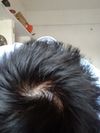
Hair regrowth after 13 weeks using topical minoxidil, oral finasteride, peptide shampoo, serum, and a red light hat. Some growth is attributed to a recent hair transplant.
User discusses topical liposomal finasteride for hair loss, hoping to avoid breast growth side effect. Conversation includes using minoxidil, fluridil, and dermarolling, and mentions minimal systemic absorption of liposomal finasteride.
A 21-year-old is experiencing significant hair loss and considering treatments like dutasteride, minoxidil, and possibly a hair transplant. Others share their experiences with finasteride, scalp micropigmentation, and hair transplants, discussing the emotional impact and offering support.
The Shiseido/Replicel RCH-01 trial results were disappointing and ineffective. Users expressed skepticism and frustration, suggesting alternatives like Tsuji or simply accepting baldness.
A transgender woman experienced significant hair regrowth after 18 months of hormone replacement therapy (HRT) with estrogen and bicalutamide. The discussion notes HRT's effectiveness for hair regrowth but warns against its use for cisgender men due to feminizing effects.
IGFBP‐rP1 shows potential for treating androgenic alopecia by influencing hair cycle transitions. Increasing IGF-1 levels may have similar effects to Minoxidil and 5-AR inhibitors in reducing hair loss.
The conversation discusses biannual SCUBE3 injections and microneedling as treatments for hair loss. Specific treatments mentioned include Minoxidil, Finasteride, and RU58841.
A 31-year-old male seeks advice on reversing crown and hairline baldness. Recommendations include using finasteride or dutasteride, minoxidil, microneedling, and ketoconazole shampoo.
Stem cell therapy shows promise in treating hair loss by mimicking DHT-resistant cells from the back of the head. Traditional treatments like finasteride are also discussed, but stem cells could potentially offer a more permanent solution.
The user is considering whether to get a second hair transplant or wait to see the results from switching to oral minoxidil and finasteride. They also use microneedling and ketoconazole shampoo.
The user experienced significant hair regrowth using high doses of dutasteride, minoxidil, and finasteride, but still considers a hair transplant due to thin hair and limited temple improvement. They face challenges accessing medication and are exploring additional treatments like microneedling.
A hair transplant experience after 6 months, with 4100 grafts, which took 3 months to stop looking obvious and included finasteride treatment. It also discusses the differences between DHI and FUE methods.
A user is seeking recommendations for doctors who perform Dutasteride mesotherapy in NJ or PA, as they are having trouble finding one through Google. The conversation focuses on finding a suitable provider for this specific hair loss treatment.
The user shared their hair regrowth journey using treatments like dutasteride, minoxidil, microneedling, tretinoin, Nizoral, silica, biotin, and hormone replacement therapy (HRT) with cyproterone and estradiol. They reported substantial hairline improvement and some crown thinning, with hopes for further progress.
The user is experiencing hair thinning on the sides and back of the head while the top remains thick. A reply suggests it might be retrograde alopecia.
Topical pirfenidone is highlighted as an effective anti-inflammatory and anti-fibrotic treatment for hair loss, particularly in addressing perifollicular fibrosis, which may enhance the effectiveness of standard treatments like finasteride and minoxidil. The user also uses calcipotriol, MCT oil, ciclopirox shampoo, and benzoyl peroxide shampoo as part of their regimen.
The conversation discusses continuing finasteride and minoxidil after a hair transplant. Minoxidil should be applied around the new hairline, avoiding the transplant area until healed, then gradually extended to all areas.
A 25-year-old with AGA experienced hair thinning and dandruff, stabilized with topical finasteride and minoxidil but saw minimal regrowth. They seek advice on styling and consider oral minoxidil and microneedling for denser hair.
The conversation discusses the potential for high doses of dutasteride to completely inhibit scalp DHT and speculates whether this could cure baldness when combined with a topical antiandrogen. Specific dosages mentioned are 0.5 mg reducing scalp DHT by 55% and 2.5 mg by about 79%.
A user achieved significant hair regrowth from Norwood 3 to a dense Norwood 2 after five months using oral dutasteride, oral minoxidil, and a topical solution with minoxidil, retinoic acid, and hydrocortisone. The user reported no side effects and found the topical treatment especially effective for the hairline.
A 24-year-old male is considering the "Big 4" treatments (Finasteride, Minoxidil, Ketoconazole shampoo, and Microneedling) or a hair transplant for hair loss. Most users recommend starting with Finasteride and Minoxidil to stabilize hair loss before considering a transplant.
Baldness is difficult to cure because current treatments like finasteride, dutasteride, and minoxidil only prevent hair shedding, and new developments are mostly ineffective. Botox shows potential in aiding skin regeneration and hair growth, but maintenance therapy with treatments like dutasteride and minoxidil may still be necessary.
Male androgenetic alopecia is commonly treated with topical minoxidil and oral finasteride, both requiring continuous use. Other options include hair restoration surgery, dutasteride, light therapy, and camouflaging agents.
Reducing scalp DHT doesn't directly correlate with preventing hair miniaturization, as different follicles have varying sensitivity levels. Dutasteride at 0.5 mg and 2.5 mg shows minimal visual difference in hair regrowth, with side effects being a consideration for higher doses.
Epristeride is a selective 5 alpha reductase type 2 inhibitor that may reduce scalp DHT similarly to finasteride, with potentially fewer side effects. It is suggested that combining epristeride with finasteride or dutasteride could enhance hair loss treatment effectiveness.
A user underwent a 3750 graft hair transplant in Turkey, initially promised 4500 grafts, and is satisfied with the results despite some concerns about donor site size and crown coverage. The user has been on medications like finasteride and minoxidil for about four months and may consider a second transplant in the future.
The user is taking Dutasteride, Finasteride, Estradiol, Spironolactone, and Progesterone for hair regrowth and is considering adding Minoxidil and rosemary oil. They are experiencing some hair regrowth and are consulting a dermatologist to avoid a hair transplant.
The conversation discusses using Pyrilutamide, Alfatradiol 0.1%, and Minoxidil for hair loss treatment. Pyrilutamide is described as a strong antiandrogen, and Alfatradiol is noted for its effectiveness in inhibiting DHT on the scalp.
The user switched from topical to oral finasteride and minoxidil, noticing thicker and longer baby hairs, suggesting potential regrowth at the temples. Other users agree it looks like a sign of success.
A 24-year-old shared a 4-month update on their hair transplant of 3900 grafts done by Dr. Serkan Aygin in Turkey, costing 3100 euros. They have been using topical minoxidil at night and 1mg of finasteride daily for about a year and a half before the transplant.