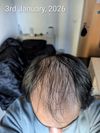
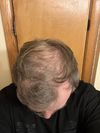
The conversation discusses using topical dutasteride with a dermapen for hair loss treatment. The user is deciding between liposomal and mesosomal formulations for this purpose.
User used topical minoxidil 5% with 0.1% finasteride twice daily, oral minoxidil 2.5mg, and finasteride 1mg daily, along with a hair multivitamin and weekly derma rolling. They missed the medication 3-4 times but still saw significant progress.
Sapphire FUE uses sapphire-tipped blades for more precise incisions, but the surgeon's skill and overall procedure management are more crucial for success than the blade type. Both Sapphire and Standard FUE can yield similar results, with recovery influenced more by individual factors and aftercare than the blade used.
Low-Butterscotch-608's progress in treating their hair loss with finasteride and minoxidil over the course of two years, as well as opinions on whether they should consider a hair transplant to address further receding. Replies included advice about adding microneedling to the protocol.
A 33-year-old is using topical minoxidil, oral finasteride (1mg), a derma pen, and 0.05% tretinoin on the hairline to treat hair loss, showing progress after 2 months. They apply tretinoin in the evening with minoxidil and use a derma pen once a week at 1.5mm.
A user shared their satisfaction with a hair transplant done by Dr. Jimmy Cortez at Capilar Hair Center, but others in the conversation questioned the authenticity of the results, suspecting the use of hair fibers and deceptive advertising. Some found the hairline natural-looking, while others criticized it as artificial or unnecessary.
A 30-year-old shared their successful hair restoration journey using a combination of liposomal topical finasteride and minoxidil, vitamins, and a second hair transplant in Greece, resulting in life-changing improvements without side effects. The user emphasized the importance of proper research for hair transplant clinics and expressed gratitude for finding an effective treatment protocol.
The post is about a user sharing progress pictures of their hair loss, comparing the appearance of their crown before and after using finasteride for 1 week to 4 months. The user also mentions using minoxidil and starting microneedling.
The user has high DHT levels despite using dutasteride, which may not be effective due to potential damage or spoilage. They are considering a hair transplant if DHT levels don't decrease after two years.
The conversation is about analyzing receded temple closeups for signs of fibrosis, scarring, or androgenetic alopecia (AGA). Specific treatments like Minoxidil, finasteride, or RU58841 are not mentioned in the conversation.
A 20-year-old shared progress pictures after 2 years of using oral finasteride and oral minoxidil for hair loss. Responses included admiration and requests for more details and updates.
A user shared their hair loss journey, detailing two hair transplants and various treatments including finasteride, minoxidil, PRP, and exosomes. They found success with a regimen of topical dutasteride, minoxidil, derma stamping, and caffeine shampoo, leading to improved hair growth and satisfaction.
A 19-year-old is experiencing diffuse thinning and has been on finasteride for 6 months, noticing a slower but still concerning rate of hair loss. They started taking 0.5mg of dutasteride once a week in addition to 1.25mg of finasteride on other days and are seeking advice on this treatment approach.
A 21-year-old male has been using minoxidil for 7 months but notices worsening hair loss, including increased visibility of the crown, overall thinning, and a receding hairline. He previously used finasteride and is considering restarting it, questioning if long-term shedding is normal and when to expect results.
A 21-year-old has been using daily oral finasteride, minoxidil, biotin, and vitamins since January 2026 for hair loss, adding topical treatments and microneedling in May. They observed initial shedding and scalp issues but noted significant progress after adjusting their routine.
The user is pleased with increased hair density and thickness after six months of using topical minoxidil and finasteride. They plan to continue the treatment and consider adding dermarolling for potentially better results.
The conversation is about personal experiences with Sonsuk Topical Finasteride, Minoxidil, and Tretinoin for hair loss. The original poster is seeking feedback after three weeks of use due to a lack of reviews.
An 18-year-old is using minoxidil, finasteride, and tretinoin for hair loss, with concerns about uneven temple progress. They have been on minoxidil for 3.5 months and finasteride for 2 months.
Body hair transplants can be a last resort for hair loss, using body hair to fill scalp gaps, though it may not match scalp hair in texture or length. Minoxidil and finasteride are discussed as treatments, with varying effectiveness and side effects.
A 37-year-old male started a hair loss treatment 7 weeks ago using 1mg finasteride, 1.5mg minoxidil, and microneedling, with noticeable coverage improvement except for the right temple. He is considering a hair transplant in the future if needed.
PP405 shows initial promise for treating androgenetic alopecia, with safety confirmed in early trials, but skepticism remains due to limited data. Further trials are needed to determine its true efficacy and potential market impact.
A 24-year-old woman with hair loss due to anemia and possibly thyroid issues is undergoing mesotherapy, which was only applied to the top of her head. She is considering minoxidil and is concerned about the effectiveness of the treatment, as her hair loss is not related to hormonal factors.
A 37-year-old man shared his 1.5-year progress using finasteride and supplements for hair loss, planning a hair transplant for further restoration. Commenters noticed significant improvement in hair quality and density from his treatment.
A 24-year-old male is considering a hair transplant after unsuccessful attempts with oral minoxidil, topical finasteride, ketoconazole shampoo, and lifestyle changes. He believes smoking and caffeine may worsen his hair loss and is looking into hair fibers for temporary coverage.
A 23-year-old is considering using a topical solution of Finjuve (finasteride and minoxidil) at a reduced dosage of 0.2/0.4mg to treat crown thinning while minimizing side effects. Applying 0.1-0.2 mL is suggested to lower systemic absorption and effectively reduce DHT on the scalp.
A 49-year-old is documenting their hair regrowth journey using tretinoin cream, minoxidil foam, and finasteride. They report thicker hair and improved confidence, though progress feels slow and mentally challenging.
The conversation discusses the effectiveness and side effects of DUT mesotherapy for hair loss. Users are seeking evidence and pictures of successful treatments.
A 37-year-old male stopped using finasteride and minoxidil due to side effects and switched to derma rolling, scalp massaging, and Revita shampoo, resulting in thicker, healthier hair with new growth. Users discuss the effectiveness of mechanical scalp stimulation, with some sharing similar positive experiences and others expressing skepticism.