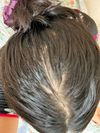
A 21-year-old expresses feeling alone and invalidated in his struggle with hair loss, seeking empathy from others. Some users share similar feelings, while one mentions making progress with dutasteride and minoxidil treatments and considering a hair transplant.
A 22-year-old is experiencing hair loss, particularly fuzzy hair in the front, and is concerned about male pattern baldness. Treatments mentioned include Propecia (finasteride), minoxidil, PRP treatments, dermarolling, peppermint oil, and apple cider vinegar.
The user is considering switching to topical finasteride or pyrilutamide to stabilize hair loss before a hair transplant, currently using oral minoxidil and finasteride. Suggestions include sticking to the current regimen as it is already potent, and caution against using pyrilutamide from unreliable sources.
Tretinoin can cause non-telogen hair loss in some men by inducing catagen-like changes in hair follicles and through retinoid toxicity, especially when used with minoxidil. Some users report hair loss even when using retinoids on the face, while others experience benefits when combined with treatments like finasteride and minoxidil.
A user experienced no hair regrowth after using oral minoxidil, topical finasteride, minoxidil, and tretinoin, and reported side effects from oral finasteride. They are considering switching to dutasteride or using hair fibers for better results.
A user shared their experience with hair transplant scab removal, noting that most scabs came off easily without bleeding by using oil and shampoo. They sought advice on whether any hair was lost during the process, and others reassured them that no hair was lost and to trust the healing process.
A user with frizzy transplanted hair is considering a keratin treatment after 10 months and is concerned about its safety and potential to accelerate hair loss or cause telogen effluvium. They are seeking advice on whether it is safe to proceed with the treatment.
The user is unsure if their hair thinning is due to fungal infection/inflammation or genetic factors and is hesitant to start Minoxidil, finasteride, and RU58841. They are currently using Ketoconazole 2% and triamcinolone acetonide and are concerned about potential side effects from other medications.
User tried dutasteride, topical finasteride, oral minox, dermawounding, saw palmetto, pumpkin seed oil, and ketacozonole for hair loss. Improvement was temporary, now trying RU58841 and seeking help.
Hair appearance fluctuates due to factors like styling, product buildup, and humidity, causing frustration for those with diffuse thinning. Treatments mentioned include minoxidil, finasteride, ketoconazole shampoo, and RU58841, with mixed results.
A 24-year-old woman with AGA and TE since age 14 is questioning if her hair is regrowing or breaking. She has been using minoxidil consistently since September 2025, along with caffeine and ketoconazole shampoos, rosemary oil, and saw palmetto, and has improved her overall hair care routine.
The user feels treated better with a comb-over than when bald due to cancer. They are considering a hair transplant and using finasteride and minoxidil for hair loss.
A user shared their experience with hair loss, showing a shaved/buzzed look. Replies praised their appearance and discussed treatments like minoxidil, finasteride, dutasteride, and oral minoxidil.
Balding is challenging, and relying on medications like finasteride is often seen as a better option than constantly shaving or trying to compensate in other areas. Many feel that societal expectations to "own it" or drastically change oneself to cope with baldness are unrealistic and burdensome.
A blood cancer survivor in remission since 2022 is experiencing thin and patchy hair after chemotherapy and is using Minoxidil without much success. They are seeking personal experiences and advice on hair transplants after cancer treatment.
The user is experiencing severe hair thinning and is using multiple treatments including topical finasteride, minoxidil, tretinoin, latanoprost, oral minoxidil, dutasteride, saw palmetto, and derma wounding. They are considering adding RU58841 and are contemplating a hair transplant and exosomes due to frustration with current results.
A person experienced hair regrowth after reducing testosterone levels and using saw palmetto tincture and Alpecin shampoo. Other users suggested treatments like Nizoral shampoo, Aldactone, and supplements for hair loss.
A 22-year-old is using finasteride, minoxidil, and biotin to regrow hair after shaving it off due to a bad haircut. They are open to staying bald if the treatment doesn't work and are not considering a hair transplant due to cost.
The user believes Retrograde Alopecia may be linked to vitamin imbalances, specifically from taking too much Vitamin E, A, Zinc, and Selenium, and suggests it could be a middle ground between Androgenic Alopecia and Telogen Effluvium. Treatments for hair loss mentioned include Androgen inhibitors and improving lifestyle factors like nutrition and sleep, with topical melatonin also recommended for Retrograde Alopecia.
The conversation discusses the scalp tension theory as a potential factor in hair loss, alongside DHT, inflammation, and other mechanisms. Treatments mentioned include finasteride, minoxidil, and botox injections, with some users exploring additional methods due to varying effectiveness.
A user shared their experience with male pattern baldness and accepting baldness after shaving their head at age 29. Some responses suggest treatments like minoxidil and finasteride, while others discuss acceptance and personal experiences with hair loss.
A user's experience with hair loss, their attempts to treat it using topical minoxidil and finasteride, and other suggested treatments such as oral minoxidil and finasteride. Replies included advice against wasting time or money on scalp massages or oils.
A user experienced extreme hair growth on their hairline and temples using natural remedies like onion juice, nail rubbing, more veggies and fruits, less carbs, jojoba oil, and dermarolling. They did not use Minoxidil, finasteride, or any prescription drugs.
A person shared their hair transplant experience, mentioning complications like excessive bleeding and density anxiety, and is using finasteride and minoxidil chewables. They traveled to Turkey for the procedure, paid around $3800, and are considering Mexico for future treatments; nicotine use is a concern for their recovery.
The conversation is a satirical discussion about a baby with hair loss using adult hair loss treatments like finasteride, minoxidil, and ketoconazole, as well as dermarolling, scalp massages, and plans for PRP sessions. Suggestions include various other treatments and humorous advice, reflecting the satire of the situation.
The user underwent a hair transplant with 2800 grafts and used a topical treatment containing minoxidil. They also had scalp micropigmentation (SMP) to enhance the results, which cost $15,000 for the surgery and $1,500 for SMP sessions.
User noticed beard and sideburn hair loss, and thinning eyebrows, diagnosed with alopecia barbae and male pattern baldness, and prescribed Desonide cream. User seeks feedback on Desonide cream.
A user shared a 9-month hair recovery journey from androgenic alopecia using 1 mg finasteride daily, 5% minoxidil twice daily, and weekly dermarolling with a 1.5 mm roller. Some responders were skeptical about the authenticity of the results, while others confirmed the consistency of the user's appearance and supported the effectiveness of the treatment.
The conversation is about a hair loss treatment protocol involving microneedling, finasteride, RU58841, minoxidil, ketoconazole shampoo, and a scalp massager with oils. Some users advise starting with fewer treatments like finasteride, minoxidil, and microneedling to avoid potential side effects.