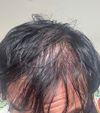
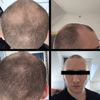
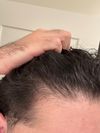
Why androgenic alopecia affects the scalp rather than other body parts, potential explanations for this phenomenon, treatments available to combat hair loss, and the implications of male attractiveness in modern society.
An 18-year-old noticed hairline retreat at 17.5 and is seeking advice on whether to accept baldness or try treatments like Minoxidil, finasteride, or RU58841. They are concerned about safety and effectiveness at their age.
A user is experiencing severe hair loss, diagnosed with seborrheic dermatitis, and is using Ketoconazole and beclomethasone. They are concerned about potential female pattern baldness and are seeking reassurance and advice.
COVID and COVID vaccination can trigger hair loss, primarily telogen effluvium, due to stress and immune system activation. Proper diagnosis and addressing factors like nutrition and stress are crucial for recovery.
Treating Seborrheic Dermatitis, a fungal scalp condition which can cause hair loss. Treatments discussed include antifungal shampoos, cold showers, exfoliating the scalp, taking Vitamin D, and stimulating the prostate through the anus.
An 18-year-old diagnosed with male pattern baldness is using probiotics, saw palmetto, pumpkin seed oil, soy isoflavones, biotin, fish oil, quercetin, a multivitamin, and ketoconazole shampoo. Replies suggest these methods are ineffective and recommend finasteride, minoxidil, and a derma roller.
The user is concerned about hair loss and is considering treatments like finasteride and minoxidil but is unsure about their effectiveness and side effects. They have experienced mixed reactions to shaving their head and are struggling with confidence due to balding.
A 36-year-old is concerned about early hairline recession despite no family history of hair loss. They are considering treatments like finasteride, minoxidil, and ketoconazole shampoo but are worried about potential side effects and are seeking natural alternatives.
Hair loss significantly impacts self-perception and attractiveness, with treatments like finasteride, minoxidil, and hair transplants suggested. The conversation highlights the emotional struggle and societal perceptions tied to hair loss.
The user noticed increased hair loss over the past three years and is seeking advice. A suggestion was made to consult a dermatologist or trichologist and consider blood tests, particularly for vitamin D levels, to address potential androgenetic alopecia (AGA).
The conversation is about hair loss and the conclusion is that genetics play a significant role in hair loss, and lifestyle choices or being a well-adjusted person do not prevent male pattern baldness.
The user shared their 10-year hair loss journey, discussing treatments like oral minoxidil, oral finasteride, and LLLT, and ultimately deciding on a hair transplant. They also explored the possibility of having alopecia areata incognita and advised seeking multiple opinions before surgery.
Hair fibers impressively cover bald spots, boosting confidence. User started big 3 treatment (0.5mg fin, 1 time minoxidil 5% topical, ketoconazole 2%) for regrowth.
A 51-year-old shared progress on hair regrowth using topical Minoxidil and Finasteride over four months, noting significant improvement and plans for future hair transplants. The user emphasized the benefits of modern treatments and societal changes in attitudes towards hair loss.
The user is experiencing severe hair shedding while on finasteride and plans to start using ketoconazole shampoo to address a greasy, waxy scalp buildup. They are seeking additional advice for managing hair loss.
After a hair transplant, the user noticed unexpected new hair growth without using medications or vitamins. Many advised starting treatments like minoxidil and finasteride to maintain the results and prevent future hair loss.
The conversation humorously discusses hair loss treatments, including Minoxidil, finasteride, and RU58841, and debates the merits of being bald versus using hair systems. Opinions vary on confidence and attractiveness related to baldness and hair systems.
A person experienced hair loss due to a crash diet and is now seeking advice on recovery, including dietary changes and potential treatments like biotin and pumpkin seed oil. They are concerned about nutrient deficiencies and considering a dermatologist visit for further guidance.
Hair loss and the various treatments available, including finasteride, minoxidil, dutasteride, dermarolling, RU58841, mesotherapy, Rogaine, and scalp massages. The discussion also includes regret for not starting treatment earlier and advice to start early in order to avoid further balding.
The user is concerned about hair loss despite using finasteride and dutasteride, with no regrowth but stabilized loss. After a recent hair transplant, they are experiencing shedding and are unsure if it's due to shock loss or ineffective treatment.
Fit individuals often have full heads of hair, possibly due to lifestyle factors like exercise and diet, while those who are less fit tend to experience more hair loss. Some fit individuals may also use treatments like finasteride and minoxidil to maintain their hair.
The conversation is about the mental toll of hair loss and seeking alternatives to finasteride. Suggestions include using minoxidil, considering pumpkin seed oil, and possibly seeking counseling for body dysmorphic disorder.
The user "Mysterious_Aspect364" shared their progress with hair loss treatments. They have been using finasteride and minoxidil for a year and six months respectively. The replies mostly congratulate the user on their progress and suggest using a dermaroller with 1.0 needles on the hairline combined with minoxidil.
The user is experiencing aggressive hair loss since their teens and has tried finasteride, topical minoxidil, dutasteride, and oral minoxidil without success in halting the hair loss. They are seeking advice on how to stop it.
A user shared their experience with a beard-to-scalp hair transplant, noting no visible scars and improved hair density using finasteride and minoxidil. The conversation discusses the differences between beard and scalp hair, potential changes in hair texture, and the use of beard hair for increased scalp coverage.
The conversation discusses a hair loss treatment regimen involving finasteride, dutasteride, spironolactone, bicalutamide, oral estradiol, microneedling, and minoxidil. The regimen aims to reduce androgenic alopecia by blocking DHT and androgens, with a caution about potential feminizing effects.
A 19-year-old is experiencing hair thinning and recession above the temples, causing stress and consideration of starting finasteride despite financial constraints. They are unsure whether to begin treatment immediately or wait to assess the situation further.
The conversation discusses using Botox to treat male pattern baldness, suggesting it may promote hair growth by increasing scalp blood flow and oxygen, reducing dihydrotestosterone levels. The user wonders why this treatment is not widely discussed or if it has been discredited.
Hopeful treatments for hair loss, including Verteporfin, Androgen Receptor Degradation, and SCUBE3. These treatments offer potential solutions to slow or stop the effects of androgens on the scalp.