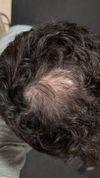
A 27-year-old male experienced rapid hair loss after dengue fever, which activated a balding gene. The doctor suggested platelet-rich plasma treatment for hair regrowth.
The user is experiencing hair thinning on the sides and back of the head while the top remains thick. A reply suggests it might be retrograde alopecia.
The user is considering a second hair transplant or scalp micropigmentation to address thinning in the crown area and hide scars from a previous transplant. They have been using finasteride and minoxidil for three years but are concerned about the appearance of their donor area and the effectiveness of scalp micropigmentation.
The reduction in scalp oiliness is likely due to finasteride reducing DHT levels and the use of ketoconazole shampoo. The combination of these treatments may have decreased sebum production.
OP struggles with scalp flakes causing hair loss and has tried Selsun Blue, Ketoconazole, and ZPT Shampoo without success. Suggestions include using salicylic acid shampoo, shaving the head, using Nizoral, and combining treatments like Minoxidil and finasteride.
The user has been using Minoxidil, finasteride, and a dermaroller for a year with little effect on hair loss. They are considering a hair transplant and are questioning the number of grafts needed and the feasibility of transplanting onto a partially bald scalp.
The conversation discusses hair regrowth after a health condition, with the appearance of white substance on the scalp. Suggestions include it being sebum or White Piedra, with a recommendation to try Nizoral.
A person shared their hair transplant experience, mentioning complications like excessive bleeding and density anxiety, and is using finasteride and minoxidil chewables. They traveled to Turkey for the procedure, paid around $3800, and are considering Mexico for future treatments; nicotine use is a concern for their recovery.
The user is experiencing severe hair loss and color change despite low testosterone levels and healthy lifestyle changes. They have tried ketoconazole shampoo and consulted a dermatologist, who found no scalp issues but suggested using Toppik for coverage.
A 78-year-old man regrew hair after suffering burns, suggesting that injury-induced healing processes might trigger hair growth. Microneedling and other treatments like minoxidil and finasteride are discussed as potential methods to stimulate similar regrowth.
Switching from finasteride to dutasteride worsened hair loss and caused a burning sensation. Users suggest sticking with finasteride, using ketoconazole shampoo, and consulting a dermatologist.
A 28 year old male experiencing diffuse thinning, chronic dandruff and scalp crust (seborrheic dermatitis), with replies discussing the use of topical fin for hormone imbalances and Nizoral for seb derm.
Scalp biopsies are crucial for diagnosing hair loss conditions like Diffuse Unpatterned Alopecia (DUPA) and retrograde hair loss, as treatments like finasteride and dutasteride may not be effective if other conditions are present. Combining PPAR-GAMMA agonists with retinoids could improve treatments for conditions like Lichen Planopilaris.
An 18-year-old shaved his head due to hair loss and feels relieved, despite using Minoxidil and Finasteride without success. Many suggest seeing a dermatologist as the hair loss pattern doesn't resemble typical male pattern baldness, and some recommend trying Ketoconazole.
A person with a full head of hair chose to laser it off, sparking disbelief and discussions about hair loss treatments like Minoxidil and Finasteride. Many users questioned the decision, suggesting it might be a troll post or an extreme reaction to balding concerns.
A user solved their 15-year scalp inflammation and related hair loss using Selenium Sulfide shampoo (Selsun Blue), noticing improvement after the first use and resolution after three uses. Others found relief with Ketoconazole shampoo, which also helps with hair loss.
The user experienced increased hair loss and scalp itchiness despite using finasteride and plans to resume minoxidil and start microneedling. They are considering using clay, Aveda thickening tonic, and a beanie to manage the appearance of thinning hair.
The user has scheduled a hair transplant after stabilizing hair loss with finasteride and minoxidil, considering additional dermarolling. They are advised to use 2500-3000 grafts conservatively for temple filling without lowering the hairline too much.
A 21-year-old experiencing itchy and burning scalp with hair loss was diagnosed with MPB and scalp inflammation. They were prescribed Ketoconazole, Prednisone, Clindamycin, and Finasteride, and are considering trying antihistamines, dietary changes, and "nopoo" to alleviate symptoms.
A user shared their hair restoration journey using oral and topical finasteride, experiencing side effects with the former. They later switched to microneedling, scalp massages, and vitamins (D3, Zinc, Biotin, B complex, Vitamin E) with mixed feedback on progress.
The user experienced severe scalp issues and hair loss after using ketoconazole shampoo, which worsened despite various treatments. They seek advice on restoring scalp health, suspecting an allergic reaction or imbalance caused by the shampoo.
Inflammation on the scalp can hinder hair regrowth and the effectiveness of treatments. The user is using ketoconazole shampoo, Selsun Blue, finasteride, and oral minoxidil.
A user with diffuse thinning noticed stubble-like hairs on their scalp after using 2% ketoconazole shampoo, dermarolling, castor oil, Vitamin D3, biotin, and iron supplements. They are unsure if this indicates regrowth or miniaturized hairs.
Lichen Planopilaris (LPP), a form of permanent hair loss, which can be mistaken for seborrheic dermatitis and is characterized by scalp itching, burning, redness, and dandruff. Treatment options discussed include steroidal creams, finasteride, minoxidil, and RU58841.
A 27-year-old male is using a minoxidil and finasteride spray for hairline recession and is considering other treatments like oral minoxidil, exosomes, PRP, or a hair transplant. Suggestions include microneedling, possibly with tretinoin, while another user suggests the hairline is fine and mentions body dysmorphia.
Vitamin E and K deficiencies due to exocrine pancreatic insufficiency may affect hair growth. A scalp biopsy is recommended to check for autoimmune-related hair loss.
A 31-year-old has been using finasteride, dutasteride, and oral minoxidil for hair loss. They noticed a sudden triangular thinning patch on their scalp and are seeking advice, questioning if it could be medication-related.
Baldness is often preventable with treatments like dutasteride, oral minoxidil, or finasteride. Many people fail to address it due to misinformation or lack of commitment.
A 26-year-old is experiencing hair thinning and has received conflicting diagnoses of androgenetic alopecia and telogen effluvium. They are considering treatments like dutasteride, oral and topical minoxidil, and are unsure whether to start treatment or pursue further diagnosis like a scalp biopsy.
A 24-year-old male experienced side effects like low libido and ED after starting finasteride post-hair transplant and is seeking alternatives to reduce scalp DHT. Suggestions include topical finasteride, Xpecia, DHT-reducing shampoos, and switching to dutasteride, with some users reporting fewer side effects with these alternatives.