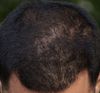
Finasteride worked better for frontal scalp hair loss, while dutasteride helped the crown and mid-scalp but worsened the frontal area. The user shared personal experiences and invited open dialogue.
The user is experiencing a strange hair loss pattern despite using dutasteride for 3 years and minoxidil with tretinoin for 1.5 years. They recently added microneedling and are considering a scalp biopsy to understand the cause.
A 25-year-old male experienced significant hair loss due to telogen effluvium and androgenetic alopecia. He began using finasteride, minoxidil, and vitamins, seeing some regrowth but remains worried about hair density.
A user shared their experience with a hair transplant, emphasizing the importance of avoiding caffeine 7 days before the procedure. Ignoring this advice led to reduced effectiveness of the numbing agent, causing significant discomfort during the transplant.
The user noticed hair thinning since age 15, initially attributed to a Vitamin D deficiency. They are currently using Rogaine and considering Propecia but are hesitant about a scalp biopsy; they seek financially practical treatments for male-pattern baldness.
A user is very satisfied with their hair transplant results, despite choosing a straight hairline against the doctor's advice for a more natural look. Some commenters think the hairline looks artificial, while others discuss the importance of a natural-looking hairline and inquire about any medications used post-transplant.
The post and conversation are about hair transplant tips and experiences. The user emphasizes thorough planning, essential packing, and post-surgery care, and regrets not using finasteride earlier.
A man in his thirties found increased confidence after shaving his head, despite years of hair loss. Others discussed using treatments like finasteride, minoxidil, and hair transplants, with mixed opinions on their effectiveness.
A 22-year-old experiencing hair loss since age 16 is seeking advice after stopping finasteride due to side effects, despite its effectiveness, and is currently using minoxidil and taking vitamin D supplements. They are concerned about their receding hairline and are considering whether to continue treatments or shave their head.
The user experienced severe hair loss, itchy scalp, and skin issues after trying no-shampoo, and wonders if it's male pattern baldness or an immune issue. They have a history of eczema, dermatitis, and jock itch, and have tried various treatments like coconut oil, peppermint, pumpkin seed, and onion.
A user shared their positive experience with a hair transplant performed by Dr. Timothy Carman, using 1100 grafts via FUT surgery, and reported satisfaction with the results and minimal scarring. The user continues to use minoxidil and finasteride for hair maintenance.
A female user's experience with topical and oral finasteride for hair loss, which has been successful as evidenced by the reduction of miniaturized hairs. Replies to the post discussed the recommended dosage for females versus males.
Finasteride may help stabilize hair loss, but regrowth at the temples is challenging and often requires additional treatments like minoxidil or a hair transplant. Users suggest patience and possibly combining treatments for better results.
A 23-year-old man experiencing hair thinning and a receding hairline is advised to consider treatments like finasteride and minoxidil. Shorter haircuts, such as a buzz cut, may help hair appear thicker, and wearing headphones is unlikely to significantly impact hair loss.
Minoxidil helps hair growth on both scalp and face, but stopping it leads to hair loss on the scalp, not the face. The user questions why scalp hair can't be maintained with finasteride or androgen blockers after stopping minoxidil, despite these treatments reducing DHT damage.
A 20-year-old is experiencing hair loss and is using finasteride, ketoconazole, and topical minoxidil. They suspect retrograde alopecia due to hair loss on the sides and nape, despite noticing some hair thickening on top.
A 38-year-old male with stress-induced Telogen Effluvium is seeking advice on using oral finasteride and minoxidil, as well as vitamin regimens, for hair loss. He is considering these treatments after a dermatologist ruled out male pattern baldness and prescribed ketoconazole shampoo.
A 46-year-old man is using minoxidil, finasteride, and derma rolling for hair regrowth but is unsure of the results and considering a hair transplant. Many suggest he looks good bald and recommend continuing treatment or trying scalp micropigmentation.
Younger generations now view receding hairlines as baldness, increasing the use of treatments like minoxidil and finasteride. Social media and changing beauty standards have intensified focus on hairlines, altering perceptions of baldness.
Tretinoin is not commonly linked to hair loss and can enhance the effects of Minoxidil. Users recommend starting with lower doses and gradually increasing to avoid scalp irritation.
COVID and COVID vaccination can trigger hair loss, primarily telogen effluvium, due to stress and immune system activation. Proper diagnosis and addressing factors like nutrition and stress are crucial for recovery.
The conversation discusses the use of Dutasteride scalp injections (mesotherapy) for hair loss. Users are sharing their experiences and seeking information on its effectiveness.
A 23-year-old has been using minoxidil, finasteride, 2% ketoconazole shampoo, biotin, a multivitamin, and microneedling to address hair loss, noticing baby hairs and a fuller frontal hairline but concerns about a thin right temple. They are considering adding rosemary oil and switching to a 1.5 mm dermastamp for further improvement.
A trans man is experiencing hair loss due to testosterone therapy but is unwilling to stop the treatment despite concerns about using finasteride. The individual is distressed about balding at a young age but acknowledges it is genetic.
The user is experiencing intense hair shedding all over the scalp after applying pyrilutamide to the hairline and taking oral castor oil. They are also using topical finasteride and latanoprost, but are unsure which treatment is causing the shedding.
Low testosterone and estradiol may contribute to hair loss, and blocking DHT without sufficient hormone levels might hinder regrowth. The discussion highlights the importance of hormone balance, with some considering supplements and lifestyle changes to support hair health.
The conversation discusses the emotional impact of early hair loss in men, with many feeling isolated and self-conscious. Some users also mention the lack of awareness about potential treatments like Minoxidil and Finasteride.