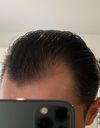
Scalp inflammation can cause hair thinning and may be related to diet, infections, or conditions like psoriasis. Treatments suggested include using Nizoral shampoo and checking vitamin levels.
Botox injections on the scalp may help with hair loss, as one small study showed improvement in 8 out of 10 subjects. Treatments mentioned include Minoxidil, finasteride, and RU58841.
A 25-year-old is experiencing chronic telogen effluvium (TE) and androgenetic alopecia (AGA) after surgery, using finasteride, red light therapy, and supplements, and considering oral minoxidil despite heart concerns. They are unsure whether to start minoxidil before or after an upcoming surgery, which may trigger another hair shed.
Hair loss may be linked to blood flow and inflammation, with treatments like Minoxidil, finasteride, and quercetin being discussed. The conversation also mentions the role of 5AR enzyme distribution in hair follicles.
User suggests rotating scalp 180 degrees to address hair loss. Others discuss sanity, ethics, and similar procedures like scalp reduction and hair transplants.
8 months post hair transplant, OP experiences asymmetrical shedding despite using finasteride and starting minoxidil. The doctor suggests it might correct itself or be due to transplant trauma, recommending a wait-and-see approach.
A woman experienced significant hair loss due to medication, hair coloring, and heat damage, leading her to shave her head and feel distressed. She is considering using wigs and possibly oral minoxidil to manage the situation while her hair regrows.
A person with hair loss since COVID-19 is considering treatments like finasteride and minoxidil but is hesitant due to potential side effects. Suggestions include visiting a dermatologist, using a ketoconazole shampoo, and considering that post-COVID hair loss might be an autoimmune response.
Microneedling does not prevent future hair transplants, but some surgeons report the skin becomes "harder" in treated areas. There is no clear evidence to confirm this effect.
A 28-year-old male is experiencing hair loss, itching, soreness, and numbness on the scalp, with symptoms including dry, brittle hair and scalp irritation. Treatments tried include Nizoral, salt water, various oils, and antihistamines, with limited success; a chemist suggested a possible fungal infection, while a doctor suspected male pattern baldness.
Scalp tension potentially affecting hair loss, and potential treatments for male pattern baldness such as Minoxidil, Finasteride and RU58841. Evidence from a study was discussed which suggests that the cause of MPB lies within the follicle itself and is not dependent on its surrounding environment.
Silicone scalp massagers are claimed to slow or reverse hair loss and improve hair regrowth, with users reporting reduced shedding and scalp tension. Some users also mention using them alongside treatments like minoxidil and finasteride for better results.
The user experienced hair thinning in the middle of their head despite using finasteride and minoxidil and having a hair transplant. They are concerned about the thinning and considering shaving their head, while being advised to continue treatment and manage stress.
A user with seborrheic dermatitis is experiencing bald spots and hair thinning despite changing their diet and taking oral minoxidil. Another user suggests using ketoconazole shampoo properly, using a scalp massager, applying rosemary/peppermint oil, keeping hair short, and taking fish oil to improve scalp health.
A user is considering a hair transplant in a "mohawk" pattern with scalp micropigmentation (SMP) on the sides and back, questioning its feasibility and appearance. Others discuss donor region quality, potential scarring, and alternative treatments like dutasteride and RU58841.
Excessive scalp sebum, worsened by DHT, can lead to inflammation and hair loss, with clascoterone mentioned as a treatment. Diet changes seem ineffective for scalp sebum, and treatments like minoxidil and finasteride are suggested.
The user experienced initial hair density improvement with finasteride, but later felt scalp pain and a plateau in results. They added alfatradiol for scalp inflammation and divi scalp serum to their routine, and are curious if others have similar experiences.
The conversation is about scalp massages for hair loss, with skepticism from users who suggest using finasteride, dutasteride, and minoxidil instead. Users report no success with scalp massages and consider it a scam.
Scalp massages have mixed reviews for hair loss; some users report reduced shedding and healthier hair, while others see no benefit or worsening conditions. Many prefer proven treatments like minoxidil, finasteride, and dutasteride over massages.
Topical tretinoin applied to the face may exacerbate hair loss in some individuals, potentially triggering conditions like frontal fibrosing alopecia. Experiences vary, with some users reporting no impact on hair, while others experience significant hair loss.
A user shared their experience with a beard-to-scalp hair transplant, noting no visible scars and improved hair density using finasteride and minoxidil. The conversation discusses the differences between beard and scalp hair, potential changes in hair texture, and the use of beard hair for increased scalp coverage.
A dental technician claims malocclusion causes pattern hair loss due to poor scalp circulation. Users debate this, noting treatments like finasteride, minoxidil, and microneedling focus on DHT and blood flow.
The conversation discusses a user's experiment with using hot water and a dermastamp to reduce hair loss, improve dandruff, and promote new hair growth. The user advises caution and mentions not sharing photos until more progress is visible.
After suffering from hair loss and trying various treatments like finasteride, minoxidil, RU58841, and scalp micropigmentation without lasting success, the individual found freedom and a renewed sense of self by shaving their head and accepting their baldness. They encourage others struggling with hair loss to not waste years searching for a cure and to consider embracing a shaved head as a positive solution.
White spots on a bald scalp, likely tinea versicolor, can be treated with ketoconazole or selenium sulfide shampoos like Selsun Blue. Consulting a dermatologist is recommended for proper diagnosis and treatment.
A 32-year-old male with diffuse thinning and seborrheic dermatitis has been using finasteride for 8 months without improvement. He is considering COQ10 + PQQ supplements for scalp inflammation and hair loss.
The user is experiencing severe hair shedding while on finasteride and plans to start using ketoconazole shampoo to address a greasy, waxy scalp buildup. They are seeking additional advice for managing hair loss.