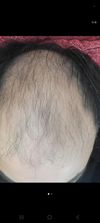
A user's progress with treating their hair loss, which consists of using Dutasteride, RU58841, Stemoxydine and Tretinoin 0.05% over the past three months.
OP is using 0.5mg dutasteride, 5mg biotin, 5% topical minoxidil twice daily, and dermarolling 1-2 times a week for hair loss. OP reports no side effects and is happy with the progress after 5 months.
The conversation is about finding a source for sterile dutasteride for mesotherapy to avoid side effects from oral 5AR blockers. The user is currently using microneedling and 0.01% topical dutasteride and plans to use transplants.
The user is considering PRP with exosomes for hair loss after oral minoxidil and dutasteride failed to provide desired results. Despite suggestions for a hair transplant, the user is hesitant due to cost and complexity, and is unsure about other options.
A product called HairMDL includes Minoxidil, Dutasteride, Latanoprost, caffeine, Tretinoin, and Triamcinolone. Users are curious about its effectiveness and safety, particularly regarding the topical steroid Triamcinolone.
The conversation discusses a last-resort hair loss treatment combining topical finasteride, minoxidil, melatonin, and progesterone, with claims that topical finasteride can inhibit up to 52% of scalp DHT. One reply clarifies that progesterone is not an anti-androgen but has anti-androgenic properties because it competes with androgens for receptors.
The user is using finasteride 1mg every other day and seeks a topical solution to complement it, excluding minoxidil. They are considering various combinations of ingredients like finasteride, dutasteride, and tofacitinib, with options for nourishing oils and other additives.
PP405 shows promise for hair growth with significant results after 4 weeks, but skepticism exists due to its unavailability. Some users are hopeful for its potential, while others express concerns about side effects and market release delays.
An 18-year-old male stopped using finasteride due to side effects and plans to start topical dutasteride, considering it a potential solution with fewer side effects. He continues using minoxidil despite no noticeable results and is exploring other treatments like RU58841.
The user is considering using dutasteride 0.5 mg daily for hair loss and is contemplating a hair transplant after a year. They are seeking opinions on progress and potential outcomes.
The conversation discusses using a 0.03% topical Dutasteride solution for hair loss, as it may be more effective than Finasteride with fewer systemic side effects. OP plans to apply it daily for 100 days, then reduce frequency, due to past negative cognitive effects from oral treatments.
A 38-year-old woman has been using oral Dutasteride for a year without improvement and is now adding a topical solution containing Minoxidil, Dutasteride, Tretinoin, Ketoconazole, and Hydrocortisone. She is seeking advice on whether switching from oral to topical Dutasteride could prevent hair shedding.
The user plans to improve hair density using Koshine, Avodart (1.5-2.5mg daily), and 5mg OM daily. They previously used finasteride, minoxidil, dutasteride, and fluridil with some improvement.
Hair loss treatments, including PP405, minoxidil, finasteride, and RU58841, with hopes for future solutions. Participants discuss the emotional impact of hair loss and consider alternatives like hair transplants or acceptance.
PP405 is a potential new hair loss treatment that works through metabolic pathways rather than hormonal ones, with an estimated market release between late 2027 and 2029. Current alternatives to finasteride include minoxidil, pyralutamide, fluridil, and RU58841, with hair transplants also being a viable option.
Concerns about the potential high cost of new hair loss treatments, pp405 and gt20029, were discussed, with some users willing to pay a premium if they are effective. Alternatives like finasteride and minoxidil are mentioned as current, more affordable options, and there is speculation about future generic versions and black market availability.
A user is seeking a pharmacy to compound a topical solution containing Minoxidil, Finasteride, Alfatradiol, Melatonin, Latanoprost, and either RU58841 or Pyrilutamide. They prefer a professional compounding lab over DIY methods.
The user is considering increasing their dutasteride dose and trying clascoterone or RU58841 for hair loss stabilization. They have used finasteride, minoxidil, and dutasteride, with some success but recent setbacks.
The conversation is about a topical spray containing finasteride, minoxidil, and tretinoin, with users discussing its effectiveness compared to more established brands. One user mentions using a product with 5% minoxidil, 0.15% finasteride, and 0.15% tretinoin.
A new product, a retinoic acid solution (0.3%), is available to enhance minoxidil products like Rogaine and Kirkland by converting them into a tretinoin-containing solution for improved hair loss treatment. One unit of the product is enough for a year's supply.
User plans to switch from oral to .005% topical finasteride, using a solvent from minoxidilmax and later Essengen-F. They will monitor DHT levels and seek advice on solvents and sleep caps.
The user shared progress on hair regrowth using oral dutasteride, oral minoxidil, and verteporfin procedures. They reported some regrowth after 6-9 months of treatment.
The user struggles to cover their entire scalp with 1 ml of RU58841 while using dutasteride and oral minoxidil for hair loss. Suggestions include using a syringe for precise application, applying twice daily, and considering the use of more than 1 ml to ensure full coverage.
PP405 is a potential hair loss treatment that may activate dormant hair follicles, but there are concerns about its effectiveness, cost, and side effects. Users discuss treatments like minoxidil, finasteride, and RU58841, expressing skepticism about PP405's long-term success and accessibility.
Dr. Bloxham's 9-month update on FUT scar revision with Verteporfin shows promising results. Excitement is high for FUE, which appears highly effective based on Dr. Barghouthi's findings.
PP405 is in phase 2 trials for hair loss, with discussions on its cost and effectiveness compared to minoxidil and finasteride. Users are skeptical about its efficacy and timeline, with hopes for market release by 2027.