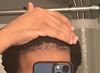
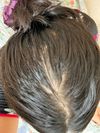
The user feels treated better with a comb-over than when bald due to cancer. They are considering a hair transplant and using finasteride and minoxidil for hair loss.
The user shared their 12-month hair regrowth progress using 1mg finasteride, 5mg oral minoxidil, and topical minoxidil. They also used a derma stamp weekly and treated seborrheic dermatitis with Mometasone and Nizoral.
The user treated traction alopecia for over a year using Nutrafol, rosemary oil, topical and oral Minoxidil, dermarolling, biotin, collagen, and vitamin D, and shared progress photos to inspire others on their hair growth journey. They also acknowledged the community and a specific person for support and encouragement.
A person treated their diffuse alopecia with oral minoxidil (10mg daily), oral finasteride (reduced to 0.25mg daily due to side effects), castor oil, vitamins, and ashwagandha, and plans a hair transplant in Turkey. They stopped using topical minoxidil, have seen improved hair density, but are still experiencing hair loss.
Male androgenetic alopecia is commonly treated with topical minoxidil and oral finasteride, both requiring continuous use. Other options include hair restoration surgery, dutasteride, light therapy, and camouflaging agents.
A user shared their experience with hair loss treatments, including finasteride, minoxidil, and RU58841, which improved their hair from a diffuse NW3 to a solid NW2 - 2.5. They noticed significant changes in how people treated them after regrowing their hair, suggesting that attractiveness can greatly impact social interactions and opportunities.
The user was diagnosed with DUPA and initially treated with finasteride, then switched to dutasteride which worsened their hair loss. They are now returning to finasteride and adding treatments including oral minoxidil, Proscar, Viviscal, pumpkin seed oil, LLLT, and Nizoral shampoo, hoping for hair regrowth.
A 22-year-old is frustrated with friends and family's dismissive attitudes towards hair loss and finds support and hope in an online community. They have not yet treated their hair loss but are considering medications like minoxidil and finasteride.
The post discusses a user's one-year experience using finasteride 1mg daily for hair loss, including initial irregular use, continued shedding of weak hair, acne in the thinning area treated with fusidic acid, and weekly use of Ketoconazole. A reply suggests adding Minoxidil for potentially full hair recovery.
Dr. Bloxham's trial is testing verteporfin on hair transplant patients to see if it can improve hair regrowth in treated areas. People are discussing the potential for follicle regeneration, expected results timeline, and concerns about side effects like cancer.
The user experienced chronic telogen effluvium and mild male pattern baldness, treated with finasteride, oral minoxidil, and later switched to dutasteride, which stopped excessive hair shedding. Other treatments like low-level laser therapy, hair loss shampoos (except ketoconazole), and supplements were ineffective.
A 20-year-old male is frustrated with his dermatologist for refusing to prescribe DHT blockers like finasteride or dutasteride, instead pushing for a hair transplant despite ongoing hair thinning. The user feels dismissed and unreasonably treated, and is advised by another user to find a better dermatologist and consider finasteride or dutasteride for effective treatment.
The user reports that after 4 months of microneedling, 10 months of Minoxidil, 2 years of finasteride, and using ketoconazole 3 times a week, their hair has become less dense in the treated areas. Despite initial shedding and continued treatment, they have not seen improvement and feel their body is resistant to the medications.
Having hair improves social interactions and treatment by others, with hair transplants and finasteride enhancing confidence and attractiveness. People often receive more positive attention after addressing hair loss.
A 22-year-old male has been experiencing widespread hair loss for over four years, including pain and significant shedding. Treatments tried include ketoconazole shampoo, fluocinonide topical solution, biotin, ACV, and dry shampoo, but none have been effective.
A plant-based hair growth serum using Centella shows visible results in less than 2 months with minimal side effects. It is considered a promising alternative to conventional treatments like Minoxidil and finasteride.
HairClone is offering a Dermal Papilla Cell Hair Multiplication procedure in Guatemala, raising questions about its effectiveness and regulatory reasons for the location. Users express skepticism and curiosity about the treatment's success and potential costs.
The user shared their hair regrowth journey, highlighting the use of Minoxidil and Finasteride as main treatments, along with lifestyle changes like changing pillowcases, checking vitamin deficiencies, and maintaining a clean diet. They advised consulting a doctor before starting treatments and noted that results may vary.
A user shared their 7-month progress after a hair transplant, using dutasteride and minoxidil to maintain native hair. The transplant was done in Juarez, Mexico, and the user noted that medication is still necessary to prevent further hair loss.
The user is experiencing hair thinning and plans to use minoxidil and finasteride spray from Hims, while currently using minoxidil foam. They are advised to treat possible seborrheic dermatitis and consider scalp health for hair loss improvement.
Mohamed Salah's hair transformation, possibly involving a hair transplant, has improved his appearance. There is discussion about using finasteride and hair fibers for hair maintenance.
Hair loss treatments Fin and Minoxidil failed for user. Suggested alternatives are 75mg oral spiro and RU58841, but concerns about low testosterone and self-esteem were raised.
A 55-year-old man shared his successful hair transplant results, using 9,100 grafts from his scalp and beard, and is also using minoxidil, finasteride, and multivitamins. The discussion includes opinions on the necessity of DHT blockers and the effectiveness of the transplant, with some users questioning the need for such procedures at an older age.
Hair loss requires proper diagnosis as it can have various causes, and treatments like finasteride, minoxidil, and dutasteride are often used. Many people express frustration with dermatologists and turn to self-research and alternative sources for treatment.
The user is experiencing hair loss, possibly due to androgenetic alopecia and seborrheic dermatitis, and has tried ketoconazole shampoo without success. They are hesitant to use finasteride due to potential side effects and are seeking advice on managing their condition.
Hair systems are a popular solution for hair loss, offering impressive transformations with manageable maintenance and cost. Some users prefer hair systems over medications like Minoxidil or Finasteride, while others express concerns about the permanence and visibility of these systems.
Hair loss impacts mental health and should be covered by healthcare, with treatments like finasteride, dutasteride, and minoxidil being affordable and effective. Some argue hair loss is cosmetic and shouldn't be funded, while others highlight its broader health implications.
Creatine may cause hair loss in some individuals, especially those on finasteride, despite no scientific link. Personal experiences suggest individual sensitivity to DHT could be a factor.
2% fucoidan alleviated AGA symptoms, promoted hair growth, and increased hair density in mice. Fucoidan is considered safe for humans as a supplement and topical skincare product, with potential therapeutic effects against AGA.
Liquid minoxidil makes hair sticky and stiff; users suggest oral minoxidil or minoxidil foam as alternatives. Applying minoxidil four hours before showering can help with absorption.