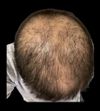
PRP treatment for hair loss shows some evidence of effectiveness, with HT surgeons using it post-op to promote growth. Microneedling is mentioned as a cheaper alternative.
Mixing Nizoral and T-Gel in a 1:1 ratio and using it three times a week provided relief from persistent seborrheic dermatitis. This treatment is recommended for those with stubborn SD.
The user is seeking advice on hair loss treatments, considering options like finasteride, dutasteride, minoxidil, or a hair transplant. They are concerned about how their mixed hair color might affect a transplant.
The user is experiencing hair regrowth using 1mg oral finasteride daily, Minoxidil foam twice a day, and microneedling weekly with a 1.5mm needle. They are seeking feedback and suggestions to optimize their hair regrowth.
The conversation discusses the use of dutasteride for hair regrowth, with the user planning to add topical minoxidil. The user reports improved hair strand quality and beard growth with dutasteride, while noting some side effects compared to finasteride.
A 22-year-old male has been treating hair loss for over three years with various methods including minoxidil, finasteride, dutasteride, and other treatments, but continues to experience hair thinning. Despite trying multiple treatments and consulting with dermatologists and hair surgeons, the individual is frustrated with the ongoing hair loss and lack of progress.
Finasteride can cause gynecomastia, which may be reversible by stopping the drug and using selective estrogen receptor modulators (SERMs) like tamoxifen. Lifestyle changes such as weight loss and avoiding alcohol can also help, but surgery may be needed if the condition persists.
The conversation discusses treating male pattern baldness with topical products containing Saw Palmetto extract. Specific treatments mentioned include Minoxidil, Finasteride, and RU58841.
A topical treatment called 1961, containing multiple products, is discussed for its compatibility with finasteride. It is suggested that 1961 does not negatively affect finasteride's effectiveness and may even enhance its absorption.
A 27-year-old is experiencing rapid hair thinning and is considering starting minoxidil or finasteride but is concerned about their effects and side effects. They seek advice on which treatment to start and appropriate dosages.
A 68-year-old is experiencing increased hair loss despite using Minoxidil and is seeking alternative treatments. Suggestions include considering finasteride or RU58841 as potential options.
A 20-year-old is experiencing a receding hairline and thinning at the crown, using minoxidil 5% for 15 days. It is suggested to continue minoxidil and consider adding finasteride and ketoconazole shampoo for better results.
It's not too late to start hair loss treatment at 40. Consider using a combination of finasteride or dutasteride with minoxidil, and be patient for results.
A 21-year-old experiencing significant hair loss despite using dutasteride, oral minoxidil, ketoconazole shampoo, and low-level laser therapy seeks advice. Suggestions include adding microneedling, checking for vitamin deficiencies or thyroid issues, and considering a scalp biopsy for other conditions.
Treatments for androgenic hair loss, including the use of finasteride, minoxidil, nizroal and microneedling/dermarolling. Side effects are discussed and it is noted that while there are tradeoffs to taking medications, they are generally safe and effective.
The user has been using oral minoxidil, finasteride, and dutasteride for hair loss, along with supplements like arginine and collagen, but has seen no improvement. They also suffer from chronic eczema, which may contribute to hair loss, but it is considered reversible.
The user experiences histamine intolerance with alcohol-based hair loss treatments like Rogaine foam and seeks alternatives. Suggestions include alcohol-free and PPG-free topical minoxidil or finasteride, and trying Spectral products with different solvents.
Treatments for hair loss, including finasteride, dutasteride, minoxidil, ketoconazole, microneedling, and low level laser light therapy, which aim to reduce DHT production, increase cell absorption and blood flow, and stimulate epidermal stem cells. It also stresses the importance of patience when using these treatments.
The user reported healthier, firmer, and thicker hair follicles with minimal regrowth at the front after using Regenera Activa, topical finasteride, minoxidil, tretinoin, caffeine solution, and vitamin D supplements. Hair loss has stabilized with no side effects.
Hair loss treatments that avoid significantly lowering systemic DHT levels, focusing on topical options like dutasteride mesotherapy, minoxidil, and ketoconazole. The user is exploring alternatives like KX-826 and RU58841 due to concerns about hormone levels.
Current treatments for hair loss include finasteride, minoxidil, and derma rolling. New treatments like Breezula, PP405, and others are not expected until at least 2027 or later.
A 34-year-old man started using oral finasteride and topical minoxidil in late August for hair regrowth and noticed significant progress. He shared his results and expressed gratitude, while also mourning his father's recent passing.
A 21-year-old male is experiencing a receding hairline and has tried tea tree oil and hair growth shampoo without success. He is considering products from companies like Hims, Happy Head, and Dermose for treatment.
Sulfur soap may help with hair thickening and reducing scalp inflammation, but it can cause dryness. Nizoral, containing ketoconazole, is noted for its potential to reduce seborrheic dermatitis but may also cause scalp dryness and hair loss.
Fucoidan may help regrow hair and reduce inflammation in androgenetic alopecia. It is unclear if simply mixing fucoidan powder into a serum for application is effective.
The user experienced hair regrowth after 5 months using Minoxidil and PRP treatment. They also took various supplements and adjusted their diet to address deficiencies and support hair health.
A 25-year-old male has been using 5% Minoxidil, 1.25 mg Finasteride, and weekly microneedling for hair loss but sees no improvement after a year. Despite a healthy lifestyle, his hairline continues to recede, and he seeks advice.
The user started using topical finasteride 0.025% and minoxidil 5% for hair loss but is experiencing increased shedding after two months without signs of regrowth. They are seeking advice on when to expect results or consider switching treatments.