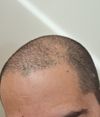
The conversation discusses hair loss treatments, specifically mentioning Minoxidil, finasteride, and RU58841. It also references Epibiotech's hair multiplication and cell therapy as potential solutions.
A user reports significant hair regrowth after 3 months using finasteride, minoxidil, microneedling, Nizoral shampoo, biotin, and vitamins. They apply minoxidil twice daily, dermaroll twice a week, and use Nizoral shampoo twice a week.
The conversation discusses using minoxidil, finasteride, a dermastamp, and botanical oils like peppermint, rosemary, and pumpkin seed oil for hair growth. The user is considering using Alpha Infuse, which combines microneedling with plant oils, to enhance results.
The user shared progress photos of hair regrowth using copper peptides and NAD+ over five months. Another user commented on the lighting, and another praised the progress.
The conversation discusses using minoxidil, finasteride, and multivitamins for hair regrowth, with additional treatments like microneedling and ketoconazole shampoo. Suggestions include continuing treatment, considering oral minoxidil, and possibly getting a hair transplant.
The user experienced hair regrowth using finasteride, minoxidil, biotin, iron, microneedling, and caffeine shampoo over four months. They plan to continue treatment for fuller results by month 6 or 7.
Verteporfin may improve hair transplant outcomes and reduce scarring, potentially allowing patients to avoid finasteride. Dr. Barghouthi seeks collaborations, volunteers, and financial support for research on verteporfin.org.
The user has experienced significant hair regrowth using finasteride, oral minoxidil, microneedling, keto shampoo, an LLLT helmet, vitamins, and supplements. They note progress but hope for further improvement in a specific area.
A user who underwent a hair restoration procedure with 3,478 grafts by Jason Sorgi in Massachusetts, costing $8,500. The user is also using finasteride and minoxidil post-procedure, and is very satisfied with the natural-looking and dense results.
The user shared their 7.5-month post-hair transplant results, mentioning they have been using finasteride and oral minoxidil. The conversation includes mixed reactions, with some users complimenting the results and others critiquing the hairstyle and presentation.
The user is observing potential hair regrowth at day 46 using 1mg oral finasteride, 2.5mg oral minoxidil, 5% topical minoxidil, biotin, vitamin D, fish oil, and weekly dermal rolling. They are optimistic about the results despite skepticism from others.
The conversation discusses how applying topical tretinoin for 5 days can convert 43% of individuals who initially do not respond to minoxidil into responders, enhancing the effect of minoxidil on hair growth. Specific treatments mentioned are minoxidil and tretinoin.
The user experienced significant hair regrowth using 1mg finasteride daily and 5% minoxidil twice a day over 6.5 months, improving from a Norwood 3.5 to a Norwood 2. Despite progress, they still feel their hair is thin, especially at the temples.
The user reports positive progress in hair regrowth using 1mg oral finasteride, 3mg oral minoxidil, biotin, vitamin D, red light therapy, and microneedling. They note thickening at the hairline and some regrowth at the temples.
The user is considering using Tretinoin every other day alongside daily Minoxidil to manage hair loss and is concerned about inconsistent absorption affecting regrowth. They have noticed a significant reduction in shedding but are unsure if it's due to Tretinoin or the end of the Minoxidil/finasteride shedding phase.
A 28-year-old male reported significant hair regrowth after 5 weeks using a regime including Minoxidil, Ketozolin shampoo, microneedling, hyaluronic acid, saw palmetto, pumpkin seed, MSM, frankincense, zinc, multivitamins, and vitamin D. He also noted improvements in digestion, dry eyes, and skin health, and observed beard growth from microneedling.
The conversation discusses exploring new hair loss treatments beyond popular ones like Finasteride, Minoxidil, and Ketoconazole. Specific treatments mentioned include ozone therapy, Dutasteride mesotherapy, RegeneraActiva, microcurrent electrical hair stimulation, Nourkrin, and BioEqua Enercharger.
The user is questioning if their hair is regrowing and considering adding tretinoin to their regimen, which includes minoxidil. They are concerned about male pattern baldness and comparing their current hairline to past photos.
The conversation discusses a hair loss treatment regimen that includes scalp massage, derma rolling, saw palmetto, rosemary, peppermint oil, pumpkin seed oil, and various supplements like vitamins C and D, multivitamins, biotin, collagen, and fish oil. The user is asking if the treatment has led to hair regrowth.
The user shared their 3-month progress using a routine of finasteride, minoxidil, rosemary oil, and supplements, along with microneedling and specific hair care products. They reported no side effects and received positive feedback on their results.
The conversation discusses using Minoxidil combined with Azelaic Acid and Tretinoin to promote beard growth. Specific treatments mentioned are Minoxidil (Min), Azelaic Acid, and Tretinoin.
A 22-year-old is frustrated with ongoing hair loss despite using treatments like topical minoxidil, finasteride, microneedling, oral dutasteride, and oral minoxidil. Their dermatologist suggests treating scalp inflammation with oral tretinoin and using exosomes for alopecia.
The user experienced significant hair regrowth using finasteride (1.25mg daily) and minoxidil (topical and oral) with occasional microneedling. They noted increased libido as a side effect during the first six months.
OP is seeking advice on which percentage of tretinoin to use to enhance the effectiveness of minoxidil for hair loss. They are unsure about choosing between 0.1%, 0.025%, or 0.05% tretinoin.
The user is considering a hair transplant to increase hair density after using finasteride and minoxidil for two years. They prefer a natural hairline and are unsure if a transplant is suitable for overall thinning.
A user shared their 6-month progress using 1mg finasteride, daily minoxidil, 1.5mm microneedling twice a week, biotin, and Nizoral shampoo, showing significant hair regrowth. Other users were impressed, noting the regrowth resembled a hair transplant.
PP405 is a potential hair loss treatment that inhibits mitochondrial pyruvate carriers, increasing lactate dehydrogenase activity and stimulating hair follicle stem cells. In a phase 1 trial, 31% of participants showed over 20% hair density increase with PP405 treatment.
A user sharing their 13-month hair regrowth results using topical finasteride and minoxidil. They noticed improvement around 4 months in, and despite initial confusion due to photo order, most users acknowledged the positive change.
The user experienced good hair regrowth over a year using finasteride every other day and topical minoxidil. Some users suggested additional treatments like derma stamping or switching to oral minoxidil for better results.
The conversation discusses hair loss treatment results after 5 months using Minoxidil, microneedling with a 1mm length every 5 days, Tretinoin (0.0025%), and Nizoral. The user noticed an increase in hair density.