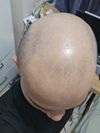
The user experienced no regrowth after nine months on minoxidil and developed red bumps after starting finasteride. They also use Nizoral 2%, which helps slightly, but minoxidil causes intense itching.
The user is frustrated with ongoing hair loss despite using oral finasteride and topical minoxidil. They are considering adding magnesium to their diet and exploring other treatments like micro-needling and keto shampoo.
The user shared progress pictures showing crown recovery after 8 months of using 1mg finasteride, 2mg minoxidil, and 2% ketoconazole shampoo. They noted significant hair texture changes and are hopeful for temple recovery.
The conversation is about incorporating tretinoin into a hair loss regimen after using minoxidil and finasteride for years, with discussions on the effectiveness of minoxidil and the potential benefits of adding tretinoin. Users also discuss the effectiveness of oral minoxidil and other topical treatments like diclofenac and fluocinolone.
The conversation is about incorporating tretinoin into a topical minoxidil routine for better hair loss treatment. The user is considering compounded minoxidil sprays with tretinoin from brands like Keeps and Roman.
A user is considering stopping hair loss treatments, including finasteride, dutasteride, and minoxidil, due to lack of progress after 16 months. They plan to continue until October and are seeking advice and experiences from others.
A female with PCOS and androgenetic alopecia is starting treatment with oral Minoxidil, topical Minoxidil 5% with finasteride, and plans to add mesotherapy. She previously tried anti-androgenic contraceptive pills but couldn't tolerate them and is using Myo Inositol for weight management.
A 20-year-old male has been using a topical mix of finasteride, minoxidil, and tretinoin for five months without seeing significant hairline improvement. He is considering adding oral dutasteride or a hair transplant for better results.
Tazarotene's potential to enhance Minoxidil conversion, similar to Tretinoin, is questioned. Users discuss the lack of information and seek further details.
The user shared progress pictures after nearly three years of hair loss treatment. They used minoxidil, dermarolling, finasteride, and currently use dutasteride, minoxidil, and dermarolling.
A 57-year-old user shared their one-year hair loss treatment progress using Minoxidil, Finasteride, Dutasteride, RU58841, KX-826, Keto shampoo, vitamins, and an iRestore helmet. They are considering simplifying their regimen to prescribed medications and feel uncertain about continuing despite seeing some progress.
Cetirizine 1% cream significantly improves hair growth and thickness in men with androgenic alopecia. It is considered effective, affordable, and has a low side effect profile.
ET-02, a new hair loss treatment, shows promising results with a 6-fold increase in hair count, potentially outperforming minoxidil by activating stem cells in hair follicles. Further trials are ongoing to confirm its efficacy and safety, with potential market release in the future.
The conversation discusses the effectiveness of topical tretinoin as a monotherapy for hair loss, with users suggesting it may not be as effective as minoxidil or finasteride. The original poster is considering other options like a phenol peel and is concerned about the risks of derma rolling.
A poem humorously suggests hope for a new hair loss treatment, PP405, while users debate the effectiveness and side effects of current treatments like Finasteride. Concerns are raised about Finasteride's side effects, especially for young users, and skepticism about new treatments is expressed.
The conversation discusses new hair loss treatments like stem cell therapy, exosome treatments, and DHI, with mentions of GT20029, Amp303, and Plated PRP Serum as promising options. It also notes the use of dutasteride, topical finasteride, and minoxidil, but the focus is on non-hormonal innovations.
A 22-year-old is using dutasteride 0.5mg daily, oral minoxidil 2.5mg, biotin 5mg, and microneedling for hair loss. They also use a shampoo with saw palmetto and green coffee but are unsure of its effectiveness due to its high cost.
The conversation discusses using minoxidil, finasteride, and multivitamins for hair regrowth, with additional treatments like microneedling and ketoconazole shampoo. Suggestions include continuing treatment, considering oral minoxidil, and possibly getting a hair transplant.
A 29-year-old considering hair loss treatment received advice to explore a theory on androgenic/anabolic balance and was encouraged to read a beginner's guide for better recovery chances. The user expressed gratitude and willingness to try the suggested approach.
Significant hair regrowth was achieved after six months using finasteride and minoxidil, with no side effects reported. The user plans to taper off minoxidil and is considering oral minoxidil, but is cautious due to potential heart issues.
A 30-year-old is considering starting hair regrowth treatments and is seeking advice on medications like minoxidil and finasteride, as well as other therapies. Users suggest starting with the "big 4" treatments and share that many have seen success even when starting later in life.
The user is experiencing solid hair regrowth after two months using a regimen of minoxidil foam, a 3-in-1 topical spray containing finasteride and tretinoin, and weekly dermastamping. They report no side effects and attribute success to the combination of treatments and a supportive diet and lifestyle.
The conversation discusses the effectiveness of oral minoxidil versus topical minoxidil with tretinoin for hair regrowth, with some users suggesting oral minoxidil might be more effective for non-responders to topical treatments. Concerns about side effects and the role of enzymes in activating minoxidil are also mentioned.
The user is seeing progress in hair regrowth using a combination of 8% minoxidil, 0.25% dutasteride, and 0.01% tretinoin. The conversation includes comments on the effectiveness and application of these treatments.
The user experienced significant hair recovery after 14 months using oral Propecia (finasteride) 1 mg daily and oral minoxidil, and recently added topical minoxidil and topical Propecia to their regimen. The doctor recommended this combination to maximize results, and the user reported no side effects, noticing improvements by the third month.
A user shared their one-year hair treatment results using dutasteride and oral minoxidil, reporting thicker hair without side effects. Others discussed similar treatments, noting improvements in hair thickness and hairline appearance.
The user shared their one-year hair regrowth progress using topical Minoxidil, oral Finasteride, rosemary oil, and a silicone head massager, along with a healthy lifestyle and supplements. They are happy with the results but acknowledge some hair loss is still visible, especially when wet.
A 28-year-old male experienced hair regrowth using a topical spray containing minoxidil, finasteride, and tretinoin, along with occasional microneedling, after stopping oral finasteride due to side effects. He is pleased with the progress after three months and plans to continue using the spray.
OP shared a 1-month progress update on using a topical solution with dutasteride, minoxidil, and tretinoin for hair loss. Users noted regrowth and discussed tretinoin's availability.
The user has tried various hair loss treatments including topical minoxidil, oral finasteride, oral dutasteride, oral minoxidil, and exosome therapy, but none have been effective. They suspect trichodynia might be preventing these treatments from working.