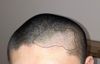
Hair loss treatment progress with Dut, Min, Keto, needling, and RU/Min/Fin/Dut topical. User noticed improvement, believes RU and needling most effective.
A user reported a significant reduction in DHT levels after 3 months of taking 1mg/day oral finasteride, along with using minoxidil foam, microneedling, and Nutrafol vitamins. They hope this will lead to hair growth and less shedding.
David Barreto shared that a London-based research group is conducting a 12-month trial for a new nutraceutical treatment for pattern hair loss, designed with Dr. Carlos Puig. The trial aims to provide robust data, with results expected in 1-2 years, potentially representing a significant advancement since finasteride’s introduction in 1997.
A human trial involving verteporfin for hair regeneration, with the results showing some regrowth of 1-2 hairs in an area where a follicular unit was extracted. The conversation also suggested that future studies should involve higher doses and more frequent injections.
The user is considering buzzing their long hair to better assess the effects of finasteride, which they have been using for over two months, and is concerned about maintaining their unique appearance. They are also curious if dyeing short hair could cause any issues.
A user's 1 year progress using a combination of treatments, including Minoxidil BID, finasteride, microneedling, tretinoin, and ketoconazole shampoo, for hair loss. Replies included advice such as to consider switching the strength of minoxidil or getting a shorter haircut.
A user is experiencing rapid hair loss and has been diagnosed with telogen effluvium by multiple dermatologists, but doubts the diagnosis due to the severity and speed of the hair loss. They are considering various treatments like spironolactone, estradiol, and possibly finasteride, while also exploring the possibility of hormonal imbalances or autoimmune issues.
A 27 year old's 3-month progress with topical finasteride and minoxidil solution, combined with weekly Nizoral shampoo. Replies to the post discuss the user's results, which are considered impressive, as well as the regimen used.
The conversation discusses whether to get a blood test to check DHT levels while using Dutasteride for hair loss and concerns about Quercetin's potential interaction with Dutasteride. It concludes that testing DHT isn't necessary unless no effects are seen, and the small amount of Quercetin in a multivitamin likely doesn't interfere with treatment.
The user started oral minoxidil, finasteride, and later switched to dutasteride, also using Nutrafol, dermastamp, and ketoconazole shampoo, but experienced increased thinning with little regrowth. Others advised patience, suggesting it takes 6-18 months to see results, and noted that initial thinning is normal when switching treatments.
A user who underwent exosomes treatment for hair loss and reported their experience, with other users discussing the procedure and offering advice. They discussed options such as finasteride, minoxidil, RU58841 and hair transplants.
The user is exploring alternatives to hair transplants due to a weak donor area and is currently using finasteride, minoxidil, dermapen, low-level laser therapy, Nizoral shampoo, and a high-protein diet. They plan to switch to dutasteride and consider adding RU58841, while rejecting hair systems and considering a buzz cut.
The user experienced hair regrowth and thickening using 1mg oral finasteride, 3mg oral minoxidil, biotin, vitamin D, red light therapy, and microneedling. Some shedding occurred around 4-6 weeks into the treatment.
A user is considering switching to a topical treatment containing finasteride, minoxidil, and tretinoin, instead of their current regimen of oral finasteride and oral minoxidil. They are unsure whether to try the new topical or continue with their current treatment.
The user experienced significant hair thickening after switching from three years of topical Minoxidil and keto shampoo to three months of topical finasteride and derma stamping. They also noted that they're using less than the recommended amount of finasteride, but still seeing great results.
A 23-year-old male is considering starting Finasteride for hair loss after experiencing persistent shedding and hairline recession, with bloodwork showing normal testosterone levels but low DHEA-S and Vitamin D. He plans to discuss DHEA supplementation with his doctor and has already started Vitamin D supplementation.
The conversation discusses scalp itching and tenderness after microneedling, despite using medicated shampoos and proper sanitation. The user plans to see a dermatologist and is concerned about possible infection or allergic reaction.
The user is experiencing one-sided diffuse thinning and has been using finasteride and liquid minoxidil for 4-5 years with minimal results. They are considering whether to save for a hair transplant or address scalp sensitivity and irritation first.
A 22-year-old is frustrated with ongoing hair loss despite using treatments like topical minoxidil, finasteride, microneedling, oral dutasteride, and oral minoxidil. Their dermatologist suggests treating scalp inflammation with oral tretinoin and using exosomes for alopecia.
Trying out a new exosome treatment for male pattern baldness, in addition to increasing vitamin intake and using existing treatments such as Nizoral and scalp drops. The user has no expectations that the new treatment will work but is giving it a try anyway.
The user is experiencing diffuse thinning despite using oral minoxidil (3mg), dutasteride (0.5mg), microneedling, scalp massaging, and vitamins. Suggestions include increasing the minoxidil dose, checking for scalp conditions, and continuing current treatments.
TE (telogen effluvium) is often misunderstood and is triggered by severe stress or trauma, not minor daily inconveniences. Most hair loss cases are due to male pattern baldness (AGA), and treatments like Minoxidil and finasteride can help.
The conversation discusses a user's three-month progress using topical finasteride once a day, 6% minoxidil at night, and weekly dermastamping at 1.25mm for hair loss. Commenters note the impressive results and discuss application methods and safety precautions for family members.
A user is considering using topical finasteride, topical minoxidil, RU58841, and dermarolling twice a week to address hair loss after experiencing side effects with oral finasteride. They previously saw positive results with a topical spray containing finasteride, minoxidil, and tretinoin but discontinued use due to laziness.
The user is experiencing aggressive hair loss and is using minoxidil, microneedling, biotin, and vitamin D. They are considering finasteride or dutasteride and plan to consult a dermatologist for the best treatment.
A user shared their progress after 8 months of using oral dutasteride, minoxidil, and ketoconazole shampoo for hair loss. They are very pleased with the results.
The user is experiencing hair shedding while using finasteride and topical minoxidil with tretinoin, keto shampoo, and dermarolling. They hope the shedding indicates future hair regrowth.