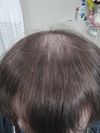
A male in his early 20s with CCCA (scarring alopecia) started treatment with Finasteride, Fluocinolone, and Doxycycline. Steroid injections were suggested but not yet done.
A 22-year-old male experienced hair loss potentially linked to escitalopram, which stopped after switching to vortioxetine. His depressive symptoms improved with continued treatment.
User experienced hair thinning due to high cortisol and thyroid issues, along with insulin resistance. They are taking magnesium, zinc, vitamin D, calcium, and selenium as supplements.
A 27-year-old male is experiencing a recurring pattern of hair loss after 5 months of using oral minoxidil and finasteride, despite initial success. He is considering using topical androgen receptor blockers like RU58841, pyrilutamide, or clascoterone to address potential androgen receptor hypersensitivity.
A 26-year-old man shared his 6-month hair regrowth progress using 0.25% topical finasteride, 5% topical minoxidil, Trichosol, and weekly derma stamping. He plans to start using a lotion with dutasteride and azelaic acid.
The user is frustrated with ongoing hair loss despite using treatments like finasteride, dutasteride, minoxidil, RU58841, and others. They express concern over the lack of improvement in hair density and the emotional toll it takes.
Hair loss can begin in early adolescence and cause mental anguish. Treatments mentioned include eating cruciferous vegetables, engaging in physical activity, and maintaining scalp hygiene.
The user is experiencing severe hair shedding despite using minoxidil, finasteride, ketoconazole shampoo, and dermarolling. They are considering changing treatments after stopping dermarolling and switching finasteride brands worsened the shedding.
A female user is experiencing heavy hair shedding and receding temples, possibly due to low ferritin levels. She is using oral minoxidil, iron supplements, and ketoconazole shampoo, and is hesitant to start spironolactone.
The user switched from finasteride to dutasteride in January and noticed increased crown thinning, despite using minoxidil with rosemary, biotin, and castor oil. They are concerned about hair loss and considering visiting a clinic for further advice.
User tried various hair loss treatments with limited success. RU58841 was effective but caused side effects, now trying Eucapil and continuing Finasteride.
A 24-year-old male is experiencing hair thinning and feels hopeless, considering treatments like finasteride and minoxidil but is concerned they might not work. He is also contemplating a dermatologist visit and is unable to afford a hair transplant.
A new topical treatment, TH07, combining finasteride, latanoprost, and minoxidil, is entering phase III trials with promising early results. Some users express skepticism, noting the treatment uses existing products.
Young individuals with seemingly healthy hairlines are using treatments like finasteride, dutasteride, and minoxidil, possibly due to paranoia or proactive prevention of hair loss. Some believe social media influences this behavior, while others argue for waiting until actual hair loss begins before starting treatment.
Despite using treatments like Dutasteride, Minoxidil, RU58841, and GHK-Cu injections, the individual continues to experience aggressive hair thinning and is seeking a specialist for further help. Suggestions include trying finasteride, dermarolling, or another hair transplant.
The post and conversation are about a user's experience with hair loss treatments, specifically switching from finasteride to dutasteride. The user experienced significant hair shedding after the switch, with others suggesting patience, noting similar experiences, or questioning the user's decision and medical consultation.
A user visited a dermatologist for hair loss and was prescribed Minoxidil without a physical examination, leading to skepticism about the thoroughness of the appointment. The user is considering seeking a second opinion due to the lack of tests or physical checks.
A user is experiencing severe hair loss and dandruff, trying various treatments including Minoxidil, Nizoral 2% Ketoconazole, Neutrogena T/Gel, coconut oil, baby shampoo, apple cider vinegar, aloe vera gel, and tea tree oil. They believe the issue is not genetic and are seeking advice and solutions.
The user reports improvement in temple hair after three weeks of using finasteride, minoxidil, ketoconazole, microneedling, stemoxydine, and follicopeptide. They note visible progress by maintaining the same hair length for comparison.
The user experienced significant hair shedding after starting finasteride, RU58841, and topical minoxidil. They increased their finasteride dosage and added dutasteride, seeking advice on whether this reaction is normal and its duration.
A 22-year-old experiencing intense hair loss across the scalp seeks advice, considering factors like nutrition and genetics. Suggestions include checking vitamin, mineral, and thyroid levels.
The post discusses the user's experience with hair loss treatment using finasteride, clobetasol propionate, and ketoconazole shampoo. The conversation warns about the potential side effects of clobetasol, a powerful topical steroid, and emphasizes its short-term usage.
The user is experiencing reduced hair shedding and increased hair density after using finasteride, minoxidil, derma rolling, granactive retinoid, and Nizoral, while also taking testosterone and aromatase inhibitors. They question if they are a hyper responder to the treatments, despite mixed feedback from others about visible progress.
The user experienced new hair growth after using HIMS topical spray containing finasteride and minoxidil for almost two months, along with weekly dermarolling. Other users confirmed the growth and advised continuing the treatment.
The struggles of hair loss at a young age and available treatments, such as medication (Finasteride, Minoxidil, Dutasteride, Derma Rolling) and potential options for hair systems or cloning in Japan. People discussed their own experiences with trying to cope with the emotional aspects of this condition.
Excess sebum rich in cholesterol and triglycerides can lead to hair loss through inflammation, with treatments like Ciclopirox shampoo, Benzoyl Peroxide shampoo, and Clindamycin gel recommended for managing conditions like seborrheic dermatitis and folliculitis. Pioglitazone is suggested for Lichen Planopilaris, while Omega-3s and reducing processed foods may improve sebum quality, though genetic factors play a significant role.
The user is experiencing hair loss and confusion over conflicting medical advice, with treatments including minoxidil, finasteride, and topical corticosteroids. They are unsure about the necessity of a biopsy and the timing of using minoxidil, while also considering the impact of potential androgenetic alopecia and telogen effluvium.
A 34-year-old male is experiencing hair loss on the sides of his head, with inflammation and itchiness, while the top remains thick. He is using topical dutasteride and keto shampoo to address the issue.
A 17-year-old is frustrated with hair thinning and receding temples, seeking advice after a dermatologist dismissed concerns. Suggestions include starting Minoxidil for regrowth and considering Finasteride if androgenetic alopecia is suspected.
A user shared progress pictures after 50 days of using finasteride, topical minoxidil, and ketoconazole shampoo for hair loss, noting significant hair growth and expressing surprise at the results. They plan to continue the treatment and possibly incorporate a dermastamp and increase minoxidil application if growth plateaus.