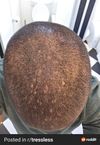
The user is using 5% Minoxidil, a 1 mm derma stamp, Vitamin D3, Zinc, and anti-dandruff shampoo for hair regrowth. They plan to consider DHT blockers like finasteride in the future.
The user has been using minoxidil, microneedling, and finasteride for hair loss without improvement and is considering tretinoin, but concerns about shedding persist. Another user suggests trying dutasteride instead of finasteride, as both tretinoin and microneedling can irritate the skin.
A trans woman is experiencing hair loss and is considering treatments like cyproterone, dutasteride, and oral minoxidil. She is concerned about potential hair growth on her face, chest, or legs due to minoxidil.
The user plans to use a combination of tretinoin, topical minoxidil, and topical finasteride for hair loss treatment. They seek advice on application order, timing, and tretinoin dosage.
Clascoterone is being discussed for hair loss, but its current acne formulation may not be suitable for scalp use due to potential skin irritation and lower dosage compared to Breezula. Users mention other treatments like finasteride, minoxidil, and pyrilutamide, with some expressing skepticism about clascoterone's effectiveness for hair loss.
The user is considering adding Stemoxydine to their hair loss regimen, as they already use topical finasteride with rosemary and cannot use Minoxidil. They are seeking feedback on Stemoxydine and Alphatradiol, and another user mentions 2-deoxy-d-ribose as a potential option.
People on testosterone replacement therapy (TRT) with aggressive androgenetic alopecia (AGA) discuss using Dutasteride or Finasteride, sometimes combined with topical treatments like RU58841 or CB-03-01 (Breezula), to prevent hair loss. Concerns about side effects and costs of certain treatments are mentioned, with one individual sharing their experience of slowed hair loss using Finasteride alone.
Hair regrowth from treatments like finasteride, dutasteride, and minoxidil can take several years, with most visible results appearing within 1-2 years and potential improvements continuing up to 10 years. Consistency and patience are crucial for achieving maximum hair thickness, as hair miniaturization and regrowth are gradual processes.
The user noticed small circular hairless spots after a buzz cut and has been using finasteride, dutasteride, and oral minoxidil for hair loss. They are experiencing continuous shedding and thinning, and it is suggested they consult a dermatologist for a scalp examination and possible biopsy to determine if it's alopecia areata or androgenetic alopecia.
The user shared progress pictures of their hair journey, noting good results after initial shedding but experiencing a second, more intense shed. They use topical Minoxidil twice daily, Tretinoin at night, oral finasteride daily, and ketoconazole shampoo weekly.
A user's 1 year progress using a combination of treatments, including Minoxidil BID, finasteride, microneedling, tretinoin, and ketoconazole shampoo, for hair loss. Replies included advice such as to consider switching the strength of minoxidil or getting a shorter haircut.
The user is discussing their hair loss treatment stack, which includes CB-03-01, Fluridil, Alfatradiol, Cosmerna, microneedling, and Stemoxydine. They have seen some new hair growth but wish they could use finasteride.
GT20029 and KX826 are promising hair loss treatments, with GT20029 increasing hair count and KX826 showing significant results. KX826 may be a good alternative for those who can't use finasteride or dutasteride, though results vary.
The user experienced hair repigmentation and attributes improvements in hair and overall health to a carnivore diet, Boron, and Selenium supplementation. They stopped using finasteride after 20 years, noticed increased testosterone and libido, and observed hair regrowth with RU58841.
Scientists discovered a sugar gel, 2dDR-SA, that increased hair growth in mice. Users discussed its potential, comparing it to other treatments like Minoxidil and finasteride.
A user is considering a topical hair loss treatment with Bimatoprost 0.03%, Dutasteride 0.1%, Minoxidil 7%, and Tretinoin 0.015%, and is unsure about adding oral finasteride due to potential side effects. Another user suggests microneedling and mentions the benefits of a high protein and omega-3 diet for hair health.
The user is using Dutasteride, Minoxidil, microneedling, RU58841, and tretinoin for hair loss. They are experiencing shedding but notice new hair growth and are curious about the timing of future shedding phases.
The user is experiencing a second hair shedding phase after 7 months on finasteride, oral minoxidil, and ketoconazole, and is concerned about the sustainability of the treatment. Others encourage continuing the treatment, explaining that shedding is normal and should stabilize over time.
Chronostim is a hair treatment with separate day and night formulas containing ingredients like lauric acid, glycyrrhetinic acid, and piroctone olamine. Users discuss its effectiveness for hair loss.
The conversation discusses using minoxidil with microneedling and considering tretinoin to enhance hair growth, especially for those who are weak responders to minoxidil. It also explores the potential of using tazarotene, a stronger retinoid, to boost minoxidil's effectiveness and addresses purchasing tretinoin from Germany.
Mallia Aesthetics has developed MAL-838, a hormone-free product derived from sCD83, which stimulates hair growth without disrupting the skin microbiome. sCD83 promotes hair growth by activating hair follicles and preventing cell death, offering a localized treatment without systemic side effects.
Diffuse hair loss is often linked to genetics but can also be due to health issues like thyroid problems and low vitamin or iron levels. Treatments include finasteride, minoxidil, and dutasteride, with some seeing improvements after addressing health issues.
The user is experiencing some hair regrowth after 3 months of using finasteride, minoxidil, biotin, vitamin C, and vitamin D, with noticeable improvements in hair thickness and baby hairs on the hairline. Other users suggest additional treatments like dermarolling and scalp massages for better results.
A 22-year-old with 4c hair is considering a hair transplant to address traction alopecia caused by braid extensions. They have tried derma stamping, oils, and minoxidil but stopped due to side effects.
Hair loss may be linked to thyroid issues, with some individuals noticing changes in hair texture when taking substances affecting the thyroid. Treatments mentioned include a topical mix of finasteride, minoxidil, and tretinoin, along with microneedling.
The user experienced hair regrowth after 4 months of using topical finasteride and minoxidil, 2 weeks of dermatolling, and possibly tretinoin. They also noted improved mental health and reduced weight training.
The conversation humorously speculates on whether King Thutmose IV used finasteride to maintain his hair, with references to minoxidil and other hair loss treatments. It includes jokes and satire about historical figures and hair loss.
The conversation discusses successful hair regrowth using topical minoxidil and biotin shampoo/supplements, avoiding finasteride due to its side effects. Specific brands of shampoo, conditioner, and biotin pills were inquired about but not mentioned.