Search
for
Sort by
Community Join
240-270 / 1000+ results
community One-sided diffuse thinning - what should I do?
The user is experiencing one-sided diffuse thinning and has been using finasteride and liquid minoxidil for 4-5 years with minimal results. They are considering whether to save for a hair transplant or address scalp sensitivity and irritation first.
community Using follica’s micro needling device and exosomes injections you’re looking at a 50% or probably more regrowth in male pattern baldness
Using a combination of micro-needling and exosome injections as a potential treatment for male pattern baldness, which could result in 50% or more regrowth.
community SCUBE3 and GT20029 could be the closet thing to a cure: Hair Follicle Regeneration and Protection Against DHT
SCUBE3 and GT20029 are potential treatments for hair loss, with SCUBE3 stimulating hair growth and GT20029 protecting against DHT. A combined approach using SCUBE3, finasteride or dutasteride, and later GT20029 could provide a comprehensive treatment for androgenetic alopecia.
community Dr. Rassman’s topical liposomal finasteride - gyno question
User discusses topical liposomal finasteride for hair loss, hoping to avoid breast growth side effect. Conversation includes using minoxidil, fluridil, and dermarolling, and mentions minimal systemic absorption of liposomal finasteride.
community Is this regrowth 7 months in fin
The user has been using finasteride for 7 months and is experiencing some regrowth but struggles with an oily scalp despite trying ketoconazole and salicylic acid. They are seeking advice on managing the oily scalp and are reassured by others that regrowth is visible.
community Fuzzy weird hair in the front, seasonal shedding
A 22-year-old is experiencing hair loss, particularly fuzzy hair in the front, and is concerned about male pattern baldness. Treatments mentioned include Propecia (finasteride), minoxidil, PRP treatments, dermarolling, peppermint oil, and apple cider vinegar.
community 2.5 months fin topical / min oral + min topical.
The conversation discusses a hair loss treatment regimen involving finasteride topical, minoxidil oral and topical, pumpkin seed oil, turmeric drink, weekly derma rolling, and regular head massages. Another user plans to start a similar regimen, including finasteride, minoxidil, keto shampoo, and GHK-Cu vials.
community What’s your views on clascoterone 5% topical solution by cosmo
Clascoterone 5% topical solution shows promise for treating male-pattern hair loss by blocking DHT at the follicle without systemic absorption, potentially offering fewer side effects than oral treatments like finasteride. While results are promising, long-term safety and effectiveness need further study, and it may serve as a starting point for developing more effective treatments.
community 27yo male, with dandruff and losing hair all over
A 27-year-old male is experiencing hair loss and dandruff, despite trying various treatments like cortisone, diflucan, and natural remedies. He is considering shaving his head and is seeking advice on the "Big 3" treatment, which includes Minoxidil, finasteride, and RU58841.
community Treatments not working (Need suggestions)
A 21-year-old experiencing significant hair loss despite using dutasteride, oral minoxidil, ketoconazole shampoo, and low-level laser therapy seeks advice. Suggestions include adding microneedling, checking for vitamin deficiencies or thyroid issues, and considering a scalp biopsy for other conditions.
community Reducing Fibrosis in Hair Loss: Topical Pirfenidone
Topical pirfenidone is highlighted as an effective anti-inflammatory and anti-fibrotic treatment for hair loss, particularly in addressing perifollicular fibrosis, which may enhance the effectiveness of standard treatments like finasteride and minoxidil. The user also uses calcipotriol, MCT oil, ciclopirox shampoo, and benzoyl peroxide shampoo as part of their regimen.

community Front Scalp Thinning Despite Using 1mg Fin & 2.5mg Min: AGA or Other Cause?
The user is experiencing significant hair thinning on the front scalp while taking oral finasteride and minoxidil. They are unsure if it's androgenetic alopecia or related to seborrheic dermatitis.
community Any help with female hair loss?
A 20-year-old female with PCOS is experiencing hair loss and excessive facial hair. She is using ketoconazole and caffeine shampoos, microneedling, and considering anti-androgens like finasteride, but is cautious about minoxidil due to facial hair concerns.
community Have we become too obsessed with DHT??
Focus on scalp health, not just DHT suppression, is crucial for hair regrowth. Effective treatments include Hair Restoration shampoo, LLLT laser cap, microneedling, and topical finasteride.
community New hair growing in small clusters
The user is experiencing hair regrowth in small clusters using oral minoxidil, oral finasteride, a red light cap, and Nizoral 2% shampoo. They are hopeful for continued improvement and thicker hair.
community 38M - 3 Years 1 Month of Topical Fin + Min Progress
The user has been using a topical combination of finasteride and minoxidil for over three years, with added ketoconazole and biotin, and started microneedling six months ago, but sees limited progress mainly in the crown area. Suggestions include trying oral minoxidil, oral dutasteride, and considering a hair transplant if further improvement is not achieved.
community Just an encouraging post for atypical alopecia sufferers
The user experienced eyebrow hair loss and tried various treatments, including Minoxidil, a Capsaicin-based product, Latanoprost, Bimatoprost, Castor Oil, and Travoprost. Despite initial setbacks and a brutal shedding phase, they eventually saw positive results with Travoprost, encouraging others not to give up on treatments.
community Anyone have experience with latanoprost topical?
The post discusses the use of latanoprost foam for hair growth, with the user expressing concerns about its efficiency and safety. The user is currently using topical dutasteride, which maintains their hair but doesn't promote regrowth, and is seeking a product that doesn't affect hormone levels.
community Improvement or Delusional? 21M
A user is using topical finasteride, keto shampoo, microneedling, and tretinoin for hair loss and is considering adding pyrilutamide. They notice some improvement at the temples and seek advice on whether to focus on cosmetic results despite daily shedding.
community 2.5 months of topical Finasteride
A user reported significant hair regrowth using a homemade 0.01% topical finasteride solution, highlighting its effectiveness and lack of side effects. The discussion included concerns about oral finasteride's side effects and the benefits of topical solutions.
community 2 months progress. 33 yrs old. topical min, oral fin (1mg), derma pen, .05% tretinoin on hairlne
A 33-year-old is using topical minoxidil, oral finasteride (1mg), a derma pen, and 0.05% tretinoin on the hairline to treat hair loss, showing progress after 2 months. They apply tretinoin in the evening with minoxidil and use a derma pen once a week at 1.5mm.
community Sebum production even on dutasteride, and its relation to MPB.
The conversation discusses managing hair loss and scalp issues, with users sharing experiences using treatments like dutasteride, finasteride, ketoconazole, sulfur soap, and topical anti-androgens. Suggestions include trying sulfur soap, scalp massages, spironolactone, and dietary changes to reduce sebum production and dandruff.
community Anyone had success with typical Trichologist treatments? Electro Stimulation, Ultrasound, Oxygen Infusion, etc..
Finasteride and minoxidil are recommended for hair loss, with skepticism about additional treatments like electro stimulation and oxygen infusion, which are seen as ineffective and costly. Pulsed ultrasound may enhance drug delivery, but most other treatments are considered ineffective.
community On fin and min for 8 years and always still feel like I have "ghost hair"
The user has been using finasteride and minoxidil for 8 years and recently started dutasteride, but still experiences thin, see-through hair. Suggestions include adding probiotics, changing hairstyle, checking hormones, supplementing vitamin D3, trying laser therapy, and improving gut health.
community Topical solution recommendation
The user is using finasteride 1mg every other day and seeks a topical solution excluding minoxidil. They are considering various combinations of ingredients like finasteride, dutasteride, and tofacitinib, with options for nourishing oils and other additives.
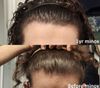
community Progress in miniaturization or time to go to a psychiatrist?
A 21-year-old is concerned about androgenic alopecia and has been using minoxidil for a year, noticing some stabilization in the hairline but fears using it on the whole scalp due to seborrheic dermatitis. Another person suggests considering a psychiatrist for stress management, using Nizoral shampoo, and possibly trying a small dose of finasteride.
community Oral Finasteride topical minoxidil progress
The user is using oral finasteride, topical minoxidil, and tretinoin to treat hair loss. After two months, there is noticeable thickening and maintenance of the hairline.
community DHT itch, dandruff and sebum plugs.
The conversation discusses hair loss treatments, focusing on reducing scalp itching and dandruff using natural shampoos, witch hazel, and apple cider vinegar. The user also mentions using finasteride and observing potential regrowth, though it's difficult to confirm.
community TrichoGene minoxidil response test?
The conversation is about the legitimacy and affordability of ordering a Minoxidil response test from TrichoGene, an India-based company, as an alternative to Daniel Alain. The user is seeking feedback on whether TrichoGene is a reliable option.