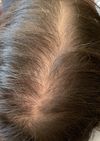
User hides baldness with side hair growth, others suggest it looks good but may not work in all conditions. Some recommend starting treatment or considering a hair transplant.
Hair loss treatments, ranging from topical minoxidil and finasteride to taking hormones such as estradiol or nandrolone, as well as a controversial suggestion of an orchiectomy. A hair system is also mentioned as an alternative solution.
A 19-year-old male with no family history of androgenetic alopecia (AGA) is experiencing hair loss and considering using a topical minoxidil and finasteride mixture. Despite low vitamin D levels and normal DHT serum levels, he seeks confirmation of AGA before starting treatment.
Creatine may increase scalp DHT without affecting serum DHT, potentially speeding up male pattern baldness (MPB) for those genetically prone. Treatments mentioned include Minoxidil, finasteride, and RU58841.
The user has tried various treatments like Dutasteride, RU58841, Minoxidil, Finasteride, Spironolactone, Pyrilutamide, and Ketoconazole for hair loss without success and is considering a scalp biopsy to diagnose another condition. Others suggest consulting a dermatologist and possibly getting a biopsy, as the issue might not be typical male pattern baldness.
Adipose-derived stem cells with ATP improved hair regrowth in male and female mice with androgenetic alopecia. The most effective treatments were low dose stem cells with ATP for males and medium dose stem cells with non-liposomal ATP for females.
The user is frustrated with ongoing hair loss despite using treatments like dutasteride, finasteride, and minoxidil, and is considering shaving their head. They are advised to maintain consistency with medication, consider oral minoxidil, and explore hair transplant options.
The user is using a hair loss regimen involving 2ddr applied twice daily, tretinoin weekly, and occasionally micro-needling. They report feeling increased scalp thickness and seeing some hair growth progress.
A young individual experienced early hair loss and tried various treatments including Minoxidil, RU58841, micro-needling, and topical finasteride, which stopped the hair loss but did not regrow hair. Ultimately, they found a solution in a hair system, which restored their confidence and allowed them to participate in social activities again.
A 27-year-old at Norwood 3 is starting a hair loss treatment journey using finasteride, dutasteride, minoxidil, biotin, scalp massages, and ketoconazole shampoo. The focus is on reducing DHT and stimulating growth, with finasteride emphasized as the key long-term solution.
A 20-year-old is experiencing hair thinning and is considering Clascoterone and Minoxidil as treatments, avoiding finasteride due to concerns about fertility and hormones. A suggestion was made to use Clascoterone for local DHT targeting and combine it with Minoxidil for maintenance and regrowth while avoiding systemic side effects.
The conclusion of this conversation about hair loss is that genetics play a significant role in determining hair loss, and specific treatments like finasteride may not be effective against certain compounds like masteron and trenbolone.
Hair cloning claims by Dr. Gho are widely considered a scam, with skepticism about the effectiveness of his hair stem cell transplantation. Users suggest that if it were effective, wealthy individuals would opt for it over traditional methods like FUE transplants.
The conversation is about seeking user experiences with Traya for hair loss treatment, focusing on the effectiveness and convenience of its doctor, diet, and product approach. The user is conducting research and requests feedback on what worked or didn't work.
The user switched from oral to topical finasteride with minoxidil after a hair transplant and is experiencing increased hair growth in unexpected areas like eyebrows and sideburns. They are seeking feedback from others with similar experiences.
The conversation discusses a hair loss treatment regimen involving dutasteride, pyrilutamide, oral minoxidil, and microneedling, with the aim of suppressing DHT and stimulating hair growth. Users debate the effectiveness and potential side effects of these treatments, noting that individual results may vary and that no treatment is foolproof.
DHT may inhibit hair growth by affecting mitochondrial function, leading to hair follicle miniaturization. Treatments like minoxidil and PP405 may promote hair growth by altering metabolic pathways, potentially counteracting DHT's effects.
A user shared their personal experience with hair loss treatment, detailing their journey from initial hairline thinning to regrowth. They tried several protocols, with the most effective being a combination of finasteride, minoxidil, dermarolling, and topical tretinoin, and plan to continue finasteride daily.
A person dealing with hair loss is considering shaving their head, using scalp micropigmentation to cover a FUT scar, or trying a hair system. They are also contemplating treatments like minoxidil, finasteride, and dutasteride.
Individuals with oily scalps, dandruff, and diffuse thinning hair loss who have managed to either halt the loss or regrow their hair by using topical finasteride and minoxidil as well as microneedling and ketoconazole 2% shampoo.
A user shared their successful hair regrowth journey using finasteride, minoxidil, microneedling, and castor oil, highlighting the importance of persistence despite initial shedding. They reported no side effects and encouraged consistency in treatment.
Hair loss is linked to the loss of stem cells in hair follicles, and potential treatments include gene editing and microneedling. Discussions also mention using Minoxidil, finasteride, and dermarolling to improve hair growth.
The conversation discusses successful hair regrowth using topical minoxidil and biotin shampoo/supplements, avoiding finasteride due to its side effects. Specific brands of shampoo, conditioner, and biotin pills were inquired about but not mentioned.
A 33-year-old male is experiencing thinning at the temples and hairline, with increased shedding over the past year. The user suspects androgenetic alopecia (AGA) despite AI suggesting a maturing hairline.
The conversation is about a transgender individual's experience with hair regrowth using topical minoxidil and hormone replacement therapy (HRT), expressing concern about the slow growth and thin appearance of their hair. Some responses encourage patience and highlight the variability of results, while others discuss the role of HRT and its effects.
The user discusses using dutasteride to stop hair loss and bimatoprost for regrowth. They plan to use VEGF with hydrogels for potentially permanent hair follicle improvement and suggest PRP as an alternative.
Exploring the idea of using facial hair properties for scalp regeneration in male pattern baldness, considering the potential of transferring androgen-resistant characteristics from facial hair to the scalp. Challenges include complexity, scalability, aesthetics, and safety, but the concept encourages innovative thinking beyond current treatments like Minoxidil, Finasteride, and hair transplants.
A man lost his transplanted hair despite using minoxidil because he wasn't on a DHT blocker like finasteride, which is essential to prevent further hair loss. The conversation emphasizes that hair transplants are not a cure and require maintenance with medications to preserve results.
The user experienced hair regrowth using dutasteride daily, microneedling weekly, and Nizoral shampoo, after stopping minoxidil due to side effects. They also use a mix of pumpkin seed, rosemary, and peppermint oil, and are considering RU58841 for more temple area thickness.
The conversation discusses hair loss treatments, focusing on the use of topical minoxidil, microneedling, finasteride, and dutasteride, while debating the role of testosterone and DHT in hair loss. It also touches on the potential liver health impacts of these treatments and the genetic sensitivity of hair follicles to androgens.