User taking 1mg finasteride daily for 2 years, wants to block more scalp DHT. Seeks reference for additional topical DHT blockers like alfatradiol and fluridil.
Hair loss possibly caused by chlorine and heavy metals in water was addressed by using a shower filter, ketoconazole shampoo, and PRP sessions, which stopped the hair loss but did not lead to regrowth. Other users suggested similar experiences and solutions, emphasizing the importance of a good water filter and patience for potential regrowth.
The post discusses a hair loss treatment regime using Nizoral, a laser helmet, dermaroller, bentonite clay mask with essential oils, and ketoconazole shampoo. The user avoids finasteride and minoxidil due to concerns about side effects and pet safety.
HairClone aims to rejuvenate miniaturizing hair follicles through follicle banking and cell expansion, with treatments potentially available in the UK by 2022. The process involves extracting, storing, and cloning hair follicles, but full regenerative treatments will take many years to develop.
The user reports progress in hair regrowth using finasteride every other day, topical minoxidil once daily, ketoconazole twice a week, and Vitamin D3 with zinc. They note improvement in temple areas and the appearance of baby hairs.
User is experiencing hair thinning and sebum overproduction after starting finasteride and a hair growth supplement containing biotin, iron, zinc, and calcium. They suspect the finasteride might be fake but have noticed a side effect of watery semen.
The user is seeking advice on improving their hairline, currently using dutasteride 0.5mg/day and oral minoxidil 5mg/day for 14 months. They want to avoid a hair transplant and are concerned about thin hair and receding temples.
A user shared their hair regrowth progress using Dutasteride, topical Minoxidil, Spironolactone, and Estradiol Valerate injections as part of hormone replacement therapy for transitioning. They experienced significant hair improvement and personal satisfaction but caution against this approach for non-transitioning individuals due to irreversible changes.
A 19-year-old male with diffuse and crown thinning is considering starting minoxidil as advised by a dermatologist but is unsure if he should seek a second opinion. Another user suggests consulting a reputable dermatologist to avoid wasting resources.
The user has been using a combination spray with 0.1% finasteride, 5% minoxidil, and tretinoin for over a year but feels their hairline has worsened. They are considering increasing the concentration of finasteride and adding 5% minoxidil once a day, while another user suggests trying oral finasteride for potentially better results.
The user has been using a combination of 0.3% topical finasteride, minoxidil, ketoconazole, and microneedling once a week for two months with positive results and no side effects. They apply the treatment daily using a spray and have short hair, which makes application easier.
A 24-year-old male with diffuse thinning has been using finasteride for two years, dutasteride for 6-7 months, and oral minoxidil for 5 months, along with topical treatments. He plans to continue this regimen and reassess in August 2026, hoping to stabilize hair loss without surgery.
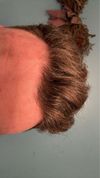
The conversation discusses the use of TRT, dutasteride, minoxidil, and potentially RU58841 for hair loss. Concerns about the risk of developing Cutis verticis gyrata with minoxidil and TRT are raised.
Hair follicles don't truly die but become severely miniaturized. Treatments like finasteride, dutasteride, and minoxidil can help restore hair by providing nutrients and reducing harmful effects on hair roots.
A user shared progress on treating female pattern baldness with a topical solution containing Minoxidil, Dutasteride, Tretinoin, Ketoconazole, and Hydrocortisone, along with supplements like Collagen Peptides, NAC, Vitamin C, and Keratin. Another user commented on the impressive results, noting the use of topical Dutasteride.
Dutasteride raises scalp testosterone by 99%, which may not be ideal for those sensitive to all androgens. Some argue finasteride's balancing act might be better, while others believe dutasteride is superior for hair regrowth.
A user's experience with a hair transplant procedure and the resulting appearance of their hairline, which included some micro irregularities to make it look natural. Other users asked questions related to cost and safety of similar procedures at different clinics.
A user achieved significant hair regrowth from Norwood 3 to a dense Norwood 2 after five months using oral dutasteride, oral minoxidil, and a topical solution with minoxidil, retinoic acid, and hydrocortisone. The user reported no side effects and found the topical treatment especially effective for the hairline.
A 21-year-old is experiencing hair thinning and is using oral finasteride and topical minoxidil, considering adding oral minoxidil. They are unsure if the condition is androgenetic alopecia (AGA) or telogen effluvium (TE) and are advised to continue treatments and get a blood test.
A 20-year-old saw significant hair regrowth after 9 months of using DHT blockers (finasteride and dutasteride) and 6 months of hormone replacement therapy (HRT) with estradiol. The regrowth is attributed to low testosterone and high estradiol levels, without using Minoxidil.
The user is asking if using a 10% fluridil formulation would be effective for blocking scalp androgens in addition to their current treatment of oral dutasteride.
The hair transplant has a straight, unnatural-looking hairline that many find unappealing. The person is not using finasteride or minoxidil, which may affect future hair retention.
The conversation discusses whether Breezula could be considered a cure for hair loss if it stops hair loss without side effects, acknowledging that it's not very effective for regrowing hair. Some believe a combination of hair transplants and topical treatments like Breezula could be effective, while others doubt its efficacy and the practicality of topicals as a cure.
The post and conversation are about a user seeing hair regrowth after using Rogaine, rosemary oil, pumpkin seed oil, saw palmetto, microneedling, and LLLT. The user plans to add Nizoral soon and is hopeful about continued progress.
Sulfur soap may help with hair thickening and reducing scalp inflammation, but it can cause dryness. Nizoral, containing ketoconazole, is noted for its potential to reduce seborrheic dermatitis but may also cause scalp dryness and hair loss.
The user shared their hair regrowth journey using treatments like dutasteride, minoxidil, microneedling, tretinoin, Nizoral, silica, biotin, and hormone replacement therapy (HRT) with cyproterone and estradiol. They reported substantial hairline improvement and some crown thinning, with hopes for further progress.
The user has been using topical minoxidil and finasteride for 1.5 years, which has thickened existing hair but left some areas thin. They suspect the treatment may be causing dandruff or seborrheic dermatitis and are seeking advice.
Hormone replacement therapy with spironolactone and estradiol significantly improved hair thickness and growth, surpassing previous treatments like dutasteride, finasteride, and minoxidil. The user experienced regrowth in receded areas and a more youthful appearance.
The user shared progress pictures of their hair growth after using finasteride, oral minoxidil, and undergoing a hair transplant with 4,200 grafts in Istanbul. They reported thicker hair and noticeable crown regrowth, with no side effects from the treatments.