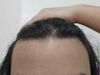
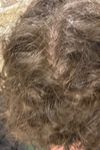
The conversation discusses a user's experiment of "burning the scalp" to treat hair loss, with mixed opinions on its effectiveness. Some suggest returning to proven treatments like finasteride and minoxidil, while others note slight improvements in hair density.
The user is using minoxidil, finasteride, dermarolling, and other treatments for hair regrowth, showing promising results in the temple area. Despite some skepticism, there is optimism about potential improvement.
A 26-year-old male is considering starting the "Big 3" treatments for hair thinning, which include Minoxidil, finasteride, and RU58841, and is unsure whether to begin these treatments or consult a dermatologist first.
The conversation provides scientific sources on hair loss treatments like finasteride, minoxidil, and others, aiming to help individuals make informed decisions about their treatment options. It also discusses phytochemicals as alternative treatments due to concerns about side effects from drug-based therapies.
The user received trichotest results indicating finasteride is ineffective for them, and they plan to use dutasteride mesotherapy and add cetirizine to minoxidil. They seek advice on incorporating dutasteride into their regimen.
The conversation discusses a natural approach to hair loss treatment, including using natural shampoo, daily scalp massages, derma rolling, and dietary changes, with the goal of improving hair health. Some users express skepticism about natural methods, advocating for finasteride or minoxidil, while others share positive experiences with natural treatments like essential oils and derma rolling.
The conversation is about a person experiencing hair loss, using topical minoxidil for 8 years, now at Norwood scale 3, and considering topical spironolactone and oral minoxidil after a tricho test recommendation. They are seeking others' experiences with topical spironolactone.
Evidence-based treatments for androgenic alopecia, such as minoxidil, finasteride, low-level laser light therapy, dutasteride, platelet-rich plasma, and topical ketoconazole. It discusses the efficacy, safety, and mechanism of action of these treatments, as well as future developments in understanding this polygenic condition.
The conversation discusses treating male pattern baldness in a transgender woman using cyproterone acetate, finasteride, and biotin. The original poster shared their experience for others who might be in a similar situation.
A user experienced hair thinning due to traction alopecia from using Murray's Beeswax and is considering treatments like minoxidil and finasteride to reverse the damage. Another user suggests consulting a hair specialist, as the hair may not regrow if scar tissue has formed.
The user is using a hair loss regimen involving 2ddr applied twice daily, tretinoin weekly, and occasionally micro-needling. They report feeling increased scalp thickness and seeing some hair growth progress.
Maintaining a healthy lifestyle is crucial for hair health, and relying solely on treatments like Minoxidil, finasteride, or RU58841 without addressing overall health may not be effective. External treatments alone cannot compensate for poor health habits.
A 20-year-old feels defeated about hair loss and struggles with consistent minoxidil use due to ADHD. They plan to visit an endocrinologist for finasteride and consider shaving their head while continuing treatments.
A user plans to experiment with creating new hair follicles using methods like derma rolling, applying lithium chloride, tannic acid, and various other substances including caffeine, ketoconazole, and raspberry ketones. They also consider using anti-inflammatories, immunosuppressants, and DHT inhibitors to potentially improve results.
A user shared their experience with a hair restoration method involving adding individual human hairs on ultra-fine strands between existing hair, allowing for natural movement and appearance without blocking the scalp. They also continue using rosemary oil and gentle massage for basic growth support.
The user started oral minoxidil, finasteride, and later switched to dutasteride, also using Nutrafol, dermastamp, and ketoconazole shampoo, but experienced increased thinning with little regrowth. Others advised patience, suggesting it takes 6-18 months to see results, and noted that initial thinning is normal when switching treatments.
Hair loss impacts mental health, with treatments like Minoxidil, finasteride, and stem cell transplants discussed. There is hope for future breakthroughs, but current treatments are limited, and awareness is lacking.
Hair regrowth treatment involving 3aHSD enzyme shows 6% improvement in 18 weeks. Sulforaphane, L-Menthol, and Dexpanthenol are potential ingredients for new hair loss solution.
The user tried various hair loss treatments including minoxidil, finasteride, hormone therapy, dutasteride, microneedling, and natural oils. They plan to continue their regimen and may consider surgical options if results are unsatisfactory.
The conversation discusses using a multimodal approach to treat androgenic alopecia, including substances like gamma-linolenic acid, DHA, sulforaphane, melatonin, cetirizine, astaxanthin, fisetin, apigenin, curcumin, limonene, genistein, and berberine. Users also mention using ketoconazole, minoxidil, and low-level laser therapy (LLLT) as part of their hair loss treatment regimens.
The user is exploring alternatives to hair transplants due to a weak donor area and is currently using finasteride, minoxidil, dermapen, low-level laser therapy, Nizoral shampoo, and a high-protein diet. They plan to switch to dutasteride and consider adding RU58841, while rejecting hair systems and considering a buzz cut.
A new hair loss treatment theory beyond minoxidil and finasteride is proposed, causing mixed reactions in the community, with some members eager to explore and support it, while others call for more research and evidence.
The user treated traction alopecia for over a year using Nutrafol, rosemary oil, topical and oral Minoxidil, dermarolling, biotin, collagen, and vitamin D, and shared progress photos to inspire others on their hair growth journey. They also acknowledged the community and a specific person for support and encouragement.
The user is experiencing hairline thinning despite using finasteride, minoxidil (solution and foam), dermastamping, and tretinoin. They suspect minoxidil or tretinoin might be causing the issue but are unsure.
A user is treating hair loss with oral finasteride, topical minoxidil, and tretinoin mixed with moisturizer for easier scalp application. They also plan to use a derma pen weekly.
Diffuse thinners often experience more hair regrowth with DHT blockers like finasteride, possibly due to less DHT sensitivity and the presence of miniaturized, not completely bald, follicles. However, regrowth varies widely among individuals, influenced by factors like genetics, the stage of hair loss, and treatment methods such as minoxidil, microneedling, and dermarolling.
Balding's emotional impact is discussed, highlighting self-acceptance and well-being. Treatments like finasteride, minoxidil, and microneedling are mentioned, but the focus is on self-care and maintaining perspective.
The conversation is about a 21-year-old using finasteride, dermarolling, ketoconazole shampoo, hair growth serums, and exosome therapy to treat early-stage thinning on the crown. They are questioning if these treatments are sufficient to improve hair thickness.
The conversation discusses managing hair loss and seborrheic dermatitis with treatments like minoxidil, finasteride, and saw palmetto, emphasizing the importance of scalp health and DHT reduction. The user shares personal experiences and suggests a balanced approach, combining topical treatments and lifestyle changes for effective hair regrowth.