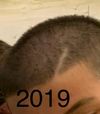
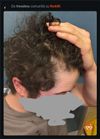
The user is using minoxidil, finasteride, dutasteride, and clobetasol, along with needling, to combat hair loss. They are considering stopping treatment if no improvement is seen.
Hopeful treatments for hair loss, including Verteporfin, Androgen Receptor Degradation, and SCUBE3. These treatments offer potential solutions to slow or stop the effects of androgens on the scalp.
The user is questioning if they are experiencing hair regrowth after using topical Minoxidil for 4-5 months, noting increased body hair but uncertain head hair changes. Other users suggest the appearance is due to a natural cowlick rather than balding.
The user is seeking advice on a hair loss treatment called Ell Cranell, which contains Alfatradiol. Another user shared information from a study stating that Alfatradiol only slows down or stabilizes hair loss, but does not increase hair density or thickness.
A user shares optimism about combating male pattern baldness using oral and topical minoxidil, highlighting the advancements in treatments available today. Another user agrees, noting that early treatment can yield good results, and mentions the availability of affordable hair transplants.
The user is exploring alternatives to hair transplants due to a weak donor area and is currently using finasteride, minoxidil, dermapen, low-level laser therapy, Nizoral shampoo, and a high-protein diet. They plan to switch to dutasteride and consider adding RU58841, while rejecting hair systems and considering a buzz cut.
Hair loss treatments discussed include cosmeRNA, minoxidil, finasteride, RU58841, and pyrilutamide. Users debate effectiveness, side effects, and upcoming treatments, with some expressing skepticism and others optimism.
Combining tretinoin with minoxidil may improve absorption by exfoliating the scalp, but results vary. Users suggest starting with low frequency to avoid irritation, and some recommend additional treatments like finasteride or microneedling.
The conversation discusses a 4-month hair loss treatment progress using RU58841, topical Minoxidil, ketoconazole shampoo, and micro-needling. The user shares progress pictures taken at the start, after 1 month, and the current state, all under the same conditions.
A 22-year-old has been using minoxidil and finasteride for hair loss with initial success, but later experienced increased shedding and no regrowth. They recently added vitamin D3 supplements and microneedling, which reduced shedding, but are seeking advice on regrowth, with suggestions to try tretinoin with minoxidil and consider dutasteride.
Mixing tretinoin with minoxidil for hair loss treatment. Some users prefer separate application or professional compounding due to potential solubility issues.
A 33-year-old attempted hair regrowth after 10 years of baldness using topical finasteride, minoxidil, micro-needling, a laser cap, and later oral dutasteride. They noticed some regrowth, especially vellus hairs, and are considering a hair transplant or other treatments despite side effects.
The conversation discusses hair loss and bloodwork results, focusing on zinc, vitamin D, and ferritin levels. The user is experiencing telogen effluvium after surgery and seeks advice on supplementation.
A 20-year-old using minoxidil, weekly microneedling, biotin, vitamin D3, rosemary oil, and saw palmetto shampoo for hair regrowth. The user is in the shedding phase and hopes for better results in months 3-6.
The user experienced hair loss possibly due to scalp damage and tried natural treatments with limited success. They reported noticeable hair thickening after using a laser treatment device, suggesting it may be effective, especially for those on finasteride.
A user shared their 5-month hair loss treatment progress using 5% topical Minoxidil, 0.75-0.80mg Finasteride, and occasional microneedling. They noted improvement in their hairline and plan to update at 8 months and 1 year.
Switching from tretinoin to tazarotene with minoxidil led to new hair regrowth after years of maintenance. Tazarotene's selectivity and higher concentration might be more effective for hair growth.
The user has been using minoxidil, dutasteride, and microneedling for hair loss but has noticed accelerated thinning at the crown and hairline recently. They plan to start using Nizoral and have a dermatologist appointment soon.
A 27-year-old is experiencing significant hair loss despite using a combination of 0.5mg dutasteride daily, topical minoxidil, nizoral shampoo, and vitamin D optimization, and is now starting zinc supplementation. Suggestions include considering other causes, possibly increasing dutasteride dosage, switching to oral minoxidil, or maintaining the current regimen and reassessing in six months.
Bimatoprost (Latisse) may help with hair thinning but is expensive and less effective than minoxidil or finasteride. Combining treatments like minoxidil, finasteride, and possibly RU58841 could be more effective for hair loss.
A 19-year-old is experiencing hair thinning and recession above the temples, causing stress and consideration of starting finasteride despite financial constraints. They are unsure whether to begin treatment immediately or wait to assess the situation further.
The user is currently using Minoxidil foam and Dutasteride daily but still experiencing severe hair loss. They are considering adding topical Finasteride, Fluridil, Microneedling, and Tretinoin to their treatment despite the high cost and are seeking suggestions.
User is a Norwood 2-2.5, using 1.25 mg finasteride and 5% minoxidil lotion daily since June last year, experiencing significant regrowth. They are considering additional treatments like saw palmetto, microneedling, dutasteride, aminexil, stemoxydine, mesotherapy, ketoconazole shampoo, and alfatradiol to improve hair thickness.
The user discusses their hair loss experience, exploring various hypotheses including thyroid levels, vitamin D, DHEA, nutritional deficiency, diabetes, seborrheic dermatitis, lack of nutrition to hair follicles, chronic inflammation, female pattern hair loss causes, cortisol, and prolactin levels. They are currently using finasteride, beta-sitosterol, and have tried topical dutasteride and microneedling therapy.
The user treated seborrheic dermatitis and hair loss with a routine including sulfate-free tea tree oil shampoo, ketoconazole shampoo, minoxidil foam, microneedling, and supplements like Omega-3 and Vitamin-D. They experienced significant hair shedding initially but saw improvement over a year.
A 25-year-old noticed thinning hair at the temples and started using finasteride (1mg/day) for two months, along with keto shampoo twice a week and vitamins like vitamin D, biotin, and zinc. They are seeing some results and are hopeful about regaining lost hair.
Tretinoin may enhance minoxidil absorption, potentially improving hair regrowth when combined with microneedling. Users discuss various treatments like minoxidil, finasteride, dutasteride, and microneedling, with mixed results and concerns about side effects and scarring.
The conversation discusses hair loss treatments, focusing on insulin resistance, microneedling with topical melatonin, and stress reduction. Users express skepticism about the advice, preferring proven treatments like minoxidil and finasteride, while some mention alternative methods like dermal incisions and verteporfin for reducing fibrosis.
A user did not respond to finasteride, dutasteride, and oral minoxidil for hair loss after four years of treatment and is considering scalp micropigmentation (SMP). Other users suggest the hair loss pattern may indicate alopecia areata and recommend seeing a dermatologist.
A human trial involving verteporfin for hair regeneration, with the results showing some regrowth of 1-2 hairs in an area where a follicular unit was extracted. The conversation also suggested that future studies should involve higher doses and more frequent injections.