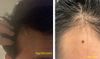
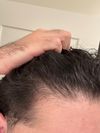
The conversation discusses hair loss treatments, specifically using Minoxidil, finasteride, and RU58841. The focus is on progress observed at the temples after one month of treatment.
Thin, short hairs often appear in areas of hair loss but may not grow fully despite treatments like finasteride. Some users consider additional treatments like microneedling or hair transplants.
The user is experiencing severe hair loss, possibly due to telogen effluvium, after stress, poor nutrition, and hormonal changes. They are using Nizoral and supplements but are considering hormonal treatments like spironolactone despite previous side effects.
Latanoprost is discussed as a potential hair loss treatment, noted for its synergy with minoxidil and 5-AR inhibitors, but concerns include its effectiveness on scalp hair, cost, and potential skin darkening. Some users express interest in trying latanoprost or bimatoprost despite limited real-world evidence.
The Shiseido/Replicel RCH-01 trial results were disappointing and ineffective. Users expressed skepticism and frustration, suggesting alternatives like Tsuji or simply accepting baldness.
The conversation introduces a specialized chatbot for ChatGPT Plus users that provides advice on hair loss treatments, drawing from research and community insights. It mentions treatments like RU58841, the "big 4" (likely minoxidil, finasteride, ketoconazole, and tretinoin), dutasteride mesotherapy, topical melatonin, microneedling, and rapamycin.
The user stopped oral treatments due to side effects and switched to a regimen of topical minoxidil, tretinoin, azelaic acid, and dermaneedling, with recent addition of topical finasteride. They are questioning the long-term effectiveness of non-hormonal methods and considering hair transplantation.
A non-binary transfeminine person experienced significant hair regrowth after starting finasteride, minoxidil, microneedling, and hormone replacement therapy with estradiol. They encourage trans individuals concerned about hair loss to consider estrogen as it has greatly improved their hair condition.
The user applies 2ml of a lotion containing 5% minoxidil, 0.3% finasteride, hydrocortisone butyrate, and cetirizine before bed, but it leaves a residue on the scalp. Another user suggests reducing the amount to 1ml, as 2ml results in a high finasteride dosage.
The conversation is about a person's hair improvement after 14.5 months using RU58841 and Minoxidil topically at 50 mg each day, with noticeable hairline improvement but incomplete crown area recovery. The person struggles to take good pictures of their crown area.
The user experienced rapid hair thinning on top of the head after two GFC treatments, despite using topical minoxidil for four years. Hair on the sides and back became thicker, leading to confusion and questioning of the treatment decision.
The user is experiencing white flakes and a greasy look from using a topical solution containing 0.025% finasteride, 8% minoxidil, 0.01% retinoic acid, and 1% hydrocortisone. Suggestions include reducing application frequency, using a brush to clean the scalp, and considering alcohol-free alternatives.
The user is considering using Tacrolimus Solution and topical Dutasteride to avoid shedding caused by Minoxidil, which they fear may lead to facial side effects. They are also concerned about scalp sensitivity and are exploring different treatment bases to manage seborrheic dermatitis.
The user reports significant hair growth after using finasteride for a year and minoxidil for 2-3 months, along with topical tretinoin. They advise against listening to family or internet fear-mongering about hair loss treatments and encourage using finasteride and minoxidil despite potential side effects.
Dermatologists use treatments like oral minoxidil, finasteride, and RU58841 for male-pattern baldness, considering side effects and patient preferences. Photobiomodulation is noted as mildly effective but costly, while PRP is debated for its effectiveness compared to microneedling.
DUPA and retrograde alopecia may not be solely DHT-based, and a biopsy is crucial for accurate diagnosis and treatment. Treatments mentioned include dutasteride, oral minoxidil, pioglitazone, clobetasol, calcipotriol, ketoconazole, and doxycycline, depending on the specific condition.
A user shared impressive hair growth results after 77 days using oral finasteride, topical minoxidil, and weekly microneedling. They reported thicker, darker hair and minimal shedding, with treatment costs around 30 euros per month.
User "hemantch" shares 5 months progress using topical Fin, Min, topical Dut, and a laser cap for hair loss. Significant regrowth was noticed after 1 month, and the treatments worked well despite being bald for 10 years.
The user experienced stable hairline but diffuse thinning after switching from oral finasteride to a topical solution of minoxidil and finasteride. They are concerned about the effectiveness of the topical treatment and are considering other options due to a recent decline in hair density.
The user is experiencing hair thinning at the front of the scalp and is seeking advice on regrowing long curly hair. They are considering treatments like Minoxidil, finasteride, and RU58841 to prioritize hair regrowth.
The conversation discusses hair regrowth using finasteride, minoxidil, ketoconazole shampoo (Nizoral), and microneedling as treatments. Users are sharing their experiences and results with these specific hair loss treatments.
Some individuals experience hair loss despite using treatments like 2.5 mg dutasteride, finasteride, and minoxidil, suggesting sensitivity to DHT or other factors. Various treatments and lifestyle changes are discussed, but results vary, and some consider hair transplants or other solutions.
The user is experiencing hair thickening with oral minoxidil but notices worsening hairline and considers starting finasteride despite concerns about gynecomastia. They are also considering using Latisse on their hairline and seek advice on potential outcomes and experiences with these treatments.
The conversation discusses a botanically derived treatment for androgenetic alopecia using ingredients like saw palmetto, green tea, and evening primrose, showing impressive results over 270 days. Concerns include the study's uncontrolled nature and potential product motivation, with suggestions to enhance absorption through derma rolling.
The conversation is about treatments for androgenetic alopecia, focusing on hyperresponders. Treatments include Minoxidil, finasteride, RU58841, leg training, and cold therapy.
The user is experiencing diffuse hair loss due to high testosterone levels and has tried various treatments including finasteride, minoxidil, nanoxidil, keto/caffeine shampoo, dermarolling, and RU-58841 with limited success. They are seeking advice on safely lowering testosterone levels to manage hair loss.
The user shared their 5-year hair loss journey, initially using a product called Triphasic Progressive by Rene Furterer, which gave good results. Later, they switched to FDA-approved medications finasteride and minoxidil, which also helped, but they noticed the most significant progress with Triphasic. They're considering trying it again if minoxidil doesn't show improvements.
A breakthrough in hair follicle cultivation using induced pluripotent stem cells (iPSCs) has been achieved, producing large hair follicles suitable for transplantation. Clinical trials for this hair multiplication technology are planned in partnership with Yinguan Biotechnology.
The user is experiencing rapid hair loss despite using dutasteride, minoxidil foam, and ketoconazole shampoo, and is concerned about waiting longer to see results. A suggestion was made to consult a dermatologist for a tricoscopy and consider higher doses of dutasteride, while also checking for nutritional deficiencies and thyroid issues.
A 21-year-old with a family history of early balding is advised to see a dermatologist to confirm androgenetic alopecia (AGA) and consider treatments like finasteride or dutasteride to prevent further hair loss, and minoxidil, possibly with tretinoin, to regrow hair. Caution is advised with oral minoxidil, and a cardiologist should be consulted before use.