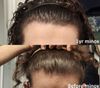
A 25-year-old male shared his 3-month progress using oral minoxidil, finasteride, and biotin for hair growth, reporting positive results and minimal side effects, such as slightly reduced libido. He plans to continue treatment and possibly add microneedling, with hopes of further improvement and potential hair transplant if needed.
User discusses hair loss and new haircut embracing temple recession. Others compliment the look and share similar experiences, suggesting confidence and trust in hairstylists.
A 21-year-old is concerned about androgenic alopecia and has been using minoxidil for a year, noticing some stabilization in the hairline but fears using it on the whole scalp due to seborrheic dermatitis. Another person suggests considering a psychiatrist for stress management, using Nizoral shampoo, and possibly trying a small dose of finasteride.
The conversation discusses the link between seborrheic dermatitis, acne, and male pattern baldness, suggesting that DHT may cause both skin conditions and hair loss. Treatments mentioned include RU58841, finasteride, dutasteride, minoxidil, Nizoral shampoo, and other topical anti-androgens.
The user shared their nearly 3-year hair loss treatment journey, starting with minoxidil, then adding finasteride, nizoral shampoo, and microneedling, later incorporating oral minoxidil and RU58841, and recently switching to dutasteride. They are considering replacing RU58841 with pyrilutamide and are aware of the potential side effects of oral minoxidil on heart health.
OP is experiencing significant hair loss despite GFC and PRP treatments and has abnormal lab results. They are advised to consult a hair-focused dermatologist for further evaluation.
The conversation discusses the scalp tension theory as a potential factor in hair loss, alongside DHT, inflammation, and other mechanisms. Treatments mentioned include finasteride, minoxidil, and botox injections, with some users exploring additional methods due to varying effectiveness.
A user shared their 3-month progress using a topical solution containing 0.3% finasteride, 7% minoxidil, 2.2% ketoconazole, and 0.2% biotin, reporting improvements in thinning areas. Another user mentioned using oral finasteride, oral minoxidil, dutasteride, and minoxidil foam, discussing costs and side effects.
A 22-year-old is experiencing diffuse hair thinning all over the head, losing about 300 long hairs daily, despite having good genetics and vitamin levels. They are seeking advice on whether this pattern is normal and considering consulting a dermatologist.
Osteopontin, a protein involved in hair growth on moles, may help with hair loss. However, it is also linked to Alzheimer's, cancer, and bone development, so caution is advised.
The conversation discusses a hair loss treatment regimen involving minoxidil, finasteride, RU58841, JXL069, and nizoral shampoo. The user reports seeing new black dots in areas where hair hasn't grown in years, suggesting potential regrowth.
The conversation discusses the theory that scalp fibrosis contributes to male pattern baldness (MPB) by increasing DHT concentration, and mentions treatments like Minoxidil. The user seeks opinions on the theory and the effectiveness of scalp massages.
The conversation is about applying tretinoin on the scalp for hair loss, with tips on mixing it with minoxidil foam and using a thin layer to avoid flaking and dryness. Suggestions include exfoliating with rosemary or coconut oil and wearing a hat for sun protection.
A user shared their experience with three hair transplants, finasteride, and minoxidil to combat severe hair loss, achieving significant regrowth. They discussed the process, costs, and maintenance, emphasizing that transplanted hair is permanent and doesn't require ongoing medication.
A user is seeking recommendations for a minoxidil and tretinoin topical solution, including dosage and purchase locations in the US. They are looking for effective hair loss treatments.
A user successfully stopped balding by switching from topical to oral minoxidil, finasteride, and biotin, noting significant improvement after a year. They emphasize the importance of oral finasteride and consistent use for hair regrowth.
A user shares optimism about combating male pattern baldness using oral and topical minoxidil, highlighting the advancements in treatments available today. Another user agrees, noting that early treatment can yield good results, and mentions the availability of affordable hair transplants.
Astaxanthin may cause increased hair shedding, affecting even transplanted hair and eyebrows. The user has tried various treatments for androgenic alopecia, including minoxidil, finasteride, and RU58841.
A 29-year-old with hair loss (NW 3) uses microneedling, oral minoxidil, and ketoconazole shampoo. They are considering topical dutasteride after limited success with current treatments and are questioning why it's not more widely discussed.
A 19-year-old is experiencing hair loss and shedding despite using Dutasteride and topical Minoxidil for six months. They are concerned about potential infections like folliculitis and are considering stopping the treatments due to stress and hair loss from various areas, including eyebrows and eyelids.
A 29-year-old is experiencing hairline loss and has been using oral finasteride and topical minoxidil for two months, considering adding RU58841. They are advised to get a blood test for deficiencies and to style their hair instead of frequent haircuts.
A user is considering using RU58841 for female pattern baldness and is also planning to use Minoxidil. They are hesitant to ask their doctor for spironolactone due to its cosmetic nature and are experiencing significant hair loss possibly due to stress and hormonal issues.
Microneedling combined with latanoprost may convert vellus hairs to transitional or terminal hairs. The user suggests using oral minoxidil to increase vellus hair, then applying a high concentration of latanoprost with microneedling for conversion.
A 30-year-old man with hairline recession is considering using 1% Clascoterone cream on his hairline while awaiting a 5% Breezula product. He has been using oral Minoxidil for four years but stopped using Finasteride due to side effects.
A user discusses their struggle with female pattern baldness, mentioning that Minoxidil helped initially but their hair health declined after stopping a specific diet. They seek advice on managing oily, brittle hair and mention using an egg yolk and olive oil mixture as a temporary solution.
The user has been using Dutasteride, Minoxidil, Ketoconazole, and RU58841 for hair loss but sees subpar results. Suggestions include adjusting treatments, considering a hair transplant, and addressing scalp inflammation.
The user is considering minoxidil, clascoterone, and fluridil for hair loss, avoiding finasteride and RU58841. They are also contemplating a hair transplant and exploring the resilience of transplanted hair without finasteride.