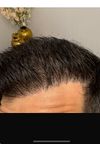
A user is treating hair loss with oral finasteride, topical minoxidil, and tretinoin mixed with moisturizer for easier scalp application. They also plan to use a derma pen weekly.
User ronopibf discusses Fagron TrichoTest, a genetic test for hair loss, and seeks opinions on its effectiveness. Some users support the service, while others call it a scam, with prices ranging from $200-$500.
Bimatoprost (Latisse) may help with hair thinning but is expensive and less effective than minoxidil or finasteride. Combining treatments like minoxidil, finasteride, and possibly RU58841 could be more effective for hair loss.
The DNA Trichotest is considered unreliable for predicting hair loss treatment responses, and topical spironolactone is questioned for its effectiveness and safety in cis males. Finasteride and Dutasteride are recommended as more reliable treatments for androgenic alopecia.
A 23 year old female who experienced Telogen Effluvium due to stress 4 years ago, but her hair is still not back to normal. She is looking for treatments such as Minoxidil and dermarolling that may help with the thinning patches in her hair.
Transplanted hairs are thinning after switching from topical to oral minoxidil, with increased shedding and miniaturization. The user is considering reintroducing topical minoxidil and has started using ketoconazole shampoo.
A 25-year-old female is experiencing hair loss and has tried PRP, Minoxidil 5% with Biotin, and weekly needling sessions. Her doctor suggested switching to GFC treatment and stopping the needling sessions due to increased shedding, which may be caused by Minoxidil.
The user has been using a combination spray with 0.1% finasteride, 5% minoxidil, and tretinoin for over a year but feels their hairline has worsened. They are considering increasing the concentration of finasteride and adding 5% minoxidil once a day.
The user is using topical finasteride, minoxidil, nizoral shampoo, and microneedling for hair regrowth but hasn't seen results after 2-3 weeks. They added tretinoin to their routine and are advised to wait a few months for potential changes.
A 35-year-old male uses topical minoxidil, spironolactone, and microneedling for hair loss, with spironolactone prescribed based on a DNA test indicating poor response to finasteride and dutasteride. Despite concerns about the test's validity and spironolactone's side effects, he reports stable or improved hair condition and no low testosterone symptoms.
The user is using a topical spray with finasteride and minoxidil, red light therapy, and ketoconazole shampoo for hair loss, and is considering waiting a year before getting a hair transplant. Other users suggest microneedling, using oral treatments, and investing in a laser helmet for better results.
The conversation is about disappointment with hair loss progress despite using treatments like finasteride, minoxidil, nizoral, tretinoin, and a dermaroller. Direct sunlight revealed more hair loss than expected, prompting continued treatment and hope for improvement.
A user shared their experience with telogen effluvium triggered by a keratin treatment, leading to significant hair loss. They found improvement using aloe vera with rosemary, a protein and iron-rich diet, and patience.
The Shiseido/Replicel RCH-01 trial results were disappointing and ineffective. Users expressed skepticism and frustration, suggesting alternatives like Tsuji or simply accepting baldness.
Dermal incision with verteporfin is being explored as a potential hair loss treatment by dermatologist Melissa Toyos, with promising before-and-after photos shared on social media. The conversation discusses its potential effectiveness compared to other treatments like Minoxidil, Finasteride, and RU58841.
The user is using dutasteride, oral minoxidil, and topical minoxidil with tretinoin for hair loss. They are considering whether to continue this treatment or opt for a hair transplant for their temples.
The user has been using minoxidil, finasteride, a laser cap, and ketoconazole shampoo for hair loss without success and is seeking advice on further tests or treatments. They have a family history of hair loss and have not yet undergone dermatologist or trichology tests.
Hair loss has slowed, but uneven growth and kinking persist despite using keto/nizoral shampoo and clotrimazole. Stress and anxiety might be contributing factors.
The user experienced hair loss due to a crash diet and later developed scarring hair loss. They are now on finasteride, oral minoxidil, LDN, Zyrtec, and Oztela to reduce scalp inflammation and promote hair regrowth.
Chronic Telogen Effluvium can be managed by avoiding inflammatory foods, exercising, staying hydrated, and using supplements like krill oil, saw palmetto, or licorice root. Minoxidil is discouraged due to its cost and potential for worsening hair loss, while castor oil is recommended to strengthen hair roots and reduce shedding.
Tretinoin combined with minoxidil may improve hair regrowth, especially in difficult areas like temples, but requires diligent scalp cleaning. Some users suggest oral minoxidil as a more potent and less irritating alternative.
The user is experiencing thinning at the temporal points and has been using minoxidil, dermarolling, and a mixture of natural oils to improve hair growth. They are considering finasteride as a potential treatment based on shared information.
The conversation discusses severe hair loss, possibly due to telogen effluvium or male pattern baldness, lasting over three years. Suggested treatments include minoxidil, finasteride, and dermarolling, with a recommendation to consult a dermatologist.
The conversation discusses using Bimatoprost for eyebrow regrowth and its potential use on the hairline, with concerns about cost and side effects. Alternatives like topical Minoxidil are mentioned, but the user is worried about aging and acne.
The conversation discusses hair thinning potentially linked to gut health issues and suggests biotin as a possible treatment. It also mentions that hair thinning could be due to male pattern baldness (MPB).
Finasteride, Minoxidil, Bioneer CosmeRNA, Technoderma, Kintor, Hope, Breezula, and Follicum treatments showed increases in hair count, with Technoderma showing the highest increase at 24.3 hairs/cm². Amplifica has not yet published results.
A trichologist prescribed Biotrade Sebomax HR Anti-Hair Loss Tonic, Spectral DNC-N Nanoxidil, Hairfollic Him/Man Vitamins, and Bosley MD DHT blocking supplements instead of finasteride due to potential risks at age 21. The user questions the legitimacy of the treatment and considers seeking a second opinion.