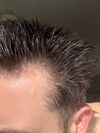
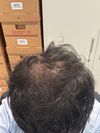
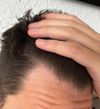
A 20-year-old is using a topical solution with finasteride, minoxidil, and tretinoin for hair thinning. They seek advice on application, duration, and potential results.
The user started oral minoxidil, finasteride, and later switched to dutasteride, also using Nutrafol, dermastamp, and ketoconazole shampoo, but experienced increased thinning with little regrowth. Others advised patience, suggesting it takes 6-18 months to see results, and noted that initial thinning is normal when switching treatments.
The user started dutasteride and oral minoxidil but saw no improvement in crown hair regrowth. Users suggest increasing the minoxidil dose and seeking a second opinion.
The conversation discusses using very low dose topical finasteride to achieve specific serum DHT reduction percentages. It concludes that finasteride dosage increases linearly between 5-30% DHT reduction but requires exponential increases for reductions up to 70%.
The user underwent three hair transplants over five years, totaling 6,500 grafts, and uses a topical solution with minoxidil and finasteride. The procedures were performed at Medikliniek in Amsterdam, with some donor hair taken from the beard during the last surgery.
The user stopped using finasteride and RU58841 and is considering CB-03-01 for androgenic alopecia but is concerned about the cost and effectiveness, especially at a lower dose than in clinical trials. They are also using minoxidil, micro-needling, and nizoral shampoo but are unsure about the correct application method for CB-03-01.
The user is using oral Minoxidil, oral Dutasteride, microneedling, and RU58841 for hair loss, noticing slow progress with small hairs appearing. They are inconsistent with microneedling frequency, sometimes doing it weekly or skipping weeks.
The conversation is about someone's six-month hair transplant outcome, with a user suggesting the use of finasteride and minoxidil to improve hair growth. Another user commented on the poor condition of the donor hair area.
A user shared progress pictures showing significant hair improvement using finasteride and minoxidil, expressing satisfaction with the results. Another user accused them of having a hair transplant.
A 24-year-old male experienced hair loss regression after 3.5 years on topical finasteride and minoxidil. He is considering switching to topical dutasteride or oral finasteride due to concerns about side effects and is seeking advice on the efficacy of these treatments.
The user has been using dutasteride for 8 months, oral minoxidil for 3 years, and topical minoxidil on temples, with recent microneedling. They experienced thinning after switching from finasteride to dutasteride and are hoping for improvement by the 12-month mark.
User with diffused thinning hair prefers receding temples, as hair transplant could fix it. Finasteride and minoxidil suggested to improve hair density.
The user has been using 5ar inhibitors for 3 years to combat hair loss, starting with Finasteride and then switching to Dutasteride. They also use topical Minoxidil and microneedling as part of their routine, and have seen improvements in their hairline.
A 26-year-old is experiencing worsening hair thinning despite using dutasteride 0.5 mg and oral minoxidil 5 mg, alongside ketoconazole for seborrheic dermatitis. Users suggest patience, as results may take 12–18 months, and consider increasing the dutasteride dosage or consulting a dermatologist.
The user has experienced hair regrowth using finasteride, minoxidil, dermarolling, and nizoral shampoo, but is considering a hair transplant due to advanced hair loss. Others suggest checking the donor area and considering a reputable surgeon for a potential transplant.
The user is experiencing increased hair thinning and shedding despite using oral dutasteride, oral minoxidil, topical dutasteride, and ketoconazole shampoo. Many recommend considering a hair transplant or embracing baldness, as current treatments seem ineffective.
A 28 year old man's 18-month journey to treat his hair loss with Dutasteride, RU58841, Minoxidil, Microneedling, Nizoral and T/GEL. He experienced some side effects along the way, including translucent semen and scalp less oily.
A user shared their hair loss treatment journey, using topical Minoxidil, Finasteride, Tretinoin, and Stemoxydine, and asked for feedback on progress after one month. Responses varied, with some users suggesting patience and consistency, while others noted minimal visible change.
A user shared their 7-month progress on hair regrowth using a regimen of dutasteride, minoxidil, stemoxydine, microneedling, and keto shampoo. They noted significant improvement, particularly in vellus hair growth, and discussed the potential addition of RU58841, though they experienced side effects with it previously.
The conversation discusses a botanically derived treatment for androgenetic alopecia using ingredients like saw palmetto, green tea, and evening primrose, showing impressive results over 270 days. Concerns include the study's uncontrolled nature and potential product motivation, with suggestions to enhance absorption through derma rolling.
The user switched from finasteride to dutasteride while on TRT to protect against hair loss but is experiencing thinning hair. They are unsure if the issue is due to dutasteride or TRT.
A 38-year-old female is experiencing hair loss despite having almost undetectable DHT levels after using dutasteride. Suggestions include checking for PCOS, thyroid issues, adjusting diet, considering the impact of birth control, and trying treatments like tretinoin, redensyl, retinol, and minoxidil with derma stamping.
The user experienced significant hair regrowth using a combination of minoxidil, finasteride (later switching to dutasteride), and tretinoin over two years. They noticed regrowth almost immediately, with no major initial shedding phase, and reported recession and diffuse hair loss patterns.
The user is experiencing positive hair regrowth results after 3 months using finasteride and minoxidil both orally and topically, along with biotin and ketoconazole. They also use a shampoo containing caffeine and biotin.
So maybe vitamin D is important here
This conversation discussed the user's successful results from a combination of treatments, including finasteride, minoxidil, ketozolin shampoo, Vitamin D and biotin. The discussion also included advice about frequency and dosages for these treatments.
The user is using topical Minoxidil, finasteride, dermastamp, and Nizoral shampoo for hair loss and is considering continuing the treatment. Suggestions include possibly switching to dutasteride, oral Minoxidil, adding tretinoin, and considering a hair transplant for better results.
The user is using finasteride, minoxidil, and ketoconazole shampoo for hair loss and stopped derma stamping to prepare for a future hair transplant. They are considering adding tretinoin to their treatment.
Treatments for hair loss, including topical dutasteride minoxidil, tretonin, dermarolling, serioxyl, and redensyl over a period of 3 months; switching from RU58841 to pyrilutamide was suggested with potentially less risk of systemic side effects; and encouragement to not give up hope.
The conversation is about someone using Dutasteride, oral Minoxidil, and Tretinoin for hair loss, and they also stopped antipsychotics and treated an H. pylori infection. They feel there has been progress in their hair growth over two months.
A user underwent a hair transplant with 3500 grafts at WSC clinic in Istanbul and uses finasteride, biotin, multivitamins, minoxidil with finasteride, biotin shampoo, and coconut oil with peppermint oil for hair loss treatment. Another user commented that the result looks like a barren patch of hair.