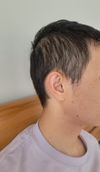
OP is experiencing significant hair loss despite GFC and PRP treatments and has abnormal lab results. They are advised to consult a hair-focused dermatologist for further evaluation.
The user treated seborrheic dermatitis and hair loss with a routine including sulfate-free tea tree oil shampoo, ketoconazole shampoo, minoxidil foam, microneedling, and supplements like Omega-3 and Vitamin-D. They experienced significant hair shedding initially but saw improvement over a year.
The user is experiencing excessive hair thinning and is unsure of the cause. They are seeking opinions on treatments like Minoxidil, finasteride, and RU58841.
The user uses Toppik hair fibers to thicken their hairline and has switched from finasteride to dutasteride and oral minoxidil, noticing more hair thickening. Most responses indicate the hair fibers are not noticeable, and many suggest the user doesn't need them as their hair looks natural and good for their age.
The user plans to enhance their hair loss treatment with oral minoxidil, finasteride tablets, laser cap therapy, and various supplements. They are also considering a hair transplant and exploring reputable sources for these products.
The user experienced rapid hair thinning on top of the head after two GFC treatments, despite using topical minoxidil for four years. Hair on the sides and back became thicker, leading to confusion and questioning of the treatment decision.
A user achieved significant hair regrowth from Norwood 3 to a dense Norwood 2 after five months using oral dutasteride, oral minoxidil, and a topical solution with minoxidil, retinoic acid, and hydrocortisone. The user reported no side effects and found the topical treatment especially effective for the hairline.
The user mixed tretinoin with minoxidil and noticed hair regrowth after three months, despite initial dryness. Their regimen includes 0.5mg dutasteride every other day, daily topical minoxidil with 0.025% tretinoin gel, and ketoconazole shampoo twice weekly.
The user is experiencing increased hair shedding after one year of using oral dutasteride. They are seeking opinions on their DHT test results, which show levels below baseline.
User shared 9-month hair regrowth progress using a Fin/Min spray from HIMS, with additional microneedling. Other users praised the results and discussed the effectiveness of topical treatments.
The user showed 2-3 years of hair regrowth progress using oral finasteride, topical minoxidil, and microneedling. They plan to switch to oral dutasteride and Liposomal Minoxidil Sulfate for better results.
The user shared progress pictures after three months of using RU58841, finasteride, and OM (oxidative stress modulators) for hair loss treatment. They haven't noticed much change but are seeking feedback on their results.
User shared progress with 3 months on topical minoxidil, 1 year on finasteride, and micro-needling every couple of weeks. Others praised hair growth and shared reactions.
A user is concerned about hair loss despite using finasteride and minoxidil, noting changes in hair under a microscope after one week. Others suggest patience, as hair treatments take months to show results, and recommend focusing less on microscopic changes.
A user is using minoxidil, finasteride, and tretinoin for hair regrowth. They are advised to be patient for results and to check for vitamin deficiencies.
The user is managing hair loss with oral finasteride, recently switching to dutasteride, and topical minoxidil, but faces challenges due to seborrheic dermatitis. They seek advice on effective regrowth methods that don't worsen their condition, with suggestions including various shampoos like Vichy Dercos and ketoconazole.
A 30-year-old male is using a regimen of dutasteride, minoxidil, ketoconazole shampoo, tretinoin cream, and microneedling for hair regrowth. He reports no side effects and has noticed visual improvement after one month.
A user's 3-month update on their hair loss treatment, which consists of topical Minoxidil (6%), topical Finasteride (0.3%) and microneedling 1.5mm weekly; other users shared positive feedback and asked about the specifics of the treatments being used, such as product/brand, frequency, side effects and areas for microneedling.
A user's progress with hair loss treatments over 5 months, using topical finasteride (0.3%) and minoxidil (6%), as well as weekly microneedling sessions; other users have asked questions about the results and offered compliments.
Dutasteride might be better for hairline due to varying levels of 5AR activity in scalps. Genetic tests can determine if finasteride is enough or if dutasteride is needed.
The user is using topical finasteride, minoxidil, nizoral shampoo, and microneedling for hair regrowth but hasn't seen results after 2-3 weeks. They added tretinoin to their routine and are advised to wait a few months for potential changes.
A hair loss regimen that includes oral dutasteride and topical minoxidil, as well as occasional dermapen treatments; the user inquires about when they noticed most regrowth.
The user is using topical Minoxidil, oral Finasteride, and daily vitamins for hair loss treatment and is happy with the progress. Others share their experiences and discuss the effectiveness and availability of these treatments.
The post discusses a DIY Dutasteride Mesotherapy procedure for hair regrowth, supplemented with oral Minoxidil. The user describes the process, including preparation, equipment used, and initial results, expressing excitement for future outcomes.
A user shared 4-month progress pictures using a daily Hims fin/min/ketoconazole/biotin hybrid spray for hair loss, reporting positive results. Suggestions included adding microneedling to the routine.
A user shared their positive experience with hair regrowth using finasteride, minoxidil, derma stamping, castor oil, biotin shampoo, and a hair lotion over 12 months. They noticed fuller hair and encouraged others to remain consistent with their treatments.
A 36-year-old experienced significant hair regrowth using dutasteride, oral and topical minoxidil, and keto shampoo, and plans a hair transplant for further improvement. Despite progress, they seek hairline restoration and have scheduled a transplant of 3,000 grafts.