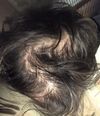
The user is considering using dutasteride or finasteride for hair loss and has recurrent folliculitis. Another user suggests treating the folliculitis and notes diffuse thinning.
A 24-year-old man shared his 4-month hair regrowth progress using 5% Minoxidil once daily, 1mg Finasteride every other day, weekly 0.5mm microneedling, Biotin, and multivitamins. Commenters suggest adding Tretinoin could enhance results, while others express happiness for his improvement.
The conversation discusses the difference between the commercially available Pyrilutamide and the version in clinical trials. It also mentions treatments like Minoxidil, finasteride, and RU58841 for hair loss.
Stem-cell hair transplants could potentially create thousands of grafts from a single donor graft, offering a solution for hair loss with DHT-resistant hair. Companies like Stemson Therapeutics and OrganTech are working on this technology, which may become available in the future, possibly reducing the cost and making it widely accessible.
The user reported significant hair regrowth after seven months using topical minoxidil 5% combined with 0.1% finasteride and weekly micro needling. The community responded positively, noting visible improvement and discussing the effectiveness of topical versus oral finasteride.
A user shared a 6-month hair loss progress update using a topical solution containing finasteride, minoxidil, ketoconazole, and biotin. They experienced no side effects and found applying the solution with a q-tip more effective than spraying.
A user shared their hair restoration journey using oral and topical finasteride, experiencing side effects with the former. They later switched to microneedling, scalp massages, and vitamins (D3, Zinc, Biotin, B complex, Vitamin E) with mixed feedback on progress.
The user discusses a galenic hair lotion containing progesterone, estradiol, cyproterone, hydrocortisone butyrate, and cetirizine pheniramine, which has effectively stopped their hair loss over two years. They are curious about the compatibility of finasteride with the lotion's components and note that their trichologist has successfully used minoxidil and finasteride in similar treatments for others.
The conversation discusses GT20029, a compound by Kintor Pharma that degrades androgen receptors and is in trials, with potential as a hair loss cure. Another promising treatment mentioned is an antibody that blocks prolactin and has shown positive results in macaques.
The user has been using dutasteride for 8 months, oral minoxidil for 3 years, and topical minoxidil on temples, with recent microneedling. They experienced thinning after switching from finasteride to dutasteride and are hoping for improvement by the 12-month mark.
A 27 year old's 3-month progress with topical finasteride and minoxidil solution, combined with weekly Nizoral shampoo. Replies to the post discuss the user's results, which are considered impressive, as well as the regimen used.
The user shared progress after using 5% minoxidil twice daily, 0.2% topical finasteride once daily, Nizoral shampoo thrice weekly, and microneedling weekly for hair loss. They observed thicker hair after 12-14 months and are curious about further improvement.
The user improved diffuse thinning without finasteride by using minoxidil foam, cold showers, gentle hair drying, 2% ketoconazole, sulfate-free tea tree oil shampoo, dermastamping, and supplements like Omega-3, Vitamin-D, Biotin, Keratin, Collagen, B3, Zinc, and Magnesium. The regimen was followed for about six months under dermatologist guidance.
The user experienced regrowth and stabilization in hair density using finasteride, minoxidil, a derma roller, and an LLLT helmet, but noticed a recent decline in hair quality. They only take finasteride orally and are unsure about the effectiveness of the LLLT device.
The user shared progress after 3.5 months using topical finasteride (0.2%) and minoxidil (5%), noting thicker hair despite a receding hairline. They plan to consider a hair transplant in the future and found applying treatments easier on a shaved head.
A user's 12 month progress on finasteride and 10 months of microneedling for hair loss treatment, which has resulted in improved temple areas with no side effects from the finasteride. They have not used minoxidil yet but are considering it for further gains. DHT blocking drugs such as finasteride and dutasteride are recommended to maintain regrowth results.
Red light therapy with dual wavelengths (650nm and 850nm) can stimulate hair regrowth without DHT blockers. Consistent use of a panel with these wavelengths has shown positive results in hair regrowth.
A user shared their hair regrowth progress using Dutasteride, topical Minoxidil, Spironolactone, and Estradiol Valerate injections as part of hormone replacement therapy for transitioning. They experienced significant hair improvement and personal satisfaction but caution against this approach for non-transitioning individuals due to irreversible changes.
How easy it is to fake hair growth, and the skepticism of progress pictures on the subreddit. Some treatments mentioned include finasteride, minoxidil, microneedling, Toppik/Hair Fibers, Dermmatch and a hair transplant.
The user shared progress pictures showing significant hair growth after using minoxidil, dutasteride, and ketoconazole shampoo. They reported seeing results in 1.5-2 months and discussed the effectiveness of oral treatments over topical ones.
A person had a successful hair transplant in Turkey with 3200 grafts using FUE and DHI techniques, and is satisfied with the results after 9 months. They have been using finasteride for 7 years to maintain hair health.
The user is asking if they are seeing hair regrowth after using 0.05% tretinoin, minoxidil, 1.25mg finasteride, weekly dermarolling, and ketoconazole three times a week. They are seeking feedback on their routine.
A user shared their 6-month progress using 1mg finasteride, daily minoxidil, 1.5mm microneedling twice a week, biotin, and Nizoral shampoo, showing significant hair regrowth. Other users were impressed, noting the regrowth resembled a hair transplant.
User noticed black dots along the hairline and temples, questioning if it's regrowth. They are using a regimen including Dutasteride, oral and topical Minoxidil, and a compounded topical treatment.
The user is treating hair loss with a regimen including Dutasteride, oral and topical Minoxidil, microneedling, and various supplements for overall health. They are considering adding tretinoin, stemoxydine/RU, DIM, Boron, and Fadogia Agretis to their routine.
A user is considering a solution with 7% minoxidil, 0.25% finasteride, and 0.0125% tretinoin for hair loss, as suggested by their dermatologist. Other users share their experiences with similar treatments, noting mixed results and suggesting stronger alternatives like dutasteride.
The conversation is about experimenting with topical exosomes for hair loss treatment, alongside microneedling, Happy Head's gel-like topical, and Ordinary's hair serum. The user also mentions the availability of treatments like latanoprost and Redensyl.
The user has been using a combination of 0.3% topical finasteride, minoxidil, ketoconazole, and microneedling once a week for two months with positive results and no side effects. They apply the treatment daily using a spray and have short hair, which makes application easier.
PTD-DBM therapy for hair loss is being developed by Dr. Kang-Yell Choi, with human testing planned in South Korea. Some clinics in the U.S. offer PTD-DBM/valproic acid therapy, but it hasn't completed trials yet.