Search
for
Sort by
Community Join
300-330 / 1000+ resultscommunity got some vellus after a good shed on 0.1% latanoprost
Users discussed hair loss treatments, specifically 0.1% latanoprost with melatonin, caffeine, and biotin. Other treatments mentioned include minoxidil, finasteride, RU58841, and microneedling.
community Hairline change after 1y3m on fin+min+microneedling
The user "Expliced" shared their progress pictures after using finasteride, minoxidil, and microneedling for 1 year and 3 months. Another user mentioned that using a high-definition camera with flash and sharpening the photo can show new hairs appearing sooner.
community Hair Multiplication Photos from Koehler Lab at Harvard
The conversation discusses hair loss treatments, specifically mentioning Minoxidil, finasteride, and RU58841, and highlights hair multiplication research from Koehler Lab at Harvard. Users express optimism about future advancements.
community Verteporfin update - donor hair regeneration human trial
A human trial of verteporfin, a potential treatment for hair loss, with some users noting potential improvements in scarring and overall healing compared to control areas.
community Progress pictures – three years
A user shared progress pictures of their hair over three years, using 1 mg oral finasteride, 5% topical minoxidil twice daily, keto shampoo 4-5 times a week, and derma stamping 2-3 times a week. They recently added oral minoxidil and will update with future results.
community Sup Chooms?! One year of treatment!!
A user shared their one-year hair loss treatment progress using oral finasteride, topical finasteride/minoxidil, and microneedling, reporting no current side effects and significant hair improvement. They also use Head & Shoulders for dandruff control and recommend consistency in treatment.
community 30yo, Dut 0.5mg/day, min 5% once/day, biotin 1000mg 3times/week, derma once/week, anaphase+ 2times/week, nizoral 2 times/week
A 30-year-old uses Dutasteride, Minoxidil, biotin, dermarolling, Anaphase+ shampoo, and Nizoral for hair loss. Some commenters question the need for such extensive treatment given the minimal hair loss.
community What is the consensus on topical tretinoin mono therapy?
The conversation discusses the effectiveness of topical tretinoin as a monotherapy for hair loss, with users suggesting it may not be as effective as minoxidil or finasteride. The original poster is considering other options like a phenol peel and is concerned about the risks of derma rolling.
community Hypertrichosis Photos from Oral Minoxidil
A user shared their experience with oral minoxidil and finasteride for hair loss, taking 7.5mg of minoxidil and experiencing excessive hair growth all over their body without major side effects. Some users suggested lower doses for safety, while others shared their own experiences with hair growth in different areas and side effects.
community Progress photos ( Full protocol in description )
The user is using 5% Minoxidil, a 1 mm derma stamp, Vitamin D3, Zinc, and anti-dandruff shampoo for hair regrowth. They plan to consider DHT blockers like finasteride in the future.
community New treatment? Minox + Bimatoprost
A user discussed a new hair loss treatment combining 5% Minoxidil with Bimatoprost 0.3mg/ml, applied once daily. They referenced a study suggesting Bimatoprost may be more effective than Minoxidil.
community Topical Finasteride and Minoxidil results after 1 year
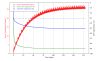
community Research Backed Dutasteride Simulator (Serum/scalp DHT included for all doses)
A Dutasteride Simulator predicts serum dutasteride, serum DHT, and scalp DHT levels using models from research papers. It simulates various dosing schedules to determine steady-state effects and visualizes outcomes, including hair growth-related scalp DHT suppression.
community March 21st vs July 9th! Topical fin, minox, latanoprost, and biotin
The user "cooler1082" shared their progress pictures for hair loss after using topical finasteride, minoxidil, latanoprost, and biotin. Other users commented on the positive results and asked about the specific dosages used. One user mentioned that latanoprost is an eye medication that has shown some potential for treating hair loss.
community 9 months of treatment as an aggressive diffuse thinner
The user has been using oral minoxidil, dutasteride, RU58841, and other treatments for hair loss over nine months, seeing some improvement in hair thickness and crown volume but continued thinning at the hairline. They plan to continue treatment for another nine months despite being sensitive to DHT fluctuations and are considering increasing dosages or other options like a hair transplant.
community When results are great, but you're looking for excellent
The user improved hair density from 45% to 70% using dutasteride and minoxidil, but still uses hair fibers for a fuller look. They added a topical mix of minoxidil, finasteride, and bimatoprost, but doubt further significant improvement.
community Am I A Good Candidate for a Procedure?
The user is using a topical solution with finasteride, minoxidil, and other ingredients, along with a red light laser cap and dermapen, to address hair thinning. They are considering a hair transplant but are advised to try dutasteride and oral minoxidil for 12 to 18 months before deciding.
community My topical dutasteride experience
User tried various hair loss treatments, including natural remedies, topical and oral finasteride, RU with stemoxydine, and topical dutasteride. All treatments had side effects, and topical dutasteride thickened hair but also caused side effects.
community Did these tests—any of these linked to diffuse thinning?
A 25-year-old male experiencing diffuse thinning is advised to address high TSH levels and low iron, and consider treatments like finasteride. Weight loss and improved diet are also suggested to potentially help with hair health.
community HLT Megathread on HMI-115 (key takeaways in comments)
HMI-115, a newly discovered hair loss treatment that could potentially be effective for those with diffuse thinning and telogen effluvium. It is based on prolactin receptor antagonist signaling and has already undergone Phase I trials in women, with potential commercialization by 2027.
community 3 month(ish) update using topical minoxidil and once a week derma-stamping. May add ketoconazole shampoo
The conversation discusses hair loss treatments, specifically the use of topical minoxidil and derma-stamping, with suggestions to add finasteride or dutasteride for better long-term results. Ketoconazole shampoo is also considered for scalp health.
community SCUBE3 video, link below. Nothing new but it’s something to watch
Hair loss discussion includes treatments Minoxidil, Finasteride, and RU58841. UC Irvine scientists discover possible baldness cure.
community : 3-Year Transformation: How adding an LLLT Cap finally stabilized my 200+ hair/day shed (Fin/Min/Niz/LLLT)
Adding an LLLT laser cap to a routine of finasteride, minoxidil, and ketoconazole shampoo significantly reduced hair shedding from 200+ hairs a day to around 80, improving scalp health. The user attributes the laser cap as the key factor in stabilizing hair loss after two years of using other treatments.
community DNA test result is incredible !
The conversation discusses a personalized hair loss treatment plan based on DNA test results, recommending Minoxidil, Dutasteride, 17-alpha Estradiol, Cetirizine, and PRP sessions. The test identifies a high risk of hair loss due to DHT but a good response to Minoxidil, suggesting a tailored approach to treatment.
community 3.5 Month Diffuse Thinning Progress ( Same lighting attempt)
community Will vellus hairs in thinning areas go terminal if you go all out?
A trans woman is using finasteride, minoxidil, microneedling, and HRT to address hair loss, with noticeable improvement in hairline shape and presence of vellus hairs. She is considering hair transplants if these treatments don't yield desired results within a year or two.
community Hair disappearing after one week (microscope photos)
A user is concerned about hair loss despite using finasteride and minoxidil, noting changes in hair under a microscope after one week. Others suggest patience, as hair treatments take months to show results, and recommend focusing less on microscopic changes.
community Predict if You'll Shed and Responding to Treatment: Ultrasound Imaging Technology
Ultrasound imaging can predict hair shedding and assess hair growth stages by analyzing hair follicle characteristics. The conversation also discusses using ultrasound for personal hair analysis and mentions the potential use of infrared emission for hair treatment.
community Progress pics march 2022 vs june 2023, 7 months dutasteride after only maintaining on fin for 6 months.
User maintained hair with finasteride for 6 months, then switched to dutasteride for 7 months, using DHT blocking shampoo, keto 2% shampoo, and microneedling. Significant hair growth observed, especially on right temple.