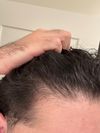
User is impressed with 3-month progress using Hims oral finasteride, minoxidil, and biotin. Encouragement to view hair loss treatment as a long-term strategy.
The post and conversation are about a user claiming to be 137 years old with a full head of hair. Specific treatments mentioned include dutasteride, RU58841, and minoxidil.
A new brand is seeking 10 U.S.-based individuals aged 25+ experiencing hair loss to test a topical product containing GHK-Cu and Acetyl Tetrapeptide-3. Participants must not be using other treatments like finasteride or minoxidil and will provide feedback and photos.
A 21-year-old is using a combination of topical finasteride, topical and oral minoxidil, a liquid multivitamin, collagen powder, liquid biotin, microneedling, and red light therapy to address hair thinning. They are cautious about side effects and unsure if their hair loss is due to DHT or past brushing habits.
The conversation is about choosing effective hair loss treatments, specifically discussing RU58841, 5% minoxidil, copper peptides, microneedling, finasteride, dutasteride, and Tretinoin. The user seeks advice on the best topical treatments and prefers to use only 1-2 products.
KX826 shows promise as a hair loss treatment with a 10% increase in hair count, but concerns about Kintor's marketing practices and the systemic effects of treatments like GT20029 and RU58841 remain. Users express skepticism and hope, with some preferring traditional treatments like finasteride and minoxidil.
RU58841, oral and topical minoxidil, finasteride, and ketoconazole shampoo led to significant hair regrowth, though some suspect a hair transplant. Concerns about RU58841's side effects, like anxiety and heart issues, were discussed.
L'Oreal Serioxyl and Garnier Fructus Stemoxydine are compared for effectiveness in hair loss treatment. The user considers switching from Serioxyl to the cheaper Garnier Fructus but is unsure about its effectiveness and stemoxydine percentage.
The user is experiencing hair loss, possibly due to androgenetic alopecia and seborrheic dermatitis, and has tried ketoconazole shampoo without success. They are hesitant to use finasteride due to potential side effects and are seeking advice on managing their condition.
A 20-year-old is experiencing aggressive hair loss and is using oral finasteride, topical minoxidil, tretinoin, rosemary oil, and dermarolling in an attempt to manage it. They are concerned about their appearance and future hair loss, seeking advice on additional treatments.
The post is an update on the user's hair loss journey. They have a strong hair follicle that has remained unaffected by hair loss for almost 3 years. The user is starting finasteride and using ketoconazole, alfatradiol, and oral castor oil for hair maintenance.
The conversation discusses the availability of Breezula, a drug for hair loss, now being sold as an acne treatment, and whether it can be applied to the scalp. Users express skepticism about new hair loss treatments and suggest waiting for FDA approval.
A 17-year-old experiencing aggressive hair loss since December 2023 is using finasteride, vitamin D, and a biotin supplement but cannot use minoxidil due to dandruff. They have also undergone two PRP treatments and are seeking further advice.
The conversation is about experimenting with topical exosomes for hair loss treatment, alongside microneedling, Happy Head's gel-like topical, and Ordinary's hair serum. The user also mentions the availability of treatments like latanoprost and Redensyl.
The user experienced hair regrowth using a topical solution containing 5% minoxidil and 0.1% finasteride, despite an initial shedding phase. They reported no side effects and noted significant improvement in hair density, particularly around the crown area.
The user is using micro needling, MinFin topical, daily oral minoxidil, and keto shampoo for hair regrowth. They are seeking advice on additional methods to enhance results.
The conversation is about using microneedling for hair loss treatment, including questions on disinfection and post-treatment care. The user mentions using oral minoxidil and finasteride, and considering dutasteride.
The conversation discusses managing hair loss and seborrheic dermatitis with treatments like minoxidil, finasteride, and saw palmetto, emphasizing the importance of scalp health and DHT reduction. The user shares personal experiences and suggests a balanced approach, combining topical treatments and lifestyle changes for effective hair regrowth.
The user tried non-finasteride treatments for a year with little success, but has seen some improvement in hair thinning after 10 months using topical finasteride/minoxidil. They also use microneedling, Nizoral, rosemary/castor oil treatments, and maintain a nutrient-rich diet.
The user is experimenting with a mix of topical treatments, including finasteride and minoxidil, to improve hair growth, particularly at the temples and core. They are also trying various oils, despite skepticism about their effectiveness, to see if they can enhance results without causing harm.
A user has been using Stemoxydine (Kerastase Cure Densifique) along with finasteride, rogaine 5% foam, nizoral, and revian red lllt for hair loss but needs a new Stemoxydine product since Kerastase discontinued theirs. They are seeking recommendations for a similar alternative.
The user is experiencing thicker hair after using oral minoxidil, dutasteride, biotin, collagen shampoo with rosemary, and ketoconazole. They are considering adding a derma roller to their regimen for potential benefits.
The conversation is about skepticism towards a product marketed as a "DHT BLOCKER" for hair loss, with users suggesting it is a scam and recommending proven treatments like finasteride and minoxidil. Other suggestions include lifestyle changes like a healthy diet, exercise, and stress reduction.
A user shared their experience with telogen effluvium triggered by a keratin treatment, leading to significant hair loss. They found improvement using aloe vera with rosemary, a protein and iron-rich diet, and patience.
The user experienced significant hair growth over three months using topical Minoxidil, microdosing Finasteride, microneedling, and ketoconazole shampoo. They also use Toppik hair fibers and Aveda hair thickening tonic for styling.
The user switched from minoxidil to a homemade 2-deoxy-d-ribose gel and noticed no hair fall after two weeks, despite stopping minoxidil. The gel includes water, 2-deoxy-d-ribose, vegetable glycerine, 2-phenoxyethanol, sodium alginate, and rosemary oil, and the user reports healthier-feeling hair.
The user experienced hair regrowth using finasteride, oral and topical minoxidil, and RU58841, despite initial shedding. They also transitioned from finasteride to dutasteride and addressed scalp issues with a folliculitis shampoo.
A potential non-invasive topical treatment targeting the WNT Signaling Pathway for hair regeneration is being researched, with positive results on human hair follicle cells. Current effective treatments for hair loss include Minoxidil, finasteride, and hair transplantation.