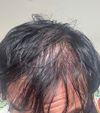
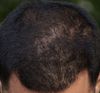
User experienced rapid thinning on crown, used dutasteride for 3 months with significant improvement. Microneedling and ketoconazole were also used, but no minoxidil or finasteride.
Scalp inflammation may contribute to hair thinning, with treatments like ketoconazole shampoo potentially helping by reducing inflammation. Some users report that DHT blockers and other treatments like finasteride, minoxidil, and RU58841 can alleviate symptoms associated with inflammation.
A 29-year-old male shared his hair loss journey, using oral finasteride, topical minoxidil, derma rolling, and recently switching to dutasteride, oral minoxidil, and ketoconazole shampoo. He observed significant regrowth but progress slowed, hoping new treatments will enhance results.
A user's progress pictures showing visible hair growth results from taking Finast and Minoxidil, as well as using microneedling, Nizoral, and a multi peptide serum for hair density. The conversation also discussed how DHT is the cause of diffuse thinning.
A user shared a new hair loss treatment protocol including topical dutasteride, latanoprost, caffeine, minoxidil, tretinoin, and triamcinolone acetonide. Others discussed the effectiveness and availability of these treatments, with some suggesting simpler oral alternatives.
A 21 year old male who has been taking finasteride, minoxidil and ketoconazole for 3.5 months with minimal side effects and successful hair regrowth. Genetics also seem to play a role in the user's hair loss.
Mixing tretinoin gel with Minoxidil for hair application is discussed, with suggestions to mix per application to avoid clogging and degradation. Some users apply tretinoin cream to the hairline and use Minoxidil and finasteride, noting potential irritation on the crown.
Tretinoin can cause non-telogen hair loss in some men by inducing catagen-like changes in hair follicles and through retinoid toxicity, especially when used with minoxidil. Some users report hair loss even when using retinoids on the face, while others experience benefits when combined with treatments like finasteride and minoxidil.
The user has been using a Phoenix 2-in-1 pill (1mg finasteride with 3mg minoxidil), nizoral ketoconazole shampoo, and derma rolling for 9 months but continues to experience hair shedding. They are considering adding Rogaine foam and are curious about low-level laser caps for better results.
The user has been using finasteride for 6 months with decent results and recently added topical minoxidil. They are concerned that salicylic acid in their skincare products might reduce minoxidil's effectiveness.
Significant hair regrowth was achieved using a topical combination of 0.3% finasteride and 6% minoxidil, with weekly dermastamping and ketoconazole shampoo, without side effects. Others suggested additional treatments like red light therapy and PRP.
The user is seeking advice on treating male pattern baldness (MPB) while dealing with seborrheic dermatitis, specifically asking about the use of finasteride (Fin) and minoxidil (Min). They are concerned about side effects and are looking for recommendations to improve overall hair thickness, especially on the crown.
The user has been using finasteride, ketoconazole shampoo, oral minoxidil, and minoxidil foam for hair loss but feels their hair is not as thick as desired. They have stopped using RU58841 due to lack of results and are concerned about hair miniaturization despite these treatments.
The conversation discusses enhancing Minoxidil absorption for hair loss treatment using Tretinoin and MSM (Methylsulfonylmethane). The user is seeking sources for Tretinoin and mentions MSM's potential to improve the absorption of topical agents.
TDM-105795 showed promising hair growth results, with higher efficacy than placebo and minimal side effects. It activates dormant hair follicle stem cells and may maintain gains without immediate loss, unlike minoxidil.
A user noticed worsening hair thinning and started using rosemary oil, jojoba oil, a 1.5mm dermastamp, 1% ketoconazole shampoo, scalp massages, and vitamin D tablets. They may switch to Minoxidil and Finasteride if needed.
Tretinoin can make minoxidil more effective for hair loss treatment, but some users did not see improved hair density with this combination and had better results with dutasteride.
The user noticed thicker hair and reduced dandruff after using Nizoral 2% (ketoconazole) every few days, alongside topical minoxidil 5% for over a year. They plan to reduce Nizoral use to once a week to avoid scalp irritation.
The conversation discusses hair loss treatments for a woman experiencing androgenetic alopecia and seborrheic dermatitis, with suggestions including low-dose oral minoxidil, dutasteride, and hormone replacement therapy. The user is seeking advice due to intolerance to spironolactone and topical minoxidil, and concerns about low testosterone and DHT levels.
A 20-year-old male using Minoxidil and finasteride for 6 months and keto shampoo for 5 months saw initial improvement in dandruff, but the condition returned. He recently started using 3% salicylic acid shampoo and seeks advice for persistent dandruff, which is oily and localized to the left side of his scalp.
The conversation discusses using TH16, a topical melatonin with resveratrol, and stemoxydine for hair maintenance, avoiding finasteride and minoxidil due to side effects. The user is considering a low-dose topical finasteride despite sensitivity.
The conversation discusses the difficulty of applying tretinoin 0.025% cream on the scalp and considers switching to a gel for easier application. It also mentions that a liquid solution, ideally combined with minoxidil, may be more effective for hair treatment.
The user is considering using dutasteride or finasteride for hair loss and has recurrent folliculitis. Another user suggests treating the folliculitis and notes diffuse thinning.
A 26-year-old male with high testosterone is experiencing diffuse hair thinning despite using a comprehensive treatment regimen including dutasteride, oral minoxidil, RU58841, ketoconazole shampoo, microneedling, and low-level laser therapy. Suggestions include adjusting dutasteride dosage, monitoring iron levels, and consulting a dermatologist for further evaluation.
L. reuteri, a probiotic, is being explored for its potential benefits in treating androgenic alopecia, possibly enhancing finasteride's effects and reducing inflammation. The user combines this with finasteride, oral minoxidil, and other supplements, noting some improvement in hair loss.
A 20-year-old female with PCOS is experiencing hair loss and excessive facial hair. She is using ketoconazole and caffeine shampoos, microneedling, and considering anti-androgens like finasteride, but is cautious about minoxidil due to facial hair concerns.
A 30-year-old male is considering using dutasteride and fluridil for hair loss maintenance and is curious about the effectiveness of topical spironolactone, as he cannot take finasteride. He is also planning a hair transplant.
Topical minoxidil with tretinoin is causing redness, stinging, and flaking on the scalp. Reducing application frequency and using anti-dandruff shampoo may help alleviate symptoms over time.
The user is discussing their hair loss treatment progress, using topical Minoxidil, oral Finasteride, derma stamping, and Ketoconazole shampoo. Some replies express skepticism about the results, while others show support or comment on the presentation of the progress pictures.
Tretinoin is not commonly linked to hair loss and can enhance the effects of Minoxidil. Users recommend starting with lower doses and gradually increasing to avoid scalp irritation.