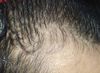
A 20-year-old is using a topical solution with finasteride, minoxidil, and tretinoin for hair thinning. They seek advice on application, duration, and potential results.
The conversation is about using a topical spray containing minoxidil, finasteride, and tretinoin for hair regrowth over six months, with positive results and minimal side effects. The user also mentions using biotin and alpecin, and discusses the benefits of topical application over oral forms.
User experiencing hair loss tried Minoxidil, Finasteride, Microneedling, Ketoconazole shampoo, and Biotin. Others suggest continuing current treatment for 1-2 years before considering Dutasteride and RU58841.
The conversation discusses hair loss treatments, specifically Minoxidil, finasteride, and RU58841. Users are asked to share their experiences with Pyri/Koshine.
The user has been using finasteride for 7 months and is inquiring about Thrive's hair serum, which contains redensyl, procapil, and anagain, seeking feedback from others who have used it.
The user is using Dutasteride, Nizoral, and RU58841 for hair loss and is considering mixing RU58841 with Stemoxydine for better scalp coverage but is concerned about the potential degradation of RU58841 when mixed with a water-based solution. They are seeking advice on the feasibility of this mixture.
The user has been using oral finasteride daily, topical minoxidil twice a day, tretinoin once a week, and 2% ketoconazole twice a week since February 5th. They shared progress pictures showing hair improvement over two and a half months.
A user shared their 5-month hair loss treatment progress using 1mg finasteride, topical minoxidil, biotin, Nizoral shampoo, and weekly dermarolling. Replies noted the user's hair was already thick, and there was interest in trying topical minoxidil.
The user is experiencing scalp itching from a PG ethanol base in their hair loss treatment, which includes 0.025% finasteride and 2.5% minoxidil, and is seeking alternatives without PG or ethanol. Suggestions include Zeuss non-PG foam and Ulo, which do not use PG or hydrocortisone.
Finding acceptance of hair loss through psychedelics, and the potential benefits of shrooms. Discussions include sharing experiences with minoxidil, finasteride, nutrafol, laser therapy, micro needling, as well as mental health concerns such as depression, suicidal thoughts, and self-esteem.
A user tried a Korean hair loss shampoo and treatment set, noting it improved scalp and hair quality but lacked ingredient details. Other users expressed skepticism about its effectiveness, suggesting it might not significantly impact hair loss.
Tretinoin alone has led to hair regrowth in the temples and hairline. The user is considering oral minoxidil or dutasteride but prioritizes health first.
The user is experiencing thicker hair after using oral minoxidil, dutasteride, biotin, collagen shampoo with rosemary, and ketoconazole. They are considering adding a derma roller to their regimen for potential benefits.
Clascoterone is promising for hair loss, showing 24.5% improvement in satisfaction compared to placebo. Users consider it an alternative to finasteride, with concerns about absorption and side effects.
A 20-year-old is using finasteride, minoxidil, biotin supplements, and ketoconazole shampoo for hair loss but is disheartened by the lack of progress. A user suggests using fewer treatments and being cautious with ketoconazole in winter.
The user experienced thicker hair with finasteride and new hair growth with minoxidil and 2% ketoconazole shampoo. They reported no side effects from finasteride.
The user experienced hair regrowth using finasteride, oral and topical minoxidil, and RU58841, despite initial shedding. They also transitioned from finasteride to dutasteride and addressed scalp issues with a folliculitis shampoo.
User noticed beard and sideburn hair loss, and thinning eyebrows, diagnosed with alopecia barbae and male pattern baldness, and prescribed Desonide cream. User seeks feedback on Desonide cream.
A 20-year-old male experienced significant hair shedding for nearly 10 months, despite using finasteride, oral minoxidil, and ketoconazole, and is concerned about chronic telogen effluvium. He has been supplementing with vitamins and minerals but remains unsure of the cause.
The user improved their hair density and reduced scalp visibility by using 1% ketoconazole shampoo, 1mg finasteride, and 5% minoxidil, which increased their confidence. Replies discuss the effects of these treatments, with one clarifying that minoxidil does not affect hormones but finasteride does.
The conversation is about choosing between RU58841 and topical spironolactone for hair loss treatment. The user is currently using a topical solution with minoxidil, alfatradiol, and progesterone, and is concerned about side effects and effectiveness of both RU58841 and spironolactone.
A 27-year-old man shared his hair regrowth progress after using finasteride for 4 years, recently adding a solution of RU58841 with minoxidil and alfatradiol, tretinoin on temples, and occasional ketoconazole. He is seeking opinions on his treatment approach.
After 2 months of using minoxidil and finasteride twice daily, along with ketoconazole shampoo 2-3 times a week, progress in hair condition is shown. The user shares pictures to document the changes.
Minoxidil is causing severe scalp irritation, including itchiness and dryness, for the user. Alternatives suggested include anti-fungal treatments, propylene-glycol-free formulations, and possibly oral minoxidil.
The user has been using Finasteride for hair loss and is considering adding alphatradiol, stemoxydine, or 2% minoxidil to their regimen. They are concerned that stemoxydine, which shortens the resting phase of hair, might accelerate hair loss in those not using Finasteride by depleting hair cycles without strengthening miniaturized hairs.