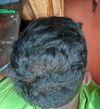
A 31-year-old is happy with hair regrowth and thickening after using 0.5 mg dutasteride daily and 5% topical minoxidil. Initial results appeared in six months, with continued improvement over time.
A user experienced a significant drop in testosterone levels after taking finasteride, leading to side effects like low libido and muscle mass loss. Despite its effectiveness for hair, the user decided to stop finasteride due to its impact on hormones, preferring to be bald.
The user is seeing progress in hair regrowth using a combination of 8% minoxidil, 0.25% dutasteride, and 0.01% tretinoin. The conversation includes comments on the effectiveness and application of these treatments.
A 25-year-old is considering treatments for hair regrowth, including ketoconazole shampoo, 5% Minoxidil, Minoxidil with Tretinoin, and possibly ordering RU58841. They are hesitant about using Dutasteride or Finasteride due to perceived risks but are motivated to regrow hair to improve appearance due to visible veins from low body fat.
The user experienced initial success with topical finasteride 0.025% and melatonin but noticed rapid hair thinning after three months. They are considering switching to a higher dose of topical finasteride or oral finasteride, as advised by others, while being cautious about potential side effects.
The conversation discusses using topical liposomal finasteride for hair loss, with concerns about high DHT levels. The user's DHT level is above the normal range, which may affect hair health.
A user suggests that a .25% topical finasteride solution could reduce scalp DHT levels without affecting bloodstream DHT levels, potentially avoiding sexual side effects. They question why a 2.5% solution was chosen and if a custom .25% solution can be ordered.
A 38-year-old man reports positive results using topical Minoxidil 5% and infrared therapy for hair regrowth over four months, along with Saw Palmetto and Pumpkin Seed Oil supplements. Others suggest adding Finasteride for better maintenance and discuss the role of DHT blockers.
KX-826 is being discussed for hair loss treatment, with users debating between 0.5% and 0.9% solutions and foam. Some report side effects like headaches, while others see no changes; it blocks androgen receptors without reducing DHT levels.
A 26-year-old African American male is experiencing hairline recession and thinning despite using 0.5mg finasteride daily and topical minoxidil. He is considering increasing finasteride dosage, returning to twice-daily minoxidil, or switching to dutasteride for better results.
An 18-year-old experiencing diffuse hair thinning since 8th grade seeks advice. They are concerned about having less hair than their 52-year-old father and are looking for treatment options.
A 23-year-old male shared his 5.5-month progress using 5% topical minoxidil foam for hair regrowth, considering adding finasteride despite concerns about side effects. Users advised starting finasteride to maintain gains, with some suggesting topical options to minimize side effects.
A 28-year-old male has been using 5% minoxidil, derma stamping weekly, and daily scalp massages to address hair loss. He is hesitant to use DHT inhibitors like finasteride or dutasteride despite suggestions from others.
The user added 0.5mg dutasteride to their regimen of topical finasteride and minoxidil but experienced rapid hairline recession despite reduced hair fall. Suggestions included increasing the dutasteride dosage to 1mg daily to better suppress DHT and potentially adding oral minoxidil.
The conversation discusses finding a finasteride dosage that reduces DHT by about 25% to minimize side effects, with considerations for topical versus oral formulations. Alternatives like dutasteride mesotherapy and topical treatments are explored, with concerns about systemic absorption and potential impacts on athletic performance and hormone levels.
A 31-year-old male is using a hair loss treatment routine that includes daily 0.5mg dutasteride, 5% minoxidil, microneedling, biotin, vitamin D, omega-3 supplements, and alternating shampoos to restore hair density. He reports no side effects or noticeable regrowth yet but feels optimistic about the process.
A 21-year-old male with a thyroid condition noticed his hair thinning uniformly without a receding hairline. He is considering using a 5ARI to prevent further baldness if he starts TRT.
Topical dutasteride, particularly at 0.05%, shows greater hair density improvement than oral finasteride over 24 weeks, though hair thickness gains are similar. Some users report side effects with topical treatments, but others find them effective for maintaining hair without significant systemic absorption.
The conversation discusses using a lipodermal solution for hair loss, with concerns about side effects from multiple active ingredients. Users mention experiences with minoxidil, finasteride, and dutasteride, noting side effects like brain fog and sexual issues.
The user wants to try using 0.025% topical finasteride every day by diluting their 0.1% topical finasteride with alfatradiol, and is asking if it's possible to mix them or if there are other options. They heard that alfatradiol might not be suitable for this purpose.
Switching from finasteride and minoxidil to dutasteride and minoxidil can potentially lead to over 40% improvement in hair thickness in some cases, especially in young individuals who have plateaued after initial success. Generally, a 20% improvement is expected after six months.
The user shared progress on hair restoration using dutasteride, oral minoxidil, and 2800 grafts, noting significant improvement in hair thickness and coverage. They discussed the importance of continuing DHT blockers like finasteride or dutasteride post-transplant to prevent further hair thinning.
Sugary beverages increase the risk of pattern hair loss in men by 57%, and type 2 diabetes is linked to female pattern hair loss. Reducing sugar intake and using treatments like finasteride and minoxidil may help manage hair loss.
The conversation is about hair loss treatment progress using a combination of 0.1% finasteride, 0.025% tretinoin solution, and 2.5mg oral minoxidil. Users express positive reactions and hope for similar results.
Quitting vaping significantly reduced hair loss for a user who was a heavy vaper and also taking finasteride. Some participants suggest nicotine's vasoconstrictive properties may worsen hair loss, while others share personal anecdotes of hair improvement after quitting smoking or vaping.
Dutasteride raises scalp testosterone by 99%, which may not be ideal for those sensitive to all androgens. Some argue finasteride's balancing act might be better, while others believe dutasteride is superior for hair regrowth.
A 28-year-old male experiencing diffuse thinning and miniaturization around the ears and back has tried finasteride, dutasteride, and both topical and oral minoxidil without success. He is seeking advice on identifying the type of hair loss and next steps since current treatments are ineffective.
A 24-year-old shares six months of hair loss treatment progress using oral finasteride, oral minoxidil, derma-stamping with topical minoxidil, and keto shampoo. The user is pleased with the results and plans to continue for another six months before considering a hair transplant.
The individual is experiencing hair loss due to insulin resistance (IR) and is seeking advice. They are currently using a keto diet, supplements, exercise, and plan to add metformin to their regimen.
The conversation is about the effectiveness of 0.25% topical finasteride compared to other concentrations and forms. Users discuss its potential for better scalp DHT reduction and fewer side effects, with some preferring topical over oral treatments.