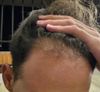
After one month of treatment with finasteride, minoxidil, dermarolling, ketoconazole shampoo, hair vitamins, and vitamin D3, the user reports minimal visual progress and increased shedding, but notes stronger body hair and light fuzz on eyebrows. The user is inquiring about potential hair regrowth.
An 18-year-old is concerned about hair thinning and is considering starting Minoxidil and finasteride. They are seeking advice on whether to begin these treatments.
A 23-year-old experiencing severe diffuse thinning after scalp inflammation is considering finasteride as a last resort after stopping minoxidil and using anti-inflammatory medication. Users suggest that inflammation causes temporary shedding and recommend consulting a dermatologist, with some advocating for finasteride as a reliable treatment option.
A 22-year-old is experiencing aggressive hairloss despite using minoxidil and finasteride and is considering a hair transplant but lacks funds. The discussion includes advice on treatments like dutasteride, microneedling, and lifestyle changes, with mixed opinions on the timing and effectiveness of a transplant at a young age.
The user is using oral finasteride, oral minoxidil, ketoconazole shampoo, and various supplements to stabilize hairloss and thicken hair. They are considering using minoxidil foam on their beard to address empty patches but are concerned about side effects.
A 28-year-old male experiencing early male pattern baldness is considering using Pyrilutamide (KX-826) as an alternative to finasteride due to side effects. He seeks to maintain his current hair without regrowth and is concerned about potential side effects like reduced libido.
A 35-year-old man had a hair transplant in 2019 but experienced further hairloss due to not using finasteride or minoxidil. Many suggest shaving his head or considering a hair system, as his donor area is depleted and further transplants may not be viable.
The user is seeking advice on improving their hairline, currently using dutasteride 0.5mg/day and oral minoxidil 5mg/day for 14 months. They want to avoid a hair transplant and are concerned about thin hair and receding temples.
Gut microbiome imbalances can cause scalp inflammation and affect hair follicles, potentially leading to hairloss. Treatments include finasteride, peptides like BPC-157, TB-500, KPV, and lifestyle changes such as diet and exercise.
Beard to scalp hair transplants can provide 12,000-15,000 grafts for coverage, with fast recovery time. However, beard hair may grow curly and not suitable for frontal areas.
Hairloss may be linked to DHT, which can both suppress and increase inflammation, potentially as a defense mechanism. Treatments like Minoxidil, Finasteride, and RU58841 are discussed, but the exact cause of hairloss remains unclear.
A user's 20 year journey with hairloss and the treatments they have used to manage it, including finasteride, minoxidil, a custom Strut Blend of Dutasteride, Minoxidil, Tretinoin, and Biotin, Nizoral shampoo, multivitamins, Vitamin D, B Complex, Dim, Clomid, exercise, diet, laser helmet, Toppik dark brown, and topical Finasteride. The user also talks about their successful life, lack of desire for children and high sperm count due to Clomid.
The user is experiencing hair shedding after using minoxidil and is considering switching to dutasteride while planning to increase their oral minoxidil dose. They also use nicotine pouches, Vyvanse, and GHK-Cu, and have noticed thicker eyebrows and lashes from oral minoxidil.
The user has been using Minoxidil for 2 months and Finasteride for 1 month to address hairloss, particularly at the temples. They are questioning whether the new small hairs are facial hairs or new scalp hair.
The conversation discusses managing hairloss and scalp issues, with users sharing experiences using treatments like dutasteride, finasteride, ketoconazole, sulfur soap, and topical anti-androgens. Suggestions include trying sulfur soap, scalp massages, spironolactone, and dietary changes to reduce sebum production and dandruff.
The conversation is a satirical discussion about a baby with hairloss using adult hairloss treatments like finasteride, minoxidil, and ketoconazole, as well as dermarolling, scalp massages, and plans for PRP sessions. Suggestions include various other treatments and humorous advice, reflecting the satire of the situation.
The user is concerned about hairloss despite taking finasteride and has a hair transplant scheduled. They experience scalp itching and burning, which hasn't been relieved by various treatments, and another user suggests using ghk-cu & ahk-cu serum and Koshine kx-826/pyrilutamide for relief.
Hairloss has slowed or stopped after 5 months of daily oral minoxidil and finasteride treatment, with ketoconazole shampoo used twice a week. Noticeable thickening is observed, especially on the mid scalp.
A user who had two hair transplants and is still concerned about their crown area, despite other people reassuring them that it looks normal. The advice given was to use Minoxidil, Finasteride, SMP, and to consider speaking with a therapist.
A woman who is experiencing Female Pattern Baldness and struggling to cope with it; she has tried a few treatments but is not satisfied with the results and feels like her femininity has been taken away from her. The conversation includes advice on possible treatments such as Minoxidil, Finasteride, RU58841, and lifestyle changes.
Hairloss was triggered by a testosterone and Masteron cycle, causing scalp tension and shedding. Topical finasteride, RU58841, and oral minoxidil were used to stop shedding and improve scalp condition.
Minoxidil helps hair growth on both scalp and face, but stopping it leads to hairloss on the scalp, not the face. The user questions why scalp hair can't be maintained with finasteride or androgen blockers after stopping minoxidil, despite these treatments reducing DHT damage.
The user began experiencing hairloss at 14 and is now starting treatment at 18 with a topical solution of 10% minoxidil-finasteride and ketoconazole shampoo. Oral finasteride was not recommended due to potential effects on growth, and microneedling will be considered after four months.
A 24-year-old male reported a 7-month hairline recovery using 0.5mg of dutasteride daily with no side effects. Another user suggested adding minoxidil to the treatment.
A user shared progress pictures after 50 days of using finasteride, topical minoxidil, and ketoconazole shampoo for hairloss, noting significant hair growth and expressing surprise at the results. They plan to continue the treatment and possibly incorporate a dermastamp and increase minoxidil application if growth plateaus.
Methods of treating hairloss, such as using Minoxidil and Finasteride, as well as the potential use of RU58841. People have shared their experiences with these treatments, discussing the success of them in aiding hair growth.
Minoxidil helped with temple regrowth, and finasteride improved overall hair appearance and stopped further hairloss. Minoxidil was also applied to eyebrows and eyelids, with noticeable gains, but was stopped on the beard due to bloating.
A user shared their 6-month update on hairloss treatment, using daily Dutasteride, oral and topical Minoxidil, Ketoconazole shampoo, topical Finasteride, dermastamping, and PRP treatments. They reported improved hair quality but no significant regrowth or density increase, and plan to continue the regimen for another year before considering a hair transplant.
The conversation is about seeking user experiences with Traya for hairloss treatment, focusing on the effectiveness and convenience of its doctor, diet, and product approach. The user is conducting research and requests feedback on what worked or didn't work.