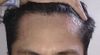
Hair regrowth and gender transition using finasteride, estrogen, and spironolactone. Significant hair regrowth and personal transformation were achieved through hormone replacement therapy.
Oral minoxidil and spironolactone helped restore the hairline but not the scalp behind it. Hairline and temples often respond first to treatment, with mid-scalp and crown following later.
The user has been using Dutasteride and oral Minoxidil for hair loss but hasn't seen desired results and is considering Advanced PRP with autologous exosomes. Some users suggest these treatments are scams, while others discuss increasing Dutasteride dosage or exploring other options like low-level laser therapy.
The user is experiencing diffuse androgenic alopecia and is trying various treatments, including 5mg finasteride, loniten, and Formula 82D, which contains dutasteride, a steroid, and tretinoin. They report potential regrowth with Formula 82D, despite previous treatments being ineffective.
PP405 might take 3-4 years to be available, but some claim Everychem offers a similar product, though its effectiveness is debated. Users discuss the risks of using untested grey market products and the potential for adverse effects.
The conversation discusses hair loss and queries the effectiveness of treatments like PRP, Exosome therapy, peptides, and Stem Cell therapy. Specific treatments like Minoxidil, finasteride, and RU58841 are also mentioned.
The conversation discusses updates on hair loss treatments, specifically GT20029, PP405, and a rumored injectable peptide from UT. GT20029 is seen as a promising treatment expected within 5-7 years.
The conversation discusses treating male pattern baldness in a transgender woman using cyproterone acetate, finasteride, and biotin. The original poster shared their experience for others who might be in a similar situation.
Combining spironolactone with koshine might enhance the effect of blocking androgen receptors for hair loss treatment. The user suggests adding crushed spironolactone pills to koshine.
Late 20s woman struggles with worsening hair loss and tried various treatments without success. Now trying spironolactone and ketokonazole shampoo, hoping for improvement.
The user is experiencing scalp itching from a PG ethanol base in their hair loss treatment, which includes 0.025% finasteride and 2.5% minoxidil, and is seeking alternatives without PG or ethanol. Suggestions include Zeuss non-PG foam and Ulo, which do not use PG or hydrocortisone.
Epibiotech will offer off-the-shelf allogeneic hair multiplication treatment in South Korea, using dermal papilla cells from donors to grow hair in balding areas. This method is cheaper and less invasive than traditional hair transplants.
The conversation speculates on whether Tom Cruise uses hair loss treatments like Finasteride or Dutasteride, with some suggesting he naturally has good hair like Brad Pitt, while others joke about Scientology or genetics playing a role. Specific treatments mentioned include Finasteride, Dutasteride, and possibly high-quality hair products or procedures like PRP (Platelet-Rich Plasma).
A user suggests making a potent sulforaphane topical to degrade DHT and promote hair growth. Another user notes that sulforaphane's low molecular weight might also lower systemic DHT.
Verteporfin may improve hair transplant outcomes and reduce scarring, potentially allowing patients to avoid finasteride. Dr. Barghouthi seeks collaborations, volunteers, and financial support for research on verteporfin.org.
The conversation is about a user preparing to join the ABS-201 clinical trial for hair loss treatment, which involves a prolactin inhibitor. The user plans to update others on their progress if enrolled.
The user is using Minoxidil, Finasteride, Nizoral, Nutrafol supplements, and PRP sessions for hair loss treatment. They are concerned about the effectiveness of these treatments and whether they should continue or consider a hair transplant.
A user is trying 2-deoxy-D-ribose with distilled water for hair growth, observing new hair and skin pigmentation changes. Others compare it to Minoxidil, expressing interest and caution about its effectiveness and safety.
The user did not respond to minoxidil and is considering using tretinoin to improve results. They also explored finasteride, microneedling, adapalene, red light therapy, and oral minoxidil as potential treatments.
The user is dissatisfied with their hair transplant results from Asli Tarcan, citing poor donor area management and insufficient graft density. They advise against opting for cheaper procedures and express hope for future hair cloning solutions.
Using a topical formula with 5% minoxidil and 0.01% retinoic acid is considered effective, as tretinoin can enhance minoxidil results and improve scalp health.
User is using minoxidil with tretinoin 0.025% and experiencing peeling and burning on the scalp. They are unsure if it's effective or if they are using it too frequently.
The user is experimenting with a zinc sulfate and B6 topical solution called "Zix" for hair loss, alongside using a zinc oxide scalp mask and low-level laser therapy (LLLT). They report minimal hair loss after three months of use and are seeking feedback from others who have tried similar treatments.
PP405 is expected to be a promising addition to hair loss treatments, potentially working well with existing treatments like finasteride and minoxidil, but not as a standalone solution. Users are hopeful for its effectiveness, especially in combination with other treatments, though expectations vary.
Hair cloning and new treatments like ET-02, Veradermics (vdphl01), and wound-induced hair neogenesis show promise but are not yet widely available. Current effective treatments include minoxidil, finasteride, and dutasteride, with early intervention being crucial for better outcomes.
A user is making their own dutasteride solution using MCT oil but is concerned about its effectiveness and bioavailability. They are considering using propylene glycol or adding ethanol for better results, while others suggest the current dosage might be excessive.
Adding tretinoin can enhance the effectiveness of minoxidil by increasing sulfotransferase levels, making it beneficial for hair growth. However, it may not be necessary if using oral minoxidil.
The conversation is about choosing between RU58841 and topical spironolactone for hair loss treatment. The user is currently using a topical solution with minoxidil, alfatradiol, and progesterone, and is concerned about side effects and effectiveness of both RU58841 and spironolactone.
Follicopeptide (FOL005) by Coegin Pharma will launch as a cosmetic hair growth treatment by Q2 2025, showing similar efficacy to finasteride. Users discuss the benefits and skepticism of releasing hair loss treatments as cosmetics rather than drugs.