The conversation discusses hair loss treatments, specifically mentioning Minoxidil, finasteride, RU58841, and TB-500 Thymosin Beta-4. It critiques the credibility of biohacking claims.
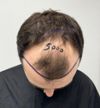
A 36-year-old considering a fourth hair transplant is advised to either shave his head or use a hair system due to poor results from previous transplants and late medication use. He plans to consult top surgeons and adjust his current treatments, including finasteride and minoxidil.
At 4 months post hair transplant, the user is taking oral minoxidil and finasteride, and progress is on track. Users suggest the results are good, with some recommending patience and others offering hair care advice.
Rating treatments for hair loss, with the help of GPT-4, according to efficacy, evidence and tolerability; a combination of chemicals from research papers, custom compounds, and some suggestions from other users were included.
The user had a hair transplant with 2000 grafts in the frontal and mid-scalp areas and has been using finasteride and minoxidil for 3 months. The crown area is expected to improve with continued treatment, and results are generally positive so far.
The user shared a 4-month update on their hair regrowth journey using finasteride, minoxidil, and microneedling, reporting significant progress and styling ability. They emphasized persistence, shared their regimen details, and addressed side effects like weaker erections and blurry vision, which improved with lifestyle changes.
A user experienced significant hair regrowth after 4 months using topical finasteride and minoxidil, along with dermastamping and biotin supplements, without side effects. They are not considering a hair transplant due to the success of this regimen.
The conversation is about hair loss treatment progress using a combination of 0.1% finasteride, 0.025% tretinoin solution, and 2.5mg oral minoxidil. Users express positive reactions and hope for similar results.
The user experienced significant hair regrowth and improved hair density after four months using finasteride, minoxidil, and microneedling, avoiding the need for a hair transplant. They plan to continue their current routine due to positive results and are not considering switching to dutasteride.
A user shared impressive progress at 4 months post-hair transplant with 5120 grafts by Dr. Ahmet Yildirim in Istanbul. The user expressed satisfaction with the results, which exceeded expectations.
A user shared their 4-month hair transplant progress with 3740 grafts, showing before and after pictures. They had a generally good experience, except for the anesthesia part.
A 23-year-old shares progress in hair quality after 4 months using dutasteride, topical minoxidil, and other treatments, noting improved crown thickness but persistent temple thinning. They switched from finasteride to dutasteride due to side effects and started testosterone replacement therapy, which they believe helps mitigate side effects.
The conversation is about a user who had a hair transplant with 2,850 grafts and switched from finasteride and topical minoxidil to oral minoxidil and dutasteride for better results. They are hopeful for full results in a year.
User shared positive results after 4 months using 1.25mg finasteride, topical minoxidil, daily biotin, and weekly dermarolling. They expressed gratitude to another user for the advice.