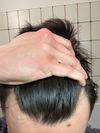
Switching from finasteride to dutasteride and oral minoxidil led to thicker hair and reduced hairline recession. Occasional flushing from minoxidil will be managed by lowering the dose.
The conversation discusses skepticism towards unconventional hair loss remedies, emphasizing the effectiveness of proven treatments like oral DHT blockers, topical minoxidil, and finasteride. It criticizes misleading advice and highlights the importance of starting effective treatments early.
A 21-year-old is experiencing hair thinning at the crown and has seen improvement with Minoxidil. They are considering adding Finasteride to stabilize hair loss but are concerned about potential side effects.
The conversation discusses preventing hair loss during detransitioning, with suggestions to use finasteride or dutasteride as DHT blockers. The user is also considering rosemary oil and monitoring testosterone levels.
A 25-year-old is struggling with hair loss despite using treatments like oral Minoxidil, oral and topical Finasteride, Dutasteride, and PRP sessions. They feel frustrated with inconsistent treatment strategies and are seeking advice on managing thin hair and regaining confidence.
Hair shedding decreased significantly after using finasteride and minoxidil, with users reporting fewer hairs falling out when running fingers through their hair. Some users experienced initial shedding with treatments like dutasteride, but shedding eventually stopped or reduced significantly.
A 23-year-old user shared progress pictures after 12 months of using 1.25mg finasteride daily, reporting reduced hair shedding and considering adding 2.5mg oral minoxidil for further improvement. The discussion includes potential side effects of oral minoxidil, with users advising caution and monitoring under medical supervision.
A 42-year-old man shares his positive experience with minoxidil and finasteride for maintaining a healthy crown despite some flaking. Users discuss the effectiveness and appearance of his hair, with some suggesting Nizoral for flake management.
A user shared their 1-year and 3-month hair loss treatment progress using 0.5mg Dutasteride daily, topical and then oral Minoxidil, and microneedling, noting hair darkening and some side effects like watery semen and testicular pain. Despite initial setbacks after switching to oral Minoxidil, they are seeing progress and plan to increase the dosage.
The user has been using finasteride and minoxidil for 8 years and recently started dutasteride, but still experiences thin, see-through hair. Suggestions include adding probiotics, changing hairstyle, checking hormones, supplementing vitamin D3, trying laser therapy, and improving gut health.
The user shared their one-year hair growth progress using a daily Fin/Min chewable tablet, noting some inconsistency in usage but still achieving results. They use Head & Shoulders shampoo and have not mentioned any side effects.
The user underwent a DHI hair transplant with 3,066 grafts at Hairtec in the Netherlands and is using finasteride and minoxidil to restore hair, particularly at the crown. They plan to adjust minoxidil dosage and consult with a dermatologist in September.
A 22-year-old underwent a hair transplant in Bangkok, using 2,500 grafts, and has been using dutasteride and minoxidil to stabilize hair loss. The user chose the procedure to enjoy youthful confidence, despite some opinions that it's too early for a transplant.
A user shared progress pictures after 40 days of using topical finasteride, minoxidil, and KX-826 following a hair transplant. They previously used Polaris NR-11, which contains finasteride and minoxidil, and experienced significant hair regrowth.
Switching from topical to oral minoxidil caused acne breakouts, leading the user to revert to topical use. Finasteride was also used, but acne was suspected to be linked to oral minoxidil.
A user shared their 5-year experience using minoxidil and finasteride, noting significant hair improvements without side effects. Consistency, a positive mindset, and lifestyle changes like a healthier diet and better sleep were key to their success.
The conversation discusses reducing hair fall by addressing dandruff with anti-dandruff shampoo, regular oiling, and stress management through meditation and yoga. Other users mention using ketoconazole, vitamin D, and finasteride, with some experiencing side effects.
A 19-20-year-old has been using 0.5 mg of dutasteride daily for a year to combat hair loss, avoiding minoxidil due to side effects. They plan to continue this regimen and consider a future hair transplant, experiencing no significant side effects from dutasteride.
New hair loss treatments PP405 and VDPHL01 are discussed with skepticism and hope, alongside existing treatments like minoxidil and finasteride. Users express frustration over limited progress since the 1980s but remain cautiously optimistic.
An 80-year-old man and his 99-year-old father have more hair than many younger people, sparking discussions about hair loss and genetics. The suggested treatment for maintaining hair is simply eating oysters.
A person shared their positive experience with a hair transplant at Sule Hair Transplant in Istanbul, performed by Dr. Selahattin Tulunay using the Hybrid FUE technique with 5,000 grafts, costing €2,990. The user reported significant hair growth and satisfaction at 3, 6, and 12 months post-surgery, without using finasteride or minoxidil, but faced skepticism from others about the authenticity of their post.
A 24-year-old with mild temple recession is using 5% minoxidil without noticeable effects and has started topical finasteride but is anxious about potential side effects. They are considering a specialist visit for peace of mind despite the cost.
Finasteride is more effective for long-term hair maintenance by addressing the root cause of hair loss, while minoxidil acts as a growth stimulant with faster visible results. Combining both treatments is optimal, with oral minoxidil often showing better results for some individuals.
The user experienced hair regrowth over three months using oral finasteride daily, topical minoxidil 5-6 times a week, a weekly derma stamp, and tretinoin 2-3 times a week. The regrowth includes small hairs, attributed to the treatments.
A user is experiencing hair loss despite using topical minoxidil, oral finasteride, and 2% ketoconazole shampoo, and is seeking advice on further treatments. Suggestions include switching to dutasteride, trying oral minoxidil, addressing scalp inflammation, and considering dietary changes and supplements.
Hair loss can cause psychological distress, but maintaining optimism and self-improvement is crucial. Treatments like minoxidil, finasteride, and potential new options like clascoterone offer hope, though side effects can occur.
The user is experiencing negative side effects from a hair loss treatment containing finasteride and minoxidil due to high vitamin B6 content and plans to switch to separate pills without unnecessary vitamins. Another user suggests using a version without B6, noting similar symptoms from finasteride.
Hair growth relies on mechanical forces, not just chemicals, with tissue acting like a motor. Minoxidil and finasteride help, but maintaining tissue elasticity and addressing mechanical issues are essential.
The user experienced side effects like heart palpitations, chest tightness, and fatigue from using 5% minoxidil foam once daily. They are considering switching to a 2% concentration due to lingering symptoms like lightheadedness and brain fog.
A user experienced significant swelling after a hair and beard transplant, possibly due to an allergic reaction or improper post-surgery care. Despite dissatisfaction with the clinic's handling of grafts and customer service, the user appreciates the clinic's skill in achieving natural hairline density.