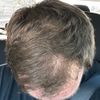
The conversation discusses hair regrowth progress using topical dutasteride with cetirizine, laser therapy, and growth serum. The user observes miniaturized, vellus hairs on the scalp.
A 20-year-old discusses family denial about his hair loss, diagnosed with seborrheic dermatitis, folliculitis, and male pattern baldness. He is prescribed Dutasteride and oral Minoxidil for treatment.
The user shared their 12-month hair regrowth progress using 1mg finasteride, 5mg oral minoxidil, and topical minoxidil. They also used a derma stamp weekly and treated seborrheic dermatitis with Mometasone and Nizoral.
A 29-year-old shared their hair recovery progress using a liposomal topical finasteride/minoxidil solution, LLLT helmet, and vitamins, noting that transplants were only on the hairline. They highlighted the effectiveness of their regimen and addressed skepticism with photos.
A user is experiencing hair regrowth after treating vitamin D, B12, and B9 deficiencies, noticing some improvement after 9 months. They are unsure if further improvement will occur or if they have reached the end of progress, with a possibility of androgenetic alopecia (AGA) being suggested.
Using dermaneedling or dermapen for hair loss while managing seborrheic dermatitis and dandruff. Treatments mentioned include ketoconazole, peppermint and jojoba oil, and rubbing alcohol.
A 35-year-old man with 10 years of hair loss at NRW7 started using topical Minoxidil and noticed some hair regrowth. He plans to continue with Minoxidil, add microneedling, and possibly try topical treatments like finasteride or dutasteride.
The conversation discusses using topical finasteride with propylene glycol, which causes scalp dryness or dandruff. The user also uses Nizoral, Nioxin, and DHT oil, and considers using a scalp conditioner to alleviate dryness.
The conversation is about someone's progress with hair loss treatment using a combination of topical finasteride and minoxidil, and dermastamping once a week. They are considering increasing the dermastamp needle size from 1.25mm to 1.5mm.
A 20-year-old male has been using Minoxidil, Finasteride, and Nizoral for 9 months to treat hair loss. Despite the treatment, he believes his condition has worsened and he's experiencing intense shedding.
The user has been using topical minoxidil and finasteride for hair loss, with some regrowth at the temples but continued hairline thinning. The dermatologist suggested possible telogen effluvium due to stress and deficiencies, prescribed oral minoxidil, and may consider dutasteride if the condition doesn't improve by January 2026.
A dermatologist checked for hereditary hair loss using blood tests and plans to perform a trichogram. The user had slightly low Vitamin D3 levels, and the trichogram may help confirm androgenetic alopecia.
User experienced significant hair regrowth using 1.25mg Finasteride daily and Nizoral once a week for 15 months. Noticeable results appeared after 6 months, with no side effects reported.
The user switched from finasteride to dutasteride in January and noticed increased crown thinning, despite using minoxidil with rosemary, biotin, and castor oil. They are concerned about hair loss and considering visiting a clinic for further advice.
The conversation is about using topical finasteride or dutasteride with a testosterone and NPP cycle for hair loss. The planned treatment includes microneedling, minoxidil, pyrilutamide, and dutasteride applied topically.
A 29-year-old male shares his hair loss treatment progress using dutasteride, minoxidil, dermastamping, and ketoconazole shampoo, while discontinuing RU58841 due to side effects. He is hopeful for hair recovery to consider a hair transplant and discusses potential side effects and experiences with other users.
A user shared their 9-month post-hair transplant results with 4600 grafts, using only Nourkin hair vitamins, Vitamin D, and B12, and expressed satisfaction. The replies debated the necessity of medications like finasteride and minoxidil for maintaining hair health.
A user is upset about hair loss due to seborrheic dermatitis and DUPA, which prevents a hair transplant. They mention using jojoba oil and discuss treatments like Minoxidil, finasteride, and RU58841.
Hair loss theories discussed include poor blood flow, scalp tension, inflammation, and DHT. Treatments mentioned are massaging scalp, minoxidil, finasteride, and RU58841.
The post and conversation are about a user's 6-month progress using topical dutasteride, 8% minoxidil, tretinoin, 2% ketoconazole shampoo, microneedling, oral finasteride, pumpkin seed oil, Vitamin D3, a men's multivitamin, rosemary oil, and 5% minoxidil foam for hair loss treatment.
A person shares their 10-month hair loss treatment progress using finasteride 1.25 mg daily, topical minoxidil 5% daily, weekly dermarolling with a 1.5mm device, and RU58841 for one month, encouraging others not to give up despite slow results. They noticed their progress after comparing past photos.
A 21-year-old experiencing itchy and burning scalp with hair loss was diagnosed with MPB and scalp inflammation. They were prescribed Ketoconazole, Prednisone, Clindamycin, and Finasteride, and are considering trying antihistamines, dietary changes, and "nopoo" to alleviate symptoms.
The user experienced hair loss possibly due to scalp damage and tried natural treatments with limited success. They reported noticeable hair thickening after using a laser treatment device, suggesting it may be effective, especially for those on finasteride.
Hair loss discussion includes treatments like Minoxidil, Finasteride, and RU58841. Users share experiences and support, mentioning that many people face hair thinning.
The post is a 1-year update on hair loss progress using topical minoxidil and finasteride treatments. The user has seen good progress, especially in transitioning from a Norwood 3 to a Norwood 2 hair loss pattern.
A 50-year-old man shared his 3-month hair regrowth progress using a regimen of Nutrafol, Minoxidil/Dutasteride pills and topical solution, dermastamping, and Nizoral shampoo. He noticed significant improvement and received positive comments, despite some increased body hair growth.
A 30-year-old woman with a history of anemia and low vitamin D experienced hair shedding, which improved after addressing nutrient deficiencies. Despite regrowth of terminal hairs, her dermatologist recommended treatments like minoxidil and spironolactone to prevent future bald spots, but she is cautious due to family history of hormone-related cancers.
The user started oral minoxidil, finasteride, and later switched to dutasteride, also using Nutrafol, dermastamp, and ketoconazole shampoo, but experienced increased thinning with little regrowth. Others advised patience, suggesting it takes 6-18 months to see results, and noted that initial thinning is normal when switching treatments.