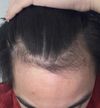
The user switched from finasteride and topical minoxidil to dutasteride, oral minoxidil, and topical minoxidil for 8 months, resulting in hair regrowth. Some users suggest dropping the topical minoxidil.
A user discusses a hair loss treatment combining minoxidil and tretinoin, noting it may enhance absorption. Some users express interest and share positive experiences, while others question its effectiveness without medical evidence.
Hair regrowth and gender transition using finasteride, estrogen, and spironolactone. Significant hair regrowth and personal transformation were achieved through hormone replacement therapy.
The FDA will now require only one clinical trial for drug approval, potentially speeding up the release of hair loss treatments like PP405. Pelage is expected to present full results of PP405 Phase 2a trials and move to Phase III in mid-2026.
The user shared their one-year journey using finasteride and topical minoxidil for hair loss, noting improvements in hair density and quality despite some perceived discrepancies in photos. They also mentioned using a salicylic acid shampoo to control oiliness and discussed the potential benefits of oral minoxidil and microneedling.
Some hair loss may be linked to chromosome 20, which isn't affected by DHT blockers like finasteride. Treatments like minoxidil, microneedling, and genetic testing are suggested, but their effectiveness for this type of hair loss is uncertain.
A sugar gel is claimed to spark hair regrowth, but users express skepticism, noting that minoxidil and finasteride remain the most effective treatments. Many users joke about frequent "breakthroughs" that work on rats but not humans, and some mention the potential of PP405 as a future treatment.
The user experienced hair improvement over a year using finasteride, topical minoxidil, tretinoin, ketoconazole, and microneedling. The hair density and hairline have strengthened with this routine.
OP shared a 1-month progress update on using a topical solution with dutasteride, minoxidil, and tretinoin for hair loss. Users noted regrowth and discussed tretinoin's availability.
KX-826 shows promising results for hair growth with fewer side effects, offering an alternative to finasteride and minoxidil. Users discuss combining it with minoxidil, dermarolling, and Nizoral for improved results.
The conversation discusses Dr. Blake Bloxham's experiment with Verteporfin for hair loss, with one person suggesting more doctors should try it as it seems beneficial. Another comment notes that results at 4-5 months were not very impressive.
A user shares their 11-week progress using 1mg finasteride, 5% minoxidil twice daily, 0.8mm dermastamping every 10 days, occasional tretinoin, and ketoconazole shampoo for hair regrowth. They plan to continue the treatment for 9 months before considering a hair transplant.
The user had a failed hair transplant in 2018, didn't use medication, and experienced severe depression from further hair loss. They started treatment in 2022 with 0.5mg daily finasteride, 2.5mg oral minoxidil, 1ml daily topical minoxidil, and are considering low dose RU58841 and dermarolling.
The conversation discusses the comparison of Pyrilutamide Phase II US trial results with 1 mg finasteride for hair loss treatment. It mentions that the total hair count increase in the US trial was not as good as the China trial.
Pyrilutamide/KX-826 is being discussed for its effectiveness in hair regrowth, with some users reporting positive results, especially in early hair loss cases. Users have combined it with treatments like Minoxidil, and some experienced initial shedding before seeing regrowth.
Oral minoxidil can increase body hair growth, but effects differ among individuals. Some recommend topical minoxidil to prevent unwanted body hair while preserving scalp hair.
The conversation discusses the potential of a new hair loss drug, CB-03-01, with users sharing their experiences and seeking advice on dosages and application methods. One user mentions using topical finasteride, minoxidil, dermarolling, and a clean diet for hair maintenance but is interested in CB-03-01 due to side effects from finasteride.
A 17-year-old is experiencing rapid hair loss from NW1.5 to NW3 in six months and feels dermatologists are unhelpful. They are using Minoxidil (Rogaine) and seeking advice on application.
Hair cloning trials by Stempsen Therapeutics and Hairclone have no updates, and it may take at least 15 years for hair cloning to be available. The conversation also mentions treatments like Minoxidil, finasteride, and RU58841.
First patient dosed with Pyrilutamide (Kintor) Phase III for hair loss treatment. Pyrilutamide differs from approved treatments as it competes with DHT to bind hair follicles, potentially reducing side effects.
The user follows an intensive hair loss protocol including dutasteride, biotin, black tea, pumpkin seed oil, peppermint shampoo, rosemary conditioner, mukemame, soy milk, lycopene, garlic, magnesium, chamomile, spicy food, citrus bergamot, zinc, multivitamins, kefir, and Greek yogurt. They plan to alternate between pumpkin seed oil and safflower oil and will share before and after pictures.
The conversation is about accessing and purchasing RU58841 or Pyrilutamide for hair loss treatment, with mentions of alternatives like Breezula. Users discuss price differences in various countries and suggest websites like rudirect.com for purchasing.
The user has been using finasteride for 7 months and is inquiring about Thrive's hair serum, which contains redensyl, procapil, and anagain, seeking feedback from others who have used it.
The user reports positive progress in hair regrowth using 1mg oral finasteride, 3mg oral minoxidil, biotin, vitamin D, red light therapy, and microneedling. They note thickening at the hairline and some regrowth at the temples.
A 27-year-old male experienced significant hair regrowth in two months using a daily oral 3-in-1 pill containing 1.1mg finasteride, 5mg minoxidil, and 1mg biotin from LockLab, with no side effects reported. The user also uses a derma-stamp twice a week to promote blood flow and stimulate growth.
The brain resists updating its perception of gradual appearance changes, like hair loss, due to its preference for stability and reliance on an internal model. This delay in perception can make changes feel sudden once the brain finally updates its model.
A user shared their 2-month progress on finasteride 1mg daily and weekly derma rolling, showing noticeable hair regrowth. Replies confirm visible improvement, though some attribute it partially to lighting.
Pyrilutamide, a nonsteroidal antiandrogen drug under development for the potential treatment of androgenic alopecia. The conversation discusses its binding affinity to the androgen receptor and the timeline for possible availability after trials are completed in the United States and China.
Hair cloning and new treatments like ET-02, Veradermics (vdphl01), and wound-induced hair neogenesis show promise but are not yet widely available. Current effective treatments include minoxidil, finasteride, and dutasteride, with early intervention being crucial for better outcomes.
A 43-year-old male with advanced hair loss is experimenting with alternative treatments, including red light therapy, microneedling, scalp massages, an oil mix, and ketoconazole shampoo, after previously experiencing side effects from finasteride and minoxidil. He noticed some minor changes with red light therapy but remains skeptical about significant improvement.