A user is asking if a clinic charging $640 for 12 months of hair loss treatment, including their own minoxidil and checkup sessions, is reasonable. They are considering buying minoxidil online instead.
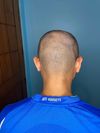
A user's hair growth progress over 5 months using Fin 2.5mg gel and Redensyl serum, with the user noticing baby hairs and an improvement in thickness. Another user asked what redensyl serum was and the response was appreciation for noticing the hair loss early on.
The user experienced side effects commonly attributed to Finasteride without ever taking the drug, suggesting these issues may stem from other life factors. They advise considering other potential causes before blaming Finasteride for such side effects.
Dutasteride may reduce bone mineral density, but there's no increased risk of osteoporosis or fractures compared to finasteride. Users suggest resistance training to counter potential bone effects.
Zinc picolinate and saw palmetto may lower DHT but are less effective than finasteride. Finasteride and minoxidil are preferred treatments, with ketoconazole shampoo as a suggested addition.
Japanese scientists discovered ABM cells, enabling successful human hair follicle cloning, potentially curing hair loss. The treatment may be available in Japan by 2028, but it will be expensive and require travel.
The user is considering hair restoration options after experiencing side effects from Minoxidil and avoiding Finasteride due to concerns about side effects. They are contemplating trying Finasteride or Dutasteride and possibly undergoing a hair transplant.
PP405 is a new hair loss treatment advancing quickly in trials, generating excitement and skepticism about its effectiveness and marketing claims. Some see it as a potential alternative to minoxidil and finasteride, but concerns about long-term effects and the need for DHT blockers persist.
The user has been taking 1mg finasteride daily for a year with no improvement in hair loss and reports low cortisol levels, sleep issues, and anxiety changes. The conversation includes discussions on the potential effects of finasteride on cortisol and neurosteroids, with suggestions to consult a doctor and consider other factors.
Oral minoxidil can cause severe side effects, including heart issues, even at low doses. Users suggest starting with a lower dose or using topical treatments to minimize risks.
The user experienced significant hair regrowth after 7.5 months on finasteride and 4 months on minoxidil, with some shedding initially but no major side effects. They also achieved body transformation through training and diet, without using creatine or whey protein.
The user has been using topical minoxidil 5% for five and a half months, multivitamins with zinc for three months, and triamcinolone for almost two weeks to address hair loss. They are considering starting finasteride at age 18 and are unsure about hair regrowth progress.
The conversation discusses hair loss treatments, specifically the use of minoxidil, finasteride, and microneedling, and the experience of shedding hair as a potential sign of treatment effectiveness. Some users report positive results after initial shedding, while others express concerns about long-term hair loss and the effectiveness of treatments.
The conversation discusses using finasteride, dutasteride, RU58841, and testosterone to combat hair loss and block DHT, with some users expressing concerns about side effects and vegan options for medication. The discussion also touches on personal experiences with hormone treatments and the desire to maintain a youthful appearance.
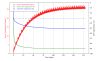
A Dutasteride Simulator predicts serum dutasteride, serum DHT, and scalp DHT levels using models from research papers. It simulates various dosing schedules to determine steady-state effects and visualizes outcomes, including hair growth-related scalp DHT suppression.
Minoxidil 5% topical solution may cause eyesight problems, with some users experiencing blurred vision. The discussion also mentions finasteride's potential side effects, including erectile dysfunction, with varied personal experiences.
Switching from finasteride to dutasteride may be more effective for hair regrowth due to dutasteride's stronger enzyme inhibition, but combining both drugs could enhance results. Some users report better outcomes with dutasteride, while others recommend a gradual transition to prevent potential hair loss.
The conversation discusses the use of topical minoxidil and finasteride for hair loss, with some users combining them with oral treatments. Users share their experiences and opinions on effectiveness, cost, and convenience, with mixed views on whether topical or oral applications are superior.
The effectiveness of Dutasteride compared to Finasteride in treating hair loss, with evidence given such as studies and experiences, as well as discussion around whether one should switch from Finasteride to Dutasteride. There is also a discussion on post-Dutasteride syndrome.
The conversation provides tips to reduce facial skin side effects from Minoxidil, such as changing pillowcases, sleeping on the back, careful application, hydration, and taking breaks. One reply suggests that alcohol in Minoxidil formulations, not Minoxidil itself, may cause skin aging.
The user has been using finasteride and topical minoxidil for 15 months but is experiencing constant hair shedding, similar to telogen effluvium, despite stable widow peaks. They have checked for vitamin and mineral deficiencies, consulted specialists, and are considering further investigation like a scalp biopsy.
The user started using oral minoxidil and estradiol in August 2025, added finasteride in December, and experienced significant hair shedding in February/March. They switched to estradiol injections and are considering their hair washing routine, while another user suggested consulting a dermatologist and possibly trying dutasteride.
The conversation discusses hair regrowth results using dutasteride, minoxidil, and dermarolling over six months. OP reports significant improvement, especially in the temples, by derma-rolling frequently and applying minoxidil afterward.
The user experienced stable hairline but diffuse thinning after switching from oral finasteride to a topical solution of minoxidil and finasteride. They are concerned about the effectiveness of the topical treatment and are considering other options due to a recent decline in hair density.
The conversation discusses two methods for making topical finasteride: using ethanol and propylene glycol or mixing it with topical minoxidil. The focus is on solubility and absorption, with a suggestion to crush pills finely and possibly mix with minoxidil at a slightly elevated temperature.
The user experienced improved libido and erections after reducing DHT levels with 0.5mg of dutasteride once a week, despite previous side effects from finasteride. They are also on testosterone replacement therapy and have not noticed major personality changes.
Finasteride and oral minoxidil effectively maintain a youthful appearance and full head of hair, despite genetic predispositions to balding. The discussion also considers the impact of DHT blockers on masculinity and aging, with lifestyle choices like sunscreen use and a vegetarian diet mentioned.
A 19-year-old male with a family history of balding is using finasteride to thicken his hair and is considering whether to add minoxidil. Users suggest continuing finasteride for several months before deciding on minoxidil.
The user experienced significant hair regrowth using topical minoxidil 5% twice daily and 1mg finasteride daily, along with microstamping every 14 days. They reported initial shedding but achieved satisfying results by month four, with minimal side effects.