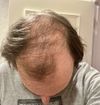
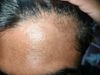
Dutasteride can drastically reduce sebum production, leading to dryer hair and shedding. Alternating shampoos and periodic silica supplementation can improve hair quality and thickness.
The user is experiencing significant hair loss and is considering treatments like minoxidil, finasteride, and possibly a hair transplant. They are advised to consult a dermatologist and consider oral minoxidil and dutasteride, while being aware of potential side effects and the need for ongoing treatment.
The conversation discusses combining topical finasteride with oral finasteride or dutasteride for hair loss treatment. It also mentions using minoxidil, oral dutasteride, and other supplements like biotin and ketoconazole for better hair health.
The conversation is about a user's experience with hair loss treatments, specifically using finasteride, minoxidil, microneedling, and ketoconazole shampoo. The user reports improvements after almost nine months, with no side effects, and discusses the shedding process and expectations for results.
Dutasteride is generally considered more effective than finasteride for hair regrowth, with some users experiencing better results, especially at higher doses. However, individual responses vary, and some users report side effects or no response to either treatment.
The conversation is about the effectiveness of Dutasteride (Dut) and Minoxidil (Min) in reversing hair thinning. The user has been using Dut for 3 months and Min for a couple of years, and while hair fall has reduced, thinning continues. Other users suggest that Dut can reverse hair thinning over time, possibly beyond a year, and the outcome depends on individual body reactions and the degree of hair miniaturization.
Dutasteride once a week may be a cost-effective alternative to daily finasteride for reducing DHT levels, with potential benefits for those seeking a lighter approach to hair loss treatment. Some users combine dutasteride with finasteride, minoxidil, and dermarolling for improved results.
The user is experiencing hair loss despite using dutasteride, minoxidil, and ketoconazole shampoo, and is concerned about continued shedding. Suggestions include checking for nutrient deficiencies, consulting a dermatologist, and considering other potential causes like seborrheic dermatitis or telogen effluvium.
Vitamin D supplementation may have led to slight hair regrowth and density improvement. Other treatments discussed include finasteride, minoxidil, and maintaining optimal vitamin D levels.
Finasteride improved hair density and changed hair texture from wavy to curly for the user. The user took 1mg of oral finasteride daily without using minoxidil.
The conversation is about hair regrowth using topical finasteride, minoxidil, and microneedling, with some users noticing new hair growth. The original poster also takes protein, biotin, and vitamin D supplements and prefers topical treatments due to concerns about side effects from oral finasteride.
The user has used finasteride and minoxidil for 300 days and is considering a hair transplant. Others recommend continuing medication, possibly switching to dutasteride, and waiting longer before deciding.
A user experienced worsening hair recession after adding 0.5 mg daily dutasteride to their regimen of topical minoxidil and finasteride, despite no initial shedding. They plan to continue monitoring the situation, as others suggest it may be too early to see results and recommend blood tests to check DHT levels.
Combining PRP with topical minoxidil 5% and finasteride 0.25% for hair loss treatment. One user reported success using minoxidil and finasteride with micro-needling, but not PRP.
Significant hair regrowth was achieved after six months using finasteride and minoxidil, with no side effects reported. The user plans to taper off minoxidil and is considering oral minoxidil, but is cautious due to potential heart issues.
A user shared progress pictures and discussed their hair loss treatment, including using Hims spray with finasteride, oral finasteride, castor oil, and derma rolling. They reduced their Hims spray dose to every other day to minimize finasteride absorption into the bloodstream.
The user shared their experience with liquid Minoxidil, which initially worked well but caused severe skin irritation, leading them to stop. They are now trying oral Minoxidil and plan to document their progress weekly.
The user is experiencing hairline thinning despite using finasteride, minoxidil (solution and foam), dermastamping, and tretinoin. They suspect minoxidil or tretinoin might be causing the issue but are unsure.
The conversation discusses natural ways to reduce cortisol, such as avoiding caffeine, getting proper sleep, syncing with the sun, walking in nature, breathing exercises, increasing calories, and not doing keto. Magnesium supplements are recommended for stress reduction.
The conversation discusses using oils like pumpkin seed, rosemary, peppermint, and grape seed oil for hair regrowth, claiming they can be as effective as finasteride or minoxidil without side effects. Some users remain skeptical and prefer proven treatments like minoxidil.
Dutasteride is considered more effective than finasteride for hair loss, with some users increasing the dose to 2.5mg daily for better results. Experiences vary, with some seeing regrowth and others not, and side effects are a concern.
Age-linked hair loss is linked to disappearing collagen. Treatments discussed include minoxidil, finasteride, RU58841, tretinoin, microneedling, and collagen supplements.
Dutasteride is associated with increased blood glucose, HbA1c, LDL cholesterol, and liver enzyme activity, potentially leading to diabetes, NAFLD, and liver metabolism changes. The conversation highlights concerns about these adverse effects and calls for more studies, including on finasteride.
The user regrets stopping finasteride and minoxidil due to increased hair loss. They have resumed these treatments and are considering a hair transplant.
The user experienced significant hair improvement using daily dutasteride (0.5mg) and oral minoxidil (5mg), along with ketoconazole shampoo twice a week. They reported no significant side effects, except for mild hypertrichosis, and plan to continue the regimen for a few years before reducing the dosage.
A 19-year-old is experiencing hair loss and shedding despite using Dutasteride and topical Minoxidil for six months. They are concerned about potential infections like folliculitis and are considering stopping the treatments due to stress and hair loss from various areas, including eyebrows and eyelids.
The user is experiencing positive hair regrowth results after four months of using oral finasteride (1mg daily), oral minoxidil (5mg daily), Polaris NR02 shampoo, and ketoconazole 2% shampoo. They plan to continue the regimen and consider a hair transplant in the future, with no reported side effects from the current treatment.
The conversation discusses microneedling techniques and the use of Minoxidil, copper peptides, EGF, FGF, ceramides, and hydration serums to enhance hair growth. It explores optimizing scalp conditions and the potential benefits of various compounds in conjunction with microneedling.