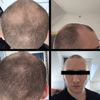
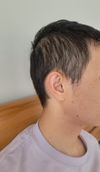
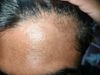
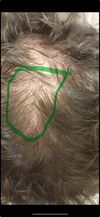
A 31-year-old man is experiencing hair loss, using minoxidil with mixed results, and has started finasteride. He is considering a hair transplant if these treatments are ineffective.
Dutasteride may not be effective for everyone due to underlying issues, suggesting scalp biopsies for further diagnosis. Users discuss using higher doses of dutasteride, topical treatments, minoxidil, and pyrilutamide for hair loss management.
Significant hair regrowth was achieved after six months using finasteride and minoxidil, with no side effects reported. The user plans to taper off minoxidil and is considering oral minoxidil, but is cautious due to potential heart issues.
Elevated bile acids can inhibit the enzyme AKR1C2, leading to increased DHT levels, which may accelerate hair loss in those predisposed to androgenetic alopecia. Treatments mentioned include topical minoxidil and finasteride.
Taking dutasteride daily at higher doses results in more effective DHT suppression compared to every other day dosing, due to its dose-dependent nature and long half-life. Even at lower doses, dutasteride is more effective than finasteride for hair loss.
The user experienced anxiety and heart pounding from oral minoxidil, despite its effectiveness, and switched back to topical minoxidil. After managing anxiety, they found oral minoxidil more effective, but side effects differ for each person.
A 19-year-old experienced worsening hair loss after 4 months on finasteride, despite initial improvement with minoxidil. The consensus is to continue treatment for at least a year, as shedding is common and often temporary.
A user with afro hair recommends finasteride for hair loss, reporting significant improvement and no side effects. Other users share similar positive experiences and frustrations with natural remedies.
A user shared progress pictures showing significant hair regrowth from using 1mg finasteride, Minoxidil, vitamins, and dermarolling over 4 months. The user reported no side effects and takes a generic multivitamin and biotin.
A user is quitting ketoconazole shampoo, believing it worsened their hair condition, and plans to use clarifying, keratin, and pH balanced moisturizing shampoos instead. Another user suggests using conditioner after ketoconazole to prevent dryness.
The conversation discusses hair loss treatments, with users mentioning dutasteride (Dut) as effective and wishing for more accessible dosages. They also debate the components of the "big 3" treatments, which now include Dut, RU58841, and oral minoxidil, with finasteride and minoxidil being consistently mentioned.
The conversation is about someone's hair regrowth progress using Hims serum from February 25th to April 6th. Users commented on the noticeable improvement and potential for full hair recovery.
Minoxidil can regrow hair but doesn't address the underlying issue of DHT, leading to continued hair loss. Users discuss their experiences with finasteride and dutasteride, mentioning side effects, personal outcomes, and alternatives like microdosing topical finasteride.
A 24-year-old male using topical finasteride for hair loss is experiencing thinning despite treatment and has high estrogen levels. He is seeking advice on whether high estrogen could be causing hair loss and how others with high estrogen levels have addressed it.
User experienced hair density decrease after 1 year of finasteride. Others shared similar experiences, suggesting it could be a temporary shed and discussed various treatments like dutasteride, minoxidil, dermaroller, and ketoconazole.
A 27-year-old man experienced hair regrowth and gynecomastia from finasteride, leading to a cycle of stopping and restarting the treatment. He is considering gyno surgery and consulting an endocrinologist as potential solutions.
A 1-year progress report from a person who used topical finasteride and minoxidil, as well as dermarolling, to combat hair loss. Replies discussed the impressive results achieved, recommended further treatments, and cautioned against using oral minoxidil due to its potential side effects.
The user claims to have successfully treated hair loss using natural supplements like collagen, L-lysine, zinc, B12, and bamboo shoot extract, without using the "Big 3" treatments (Minoxidil, finasteride, RU58841). The community is skeptical, demanding proof and emphasizing that the "Big 3" are proven effective, while natural remedies are often not.
A 24-year-old male experienced unexpected hair growth and improved skin and nails after adding daily vegetable juices, including carrot, spinach, celery, and beet, to his diet. He is not using any other treatments like minoxidil, finasteride, or RU58841.
Dutasteride may reduce bone mineral density, but there's no increased risk of osteoporosis or fractures compared to finasteride. Users suggest resistance training to counter potential bone effects.
A 22-year-old male shared his 4-month progress using topical minoxidil, topical finasteride, dermarolling, ketoconazole shampoo, and supplements for hair loss, showing significant improvement. Users discussed his potential for further recovery, shared purchasing tips for finasteride, and mentioned possible side effects like reduced libido.
Finasteride and minoxidil are used together for hair regrowth, as finasteride blocks DHT and minoxidil enhances blood flow. Some hair types require both treatments for regrowth, while others may only need one.
The user switched from finasteride to dutasteride and oral minoxidil after experiencing side effects and worsening hair loss, which improved their condition. Dutasteride was preferred due to fewer side effects and better results compared to finasteride.
A 19-year-old seeks advice on obtaining a dutasteride prescription for hair loss, despite it being typically prescribed for urinary or prostate issues. Another user suggests starting with minoxidil or finasteride and exploring other telehealth options for dutasteride.
CRISPR shows promise for treating hair loss by targeting specific genes. Current treatments include Minoxidil and finasteride, but CRISPR could offer a more precise solution, though it is still expensive and in early stages.
Serum DHT is mostly inactive; sebum DHT is a better measure for hair loss. Users discuss using finasteride, dutasteride, and topical treatments like KX826 and RU58841 for better scalp DHT suppression.
Finasteride may affect liver function and cortisol levels, potentially linking it to non-alcoholic fatty liver disease (NAFLD). More research is needed to understand this connection fully.
The conversation is about the use of oral Dutasteride and topical Minoxidil for hair loss. There is little discussion found on this specific combination of treatments.
The conversation discusses using zinc sulphate and azelaic acid to inhibit 5 alpha-reductase activity, which could potentially treat androgen-related skin conditions like hair loss. Combining these with vitamin B6 could enhance the effect, potentially offering an alternative to finasteride.