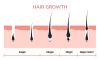
PP405 shows promise for hair follicle reactivation with minimal side effects. Users recommend continuing Minoxidil and Finasteride until more results are confirmed.
Pelage PP405 is a new hair loss treatment in trials, potentially reactivating dormant hair follicles without affecting hormones. Results are expected in February 2025, offering an alternative to minoxidil and finasteride.
A user shared their progress in combating hair loss using 5 mg oral minoxidil and 1 mg finasteride over four months, experiencing significant improvement. They also experimented with higher doses of minoxidil but faced side effects, so they settled on 7.5 mg without issues.
For hair loss, start with Finasteride, Minoxidil, Ketoconazole shampoo, and Microneedling. For severe cases, consider Dutasteride, oral Minoxidil, or hair transplants.
A 24-year-old shared his 12-month hair loss progress, using 1mg oral finasteride daily, Minoxidil spray twice daily, weekly derma stamping, daily Biotin, Saw Palmetto Shampoo, and occasional Ketoconazole shampoo. He experienced minimal side effects and significant hair density improvement, no longer needing a hat.
A user switched from a 1.5 mm derma roller to an adjustable dermastamp for microneedling to treat hair loss and found it less painful and more effective. Some users prefer different depths and tools like the Dr.Pen for microneedling, while others debate the necessity of depth and tool type.
Some users of RU-58841 report cardiovascular symptoms like heart palpitations and chest tightness, which may be linked to its metabolites causing lung disease. The safety of RU-58841 is uncertain due to lack of long-term data and concerns about product purity, especially from gray market sources.
RU58841 is discussed as a topical anti-androgen for hair loss, but its effectiveness and safety are not well-documented, leading to mixed opinions and experiences among users. Some combine it with finasteride, but concerns about side effects and lack of FDA approval limit its popularity.
Hair loss discussion mentions Native Americans' resistance to male pattern baldness and lack of facial hair. Users discuss genetics, sun exposure, and potential treatments like minoxidil and finasteride.
A user's progress pictures that show the results of their hair loss treatments, such as minoxidil and finasteride, along with dermarolling and clippers. They have been trying to recover from severe hair loss since 2021.
A user's experience taking finasteride, which resulted in them having an unexpected emotional reaction, and the replies to this post focus on the humorous aspects of cautionary tales about hair loss treatments.
Using Dutasteride as a hair loss treatment and its potential benefits, including availability in certain countries without a prescription and lower side effects than Minoxidil or RU58841.
A user's 18-month progress on their hair loss treatment regimen, which includes 5mg oral minoxidil, 1.5mm microneedling with a pen once weekly, and 0.5mg/day dutasteride; other users noted the positive effects of finasteride and dutasteride in reducing DHT levels.
A study that outlines the full model for androgenic alopecia (AGA) which links DHT to cellular senescence in dermal papilla cells, and suggests black chokeberry as a source of cyanidin 3-O-arabinoside polyphenol with potential anti-oxidant properties that could reverse this process. The post encourages reaching out to experts in anti-aging and longevity to research treatments involving the polyphenol.
A new study that found a single chemical could potentially be responsible for hair loss, and the potential to use this discovery to stimulate hair growth. The conversation also includes various treatments such as Minoxidil, Finasteride, RU58841, microneedling, DUT, and Botox for hair loss.
Users discuss potential game-changing hair loss treatments in the next 10 years. Some mention KX-826, SCUBE3, and stem cells as promising options, while others express doubt due to past disappointments and lack of focused research.
Finasteride can cause sexual side effects in less than 2% of men, but these often disappear over time, even if the treatment continues. Some users report persistent side effects, while others experience no issues or only temporary ones.
A potential new treatment for hair loss, Pyrilutamide, and the discussion of whether or not people should still be taking traditional treatments like Minoxidil and Finasteride with it.
Hair loss treatments, specifically, discussing the effectiveness and side effects of finasteride, minoxidil, and RU58841 in various microdoses. It also includes an updated graph which provides information on how different doses affect DHT levels, scalp skin and serum androgen levels, as well as hair count.
The conversation is about a person struggling with aggressive hair loss and feeling depressed, who has tried finasteride but is experiencing sexual side effects. Others suggest various treatments like reducing finasteride dosage, trying minoxidil, dermarolling, addressing health and hormonal issues, and accepting baldness.
Finasteride can cause sexual side effects, and reducing porn and masturbation may help improve sexual function. Some users experience persistent issues even after stopping finasteride.
User used minoxidil 5% topical liquid, HIMS topical finasteride, derma rolling, DHT blocking shampoo, and castor oil with rosemary for hair loss treatment. They experienced significant progress and increased confidence.
User discusses two medications for stopping hair loss: Fin (finasteride) and Dut (dutasteride). Mixed experiences and side effects are shared, with some users seeing positive results.
SCUBE3 is available online but poses risks like tumor promotion and high costs. Users advise against using it due to health concerns and inefficacy as a standalone treatment.
Hair loss treatments RU55841, CB-03-01, and Eucapil were discussed, with concerns about needing increased dosages over time and potential side effects. A user suggested that CB's results could be due to various factors and that combining it with finasteride might slow down any upregulation.
The user is considering using CB or clascoterone for hair loss, potentially as an alternative to RU. They're also contemplating asking a dermatologist for topical clascoterone cream to apply to their temple.
The user has DUPA and suspects autoimmune activity as a cause. They have tried various treatments including finasteride, minoxidil, dutasteride, pyrilutamide, estrogel, hydrocortisone, and clobetasol, and are now seeking a long-term immunosuppressant.