The conversation discusses hair loss treatments, specifically mentioning pyrilutamide, minoxidil, and finasteride. The consensus suggests starting treatment early, with finasteride being a preferred option.
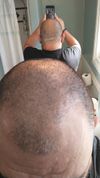
The user had two FUT hair transplants with 4,600 grafts for increased density, costing about $11,000 each, and has been using oral minoxidil and finasteride for over five years without side effects. The results are natural-looking with no visible scarring, and the user finds the procedure valuable despite the cost.
The user is taking 0.5mg finasteride and 0.5mg Loniten orally daily, using Eucapil twice weekly, and Minoxidil foam once daily for hair loss. They believe Eucapil effectively stops hair loss despite side effects like breast growth.
The conversation is about finding providers for Dutasteride Mesotherapy in the US, which is more common in Europe. The user is asking if any mesotherapy/PRP clinic could offer it if they provide the Dutasteride.
The conversation is about a user's 3-month hair regrowth progress using finasteride, minoxidil, and a 0.5mm dermaroller, with recent addition of caffeine shampoo. Users are responding positively and inquiring about application methods.
The user is experiencing hair loss despite using minoxidil and dutasteride consistently since October, with no significant improvement. Suggestions include trying microneedling, switching dutasteride brands, or adding finasteride.
A user was prescribed Alpicort E, which contains Estradiol Benzoate, Prednisone, and Salicylic Acid, for hair loss and is seeking others' experiences due to concerns about potential side effects.
The user reported noticeable hair improvement over four months using 1 mg of finasteride and weekly microneedling. Progress photos from October 2024 to January 2025 show positive changes.
A user discusses using safflower oil as a carrier for rosemary oil to enhance hair growth while using finasteride. They reference studies showing rosemary oil's effectiveness compared to minoxidil and the potential benefits of safflower and amla extracts for hair loss.
Users discuss finding reliable sources for RU58841, focusing on lab tests, batch consistency, and community reputation. Some mention using alternatives like pyrilutamide.
The user has been using 1.25 mg Finasteride and topical Minoxidil once a day for six months with positive results and no side effects. They emphasize the importance of continuing the medication to maintain hair regrowth and discuss the potential benefits and side effects of different dosages.
A 23-year-old male taking 0.25 mg finasteride for 40 days noticed reduced hair shedding and improved hair texture but experienced watery semen, which might be temporary. Overejaculation and finasteride can cause this, and it usually resolves, but consulting a healthcare provider is advised if it persists.
A user is trying to make a topical finasteride solution by crushing tablets into ethanol and glycerin but struggles with spillage. Suggestions include letting the tablets dissolve in the solution or using a pill crusher for efficiency.
The user shared progress pictures showing hair improvement over four months using 1 mg finasteride and 5 mg minoxidil daily. They reported no significant side effects and plan to reduce the minoxidil dose once satisfied with the results.
Fucoidan may help regrow hair and reduce inflammation in androgenetic alopecia. It is unclear if simply mixing fucoidan powder into a serum for application is effective.
The conclusion of the conversation is that the user, General-Switch-5722, has been using finasteride and minoxidil for over 2 years but is still experiencing hair loss. They are considering adding a low dose of RU58841 or topical dutasteride as potential treatments. Other users in the conversation have suggested switching to dutasteride or using oral minoxidil.
The conversation is about using adenosine, finasteride, and minoxidil for hair loss treatment. The user ordered a 0.75% adenosine solution and is currently using finasteride 1mg and minoxidil 5%.
A 34-year-old woman has been using a topical solution of 5% Minoxidil and 0.1% Finasteride since January 2026 to address hair thinning caused by PCOS and poor nutrition. She reports ongoing hair shedding but has improved her diet with whole foods and supplements.
User shared 3 months progress using Fin (oral) and Min (foam) for hair loss. Others suggested adding derma rolling and discussed dosages and experiences.
The conversation discusses the use of Verteporfin in hair loss treatment. It suggests that Verteporfin could potentially regenerate hair follicles instead of forming scars, providing an unlimited donor supply for hair transplants.
HMI-115, a newly discovered hair loss treatment that could potentially be effective for those with diffuse thinning and telogen effluvium. It is based on prolactin receptor antagonist signaling and has already undergone Phase I trials in women, with potential commercialization by 2027.
A 19-year-old experiencing hair loss tried finasteride but stopped due to potential side effects and is considering dutasteride. They also used topical minoxidil intermittently but didn't see lasting effects.
Using dutasteride 0.5mg three times a week may be more effective than daily finasteride for hair regrowth, but experiences vary, with some users reporting side effects like anxiety and mood swings. Others suggest combining finasteride with dutasteride initially, while some find topical minoxidil more tolerable.
The conversation discusses the effectiveness and systemic absorption of Topilutamide/Fluridil/Eucapil and topical Dutasteride for hair loss. Users are sharing their experiences and seeking success stories with these treatments.
The user experienced noticeable hair growth after 9 months using oral dutasteride, with full results expected in 20-24 months. They prefer oral treatments over topical minoxidil due to convenience.
User reports five months progress on finasteride and oral minoxidil, with thicker hair and no visible scalp. Started at 2.50mg and increased to 10mg without side effects.
Increasing the sult1a1 enzyme on the scalp may improve response to topical minoxidil. The user suggests using a baking soda solution, DMSO, and tretinoin to enhance enzyme activity and minoxidil effectiveness.
The conversation is about whether dissolving finasteride in water affects its effectiveness. The user is concerned about the impact of water on the medication's efficacy over five days.