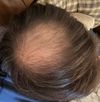
Male pattern baldness (MPB) may be an early warning sign for type 2 diabetes due to its association with insulin resistance. Treatments discussed include testosterone therapy and finasteride, which affects hormone levels related to hair loss and insulin sensitivity.
Microneedling combined with minoxidil may promote hair regrowth, with some users reporting success using a 1.5mm dermaroller twice a week. Others have seen results with minoxidil alone or by increasing microneedling frequency.
Exosomes are discussed as a new hair loss treatment, but skepticism is expressed about their effectiveness. Other treatments mentioned include Minoxidil, finasteride, and RU58841.
A user trying to avoid an expensive hair transplant, and the replies suggesting they wait two years on treatment before deciding if they need a transplant or not.
A 28-year-old man shared his experience with a 2990 graft FUE hair transplant at HDC Clinic in Cyprus, praising the professionalism and care received. He has been using topical Minoxidil, Biotin, Dermarolling, and recently started Finasteride and oral Minoxidil.
Scientists discovered a potential baldness treatment from hairy moles, which can be injected like Botox. Users discussed the treatment's implications, including its safety and effectiveness.
KX-826, Breezula, PP405, and Stemson are potential future treatments for hair loss, with varying timelines and mechanisms like blocking DHT and stem cell activation. Users express skepticism about the timeline and mention current options like hair transplants and minoxidil.
The conversation discusses hair regrowth using 2-deoxy-d-ribose (2DDR) combined with minoxidil, with some users noting new hair growth. The original poster has been using minoxidil for 12 years and is considering combining 2DDR with finasteride, despite past side effects.
Scientists discovered a sugar gel, 2dDR-SA, that increased hair growth in mice. Users discussed its potential, comparing it to other treatments like Minoxidil and finasteride.
Oral PTD-DBM was discussed as a potential hair loss treatment, but it was deemed ineffective in humans despite promising results in mice. The conversation concluded that trying it without VPA might be unwise.
A blood cancer survivor in remission since 2022 is experiencing thin and patchy hair after chemotherapy and is using Minoxidil without much success. They are seeking personal experiences and advice on hair transplants after cancer treatment.
Low-Level Laser Therapy (LLLT) is seen as a safe and effective method for maintaining hair and promoting regrowth in androgenetic alopecia (AGA) and male pattern baldness (MPB), with devices like the HairMax LaserComb® and iRestore helmet being popular. Some users and professionals are skeptical about its long-term effectiveness and cost.
The user noticed hair regrowth after supplementing with vitamin D, magnesium, zinc, and vitamin B12, alongside using minoxidil for 3 years. They observed a lower hairline and improved density, supported by photographic evidence.
New hair loss treatments include Breezula, PP405, ET-02, KX-826, GT20029, VDPHL01, and CosmeRNA, with some showing promise in reactivating stem cells and reversing greying. Breezula and VDPHL01 are highlighted as potential add-ons or alternatives to current treatments like finasteride and minoxidil.
TDM-105795 showed promising hair growth results, with higher efficacy than placebo and minimal side effects. It activates dormant hair follicle stem cells and may maintain gains without immediate loss, unlike minoxidil.
The user's first hair transplant failed, and they are preparing for a second one. They are considering whether to continue multivitamins and B complex before the surgery, and are asking for advice on supplements to take for hair loss that do not include DHT blockers, finasteride, minoxidil, or high-dose biotin, and are contemplating iron, folic acid, vitamin C, and NAC for before and after the surgery.
Hair loss treatments like Minoxidil, finasteride, and stem cell therapies exist, but a complete cure is hindered by genetic complexity and market dynamics. Cloning hair follicles is considered a potential solution, but it's currently not feasible.
Adding exosomes to a treatment of dutasteride and minoxidil for hair loss increased hair count by 55% at 6 months and 46% at 1 year compared to the control group. The control group did not receive exosomes or PRP.
Topical sodium valproate may promote hair growth by inhibiting GSK3β, allowing beta-catenin to proliferate, but it has potential side effects and requires more research. The conversation also mentions skepticism about a product called Vdphlo1, which includes sodium valproate and other ingredients.
Verteporfin reduces scar tissue in hair transplants but doesn't significantly regrow hair follicles. More testing is needed to determine its effectiveness.
A human trial involving verteporfin for hair regeneration, with the results showing some regrowth of 1-2 hairs in an area where a follicular unit was extracted. The conversation also suggested that future studies should involve higher doses and more frequent injections.
The user experienced excessive bleeding during microneedling after consuming caffeine and THC, and is unsure if they should continue with the same routine. They are seeking advice on whether the bleeding is a cause for concern.
A human trial of verteporfin, a potential treatment for hair loss, with some users noting potential improvements in scarring and overall healing compared to control areas.
The conversation discusses anticipation for CB-03-01, a potential new hair loss treatment that may be more effective and have a cleaner safety profile than finasteride. Users are hopeful but cautious, discussing current treatments like minoxidil, nizoral, and dermarolling, and the possibility of combining them with CB-03-01 for better results.
A 33-year-old male is documenting his hair regrowth progress using minoxidil, red light therapy, copper peptides, and micro-needling, with noticeable improvement in hair thickness and coverage. He plans to add a topical finasteride/minoxidil spray and aims for a shadow on his scalp rather than a full head of hair.
A user shared their hair regrowth success using microneedling with a dermaroller every 6 days and minoxidil, recommending betadine (povidone-iodine) before microneedling to sterilize the scalp and enhance results. Another user noted the potential risks of iodine toxicity.
CB-03-01 is considered a failed treatment for hair loss, with future hopes pinned on PP-405 and GT-20029, expected by 2030. Alternatives like hair transplants and SMP are discussed, while some users express frustration over the slow progress of treatments like Breezula.
The conversation discusses using microneedling with growth factor serum, PRF injections, dutasteride, oral and topical minoxidil, and topical exosomes to treat hair loss, particularly on the crown. OP plans to microneedle twice a month and seeks feedback on Korean growth factor serums.
The conversation discusses using minoxidil, finasteride, a dermastamp, and botanical oils like peppermint, rosemary, and pumpkin seed oil for hair growth. The user is considering using Alpha Infuse, which combines microneedling with plant oils, to enhance results.