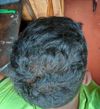
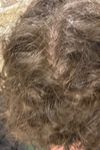
The user stabilized hair loss with oral Finasteride and saw significant hair growth after adding oral Minoxidil. They also used collagen peptides and had no side effects.
Addressing hair loss by focusing on posture, blood flow, and craniofacial development. Methods include improving posture, cardiovascular activity, scalp massages, healthy diet, meditation, using minoxidil, and addressing craniofacial issues.
A 17-year-old male has experienced significant hair loss within 4 months, noticing scalp visibility constantly. He's used ketoconazole shampoo, and his dermatologist recommends minoxidil and finasteride when he turns 18, but he's considering shaving his head due to the rapid hair loss.
A 16-year-old is experiencing thinning hair at the front and shedding during showers. He is concerned about potential early baldness and is considering seeing a doctor and taking multivitamins.
Three months into using Minoxidil, finasteride, dermarolling, tretinoin, and saw palmetto shampoo, the user is seeing baby hairs on their hairline and is hopeful they will thicken. Another user reports that their own baby hairs have been getting thicker and longer over time.
A 19-year-old male has been using topical finasteride and minoxidil for 8 months with no progress and is considering seeking a second opinion due to potential misdiagnosis. The discussion revolves around whether the hair loss is due to male pattern baldness, alopecia areata, or a vitamin deficiency.
A 24-year-old male experienced unexpected hair growth and improved skin and nails after adding daily vegetable juices, including carrot, spinach, celery, and beet, to his diet. He is not using any other treatments like minoxidil, finasteride, or RU58841.
The user has been using finasteride and minoxidil, then switched to dutasteride and minoxidil for six months without significant results, noticing thinning after increasing creatine dosage. They plan to consult a dermatologist to explore potential causes beyond androgenetic alopecia.
A 28-year-old male experiencing early male pattern baldness is considering using Pyrilutamide (KX-826) as an alternative to finasteride due to side effects. He seeks to maintain his current hair without regrowth and is concerned about potential side effects like reduced libido.
A 31-year-old male with low normal-range testosterone and DHT is experiencing significant hair loss from the front scalp. He has tried Minoxidil, vitamin D3 and B12 supplements, and exercises regularly but is still seeking the root cause and effective treatment.
The user switched to oral Dutasteride, added RU58841, and used Ketoconazole-enriched Minoxidil but still experiences scalp itch and hair loss after 4 months. They are advised to give Dutasteride more time, consider seeing a dermatologist, and explore other topical solutions.
A 30-year-old woman with a history of anemia and low vitamin D experienced hair shedding, which improved after addressing nutrient deficiencies. Despite regrowth of terminal hairs, her dermatologist recommended treatments like minoxidil and spironolactone to prevent future bald spots, but she is cautious due to family history of hormone-related cancers.
A 33-year-old man using finasteride, minoxidil, thickening shampoo, conditioner, and Nizoral noticed peach fuzz after a month and is hopeful for regrowth. Others shared mixed experiences, with some seeing further growth and others not.
An 18-year-old in India is seeking a dutasteride prescription for aggressive hair loss, as family members are bald by age 20. Local doctors advised against it, so they are considering using Indian telemedicine apps for a prescription.
An 18-year-old is experiencing worsening hair loss, feeling isolated, and considering treatments like Minoxidil and finasteride. Others suggest seeing a dermatologist to determine the cause and potential treatments.
A 22-year-old male experiencing diffuse thinning is using oral minoxidil and finasteride but notices his hair looks thin in sunlight. Suggestions include using hair products, considering topical minoxidil, addressing seborrheic dermatitis, and possibly trying dutasteride or a hair transplant.
A 25-year-old experiencing hair thinning all over the body and head, despite using minoxidil and having low vitamin D levels, is advised to seek a second opinion from a dermatologist specializing in hair loss. The likely diagnosis is diffuse alopecia areata, which may require treatment with a JAK inhibitor.
The user is discussing their hair regrowth progress after using oral Minoxidil (2mg daily) and Finasteride (1mg daily) for about five months, along with support supplements like Vitamin D, Biotin, and Omega 3. Suggestions include replacing Finasteride with Dutasteride and increasing Minoxidil dosage, while also considering microneedling and scalp massage for better results.
How diffuse unpatterned alopecia (DUPA) is not an invitation to self-diagnose oneself with aggressive AGA and that seeking a specialized dermatologist may help people experiencing hair loss. Treatment options discussed include topical clobetasol propionate, oral minoxidil, and discontinuing finasteride.
A 20-year-old feels defeated about hair loss and struggles with consistent minoxidil use due to ADHD. They plan to visit an endocrinologist for finasteride and consider shaving their head while continuing treatments.
A 21-year-old is using oral Minoxidil (3mg daily) and Finasteride (1mg three times a week) for hair loss, along with Nizoral and hair vitamins, showing progress after 4 months. Initial side effects from Minoxidil included increased heart rate and heavy breathing, which subsided, while Finasteride has not caused any side effects.
A user, 42 M, NW 5-6, used oral Dutasteride, Minoxidil, RU58841 topical, micro needling, Nizoral shampoo, saw palmetto gummies, vitamin D gummies, and scalp massages for 2 months. They noticed many small light hairs on previously bald areas and are questioning if these will darken or remain vellus hairs.
User with diffused thinning hair prefers receding temples, as hair transplant could fix it. Finasteride and minoxidil suggested to improve hair density.
A 24-year-old tried minoxidil, finasteride, keto shampoo, and derma-rolling for hair loss but saw no improvement and is now at Norwood 5. They feel there's nothing more they can do and are considering going bald despite not liking the look.
The user switched from Finasteride to oral Dutasteride 0.5mg and oral Minoxidil 2.5mg, along with microneedling and Nizoral shampoo, to combat hair thinning. They report progress but note limited improvement in the temples.
A 28-year-old male is experiencing hair loss, itching, soreness, and numbness on the scalp, with symptoms including dry, brittle hair and scalp irritation. Treatments tried include Nizoral, salt water, various oils, and antihistamines, with limited success; a chemist suggested a possible fungal infection, while a doctor suspected male pattern baldness.
FCE 28260 (PNU 156765), an under-explored 5α-reductase inhibitor, showcases promising results in research by Giudici et al., outperforming well-known treatments like Finasteride in reducing the conversion of testosterone to DHT. Its superior efficacy, demonstrated through lower IC50 values in both natural and human recombinant enzyme studies, suggests it could offer more effective management of DHT-related conditions. Additionally, its lower molecular weight hints at better potential for topical application, potentially offering advantages in treating conditions such as androgenic alopecia. Despite its potential, it has not advanced in development, possibly due to financial limitations, leaving its therapeutic prospects and side effect profile largely unexplored.
Low testosterone and estradiol may contribute to hair loss, and blocking DHT without sufficient hormone levels might hinder regrowth. The discussion highlights the importance of hormone balance, with some considering supplements and lifestyle changes to support hair health.
The conversation is about finding a pure high molecular weight hyaluronic acid for the scalp after microneedling. A user suggests using a product from The Ordinary.