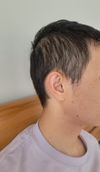
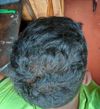
The user is experiencing excessive hair thinning and is unsure of the cause. They are seeking opinions on treatments like Minoxidil, finasteride, and RU58841.
A user shared their experience with Finasteride for hair loss, noting improvement but still some thinning. They plan to get a hair transplant to address remaining thin spots and strengthen their hairline.
Hair regrowth can start as thin hairs that may thicken over time, with treatments like finasteride and minoxidil showing varied results. Some users report initial shedding followed by thicker regrowth, while others experience mixed outcomes in different areas.
A user with thinning, curly, dry hair is seeking affordable shampoo and conditioner recommendations. They are using oral minoxidil and apply argan oil, but dislike products with keratin and biotin, and another user suggests ketoconazole shampoo for added density and DHT blocking.
Diffuse thinning can result in varied regrowth, with some users experiencing better results at the hairline and others at the crown. Treatments mentioned include finasteride, minoxidil (oral and topical), RU58841, microneedling, and dermarolling.
A young woman with genetically thin hair is stressed and embarrassed, seeking advice. Suggestions include seeing a dermatologist, using spironolactone, and minoxidil for hair regrowth.
Hair fibers effectively cover thin hair areas, boosting confidence and reducing stress about hair appearance. Users discuss combining hair fibers with other products like hair spray, dermmatch, and Boldify, noting challenges like blocking minoxidil absorption and the importance of color matching.
Thin, short hairs often appear in areas of hair loss but may not grow fully despite treatments like finasteride. Some users consider additional treatments like microneedling or hair transplants.
An 18-year-old is seeking advice on hairstyles to manage and conceal thinning, fine hair. They are looking for a style that boosts confidence and addresses their long-standing insecurity.
User asks for advice on using hair thickening products and their order of application. Experienced styler suggests using thickening tonic with a blow dryer, followed by styling powder and clay, then hair fibers, and finishing with hairspray.
The user is experiencing one-sided diffuse thinning and has been using finasteride and liquid minoxidil for 4-5 years with minimal results. They are considering whether to save for a hair transplant or address scalp sensitivity and irritation first.
A 25-year-old male is experiencing hair thinning at the hairline and vertex, considering using a dermapen or dermastamp, and seeking advice on whether to continue with natural remedies like onion juice and rosemary oil or start using minoxidil or finasteride. He is also looking for recommendations on microneedling devices.
The user uses Toppik hair fibers to thicken their hairline and has switched from finasteride to dutasteride and oral minoxidil, noticing more hair thickening. Most responses indicate the hair fibers are not noticeable, and many suggest the user doesn't need them as their hair looks natural and good for their age.
Hair loss discussion includes Minoxidil and regrowth. Regrowing hairs start light and curly, then become dark and thick; losing temporal peaks is normal.
A 22-year-old is experiencing diffuse hair thinning all over the head, losing about 300 long hairs daily, despite having good genetics and vitamin levels. They are seeking advice on whether this pattern is normal and considering consulting a dermatologist.
An 18-year-old experiencing diffuse hair thinning since 8th grade seeks advice. They are concerned about having less hair than their 52-year-old father and are looking for treatment options.
The user discusses their experience with diffuse unpatterned alopecia and acquired progressive hair kinkering, noting improvements with treatments including biotin, pantothenic acid, finasteride, ketoconazole, and zinc pyrithione shampoo. They report thicker, healthier hair and improved scalp condition, attributing success mainly to biotin, pantothenic acid, and finasteride.
An 18-year-old male experiencing hair thinning and loss is using oral minoxidil, topical minoxidil, finasteride, and a multivitamin as prescribed by a dermatologist. He's having difficulty applying the topical minoxidil effectively due to his hair length, as he feels a lot of it stays on his hair instead of reaching the scalp.
A user recommends a biotin collagen shampoo for making hair appear thicker and feeling nice. Another user mentions using a similar product with argan oil from Walmart.
The user has been experiencing diffuse hair thinning despite using finasteride, minoxidil, dermarolling, clobetasol cream, and PRP sessions. They seek advice on additional treatments and are advised to check vitamin D, iron, and thyroid levels.
The individual is experiencing hair thinning primarily at the front/middle of their scalp and is seeking to identify the type of hair loss they have. They already use treatments like oral Minoxidil, topical Finasteride, Tretinoin gel, dermarolling, and various oils and shampoos.
The user has been using finasteride and minoxidil for 8 years and recently started dutasteride, but still experiences thin, see-through hair. Suggestions include adding probiotics, changing hairstyle, checking hormones, supplementing vitamin D3, trying laser therapy, and improving gut health.
The conversation is about a user concerned about hair thinning despite using finasteride, minoxidil, RU58841, and recently adding dutasteride. Most responses suggest there is no noticeable difference in hair loss, attributing concerns to paranoia, and recommend continuing the current treatment or adjusting expectations.
The user has been using finasteride for hair loss with good results and is considering adding oral minoxidil. They are experimenting with hairstyles and hair products to manage their thinning hair and have received mixed feedback.
A 43-year-old noticed significant hair thinning and is using topical minoxidil, dermarolling, Alpecin, biotin, zinc, copper, vitamin D, and rosemary oil. They plan to see an endocrinologist and have blood tests scheduled to investigate further.
A trans woman is using finasteride, minoxidil, microneedling, and HRT to address hair loss, with noticeable improvement in hairline shape and presence of vellus hairs. She is considering hair transplants if these treatments don't yield desired results within a year or two.
Diffuse hair loss is often linked to genetics but can also be due to health issues like thyroid problems and low vitamin or iron levels. Treatments include finasteride, minoxidil, and dutasteride, with some seeing improvements after addressing health issues.
The conversation is about finding a conditioner suitable for thinning hair, with the original poster currently alternating between a caffeine shampoo and Nizoral every two days but not using any conditioner.