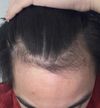
PRP treatments have been effective for the user, with a new recommendation of using a high-quality plasma kit once a year. The user seeks experiences with this specific PRP approach.
PRP treatment for hair loss shows some evidence of effectiveness, with HT surgeons using it post-op to promote growth. Microneedling is mentioned as a cheaper alternative.
The conversation discusses hair regrowth progress using topical dutasteride with cetirizine, laser therapy, and growth serum. The user observes miniaturized, vellus hairs on the scalp.
Two twins who used Minoxidil, finasteride and dermarollers to treat their androgenic alopecia over a 10 month time period. The user is providing details on the process they use for dermarolling.
Mixing 1ml of topical Minoxidil and Pyrilutamide (2ml total) together in a container and applying immediately is being discussed. The concern is whether this method degrades or compromises the efficacy of either compound.
Hair loss treatment progress with Dut, Min, Keto, needling, and RU/Min/Fin/Dut topical. User noticed improvement, believes RU and needling most effective.
A user humorously discusses wanting to transplant all their hair into one dense circle on their scalp, leaving the rest of their head bald. Replies include a joke about performing the procedure and a story about someone using their hair to fight crime.
Botox injections may be more effective than finasteride for hair growth by reducing scalp tension. The discussion also suggests choosing FUE over FUT due to potential loss of scalp elasticity with FUT.
The conversation is about using micro needling and PTD-DBM for hair loss treatment. The user applies PTD-DBM drops on weekdays and performs micro needling weekly.
A user in their early 20s is concerned about minor hair thinning and is considering a hair loss regimen involving PRP sessions, mesotherapy with dutasteride injections, and low-dose finasteride. They dislike minoxidil due to its greasiness and prefer a routine that is easy to maintain.
A quercetin-encapsulated and polydopamine-integrated nanosystem (PDA@QLipo) shows promise for treating androgenetic alopecia by reshaping the perifollicular microenvironment, outperforming minoxidil in hair regeneration. The nanosystem promotes cell proliferation, hair follicle renewal, and recovery by scavenging reactive oxygen species and enhancing neovascularity.
The user experienced significant hair regrowth using a regimen of minoxidil 5% twice daily, finasteride 1 mg daily, microneedling, ketoconazole 2% twice a week, and occasional castor and coconut oil, along with daily scalp massages. They are optimistic about reversing their Norwood 5/6 hair loss.
Mesotherapy for hair loss, including treatments like finasteride and dutasteride, is discussed, with some users reporting pain and mixed results. Alternatives like PRP injections and topical treatments such as minoxidil, RU58841, and tretinoin are also mentioned as effective options.
Microneedling combined with latanoprost may convert vellus hairs to transitional or terminal hairs. The user suggests using oral minoxidil to increase vellus hair, then applying a high concentration of latanoprost with microneedling for conversion.
A medical student experienced hair loss slowing with Finasteride but developed severe, treatment-resistant insomnia. They tried various medications with little effect, suspecting Post-Finasteride Syndrome, and others suggested the insomnia might be linked to Finasteride's impact on neurosteroids.
The conversation is about the potential risk of permanent hair loss from PRP (platelet rich plasma) treatments and whether PRF (platelet rich fibrin) carries the same risk. The user is seeking information on this topic.
User shared 6-month hair loss treatment update with Dut 3x/week, oral min, and dut+prp mesotherapy. Experienced positive results, no side effects, and recommends the regimen.
A 29-year-old male with androgenic alopecia was treated with oral Dutasteride, oral Minoxidil, and injectable Dutasteride, showing progress in 9 months. Some users believe Dutasteride mesotherapy is unnecessary and question its effectiveness compared to topical applications.
OP used oral Dutasteride and Minoxidil but saw significant improvement only after adding PRP treatments. PRP sessions every 4 months maintained the results, though it is expensive.
A 17-year-old is experiencing rapid hair loss from NW1.5 to NW3 in six months and feels dermatologists are unhelpful. They are using Minoxidil (Rogaine) and seeking advice on application.
The conversation is about the interest in testing verteporfin, potentially with a dermaroller, for hair loss treatment. There is frustration over the lack of group buys for promising treatments compared to past efforts with less evidence.
User tries dermapen for hair loss and plans to use non-mainstream topicals like c60, ghk-cu, and ptd-dbm with valproic acid. They also use a head massager and modified LLLT belt for additional treatment.
The conversation discusses the tension theory of baldness, suggesting that over-developed masseter muscles may harm hair follicles. Botox injections to relax these muscles reportedly led to an 18% increase in hair count in men with AGA.
The conversation is about people with advanced hair loss (Norwood 6 or 7) who have seen significant hair regrowth using treatments like finasteride, minoxidil, microneedling, and RU58841. Nine cases were collected to motivate others to try these treatments despite advanced hair loss.
A user's 11-month hair loss treatment progress using 0.5mg dutasteride every other day, 50mg RU58841 in the morning, 5mg oral minoxidil, topical minoxidil at night, and microneedling with a 1.5mm needle every other week. The user's improvement was significant, going from a severe hair loss stage (NW7) to a mild/moderate stage (NW2-3).
The conversation discusses hair regrowth progress from Norwood scale 4 to 2.5 over a year using daily 8.5-9% RU58841, topical Dutasteride 0.1%, RU58841 5% 1.5 times a week, and daily caffeine redensyl scalp treatment.