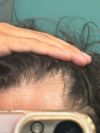
The conversation discusses the effectiveness and side effects of DUT mesotherapy for hair loss. Users are seeking evidence and pictures of successful treatments.
A 19-year-old is experiencing hair loss and has been using Rogaine for a month and finasteride for four days without improvement, while also experiencing testicular discomfort. They are concerned about losing hair density and potential DUPA, comparing their situation to their father's hair condition.
The conversation is about a user considering reducing their dutasteride dose due to side effects like lower libido and watery semen. They plan to use dutasteride mesotherapy every three months to maintain hair while reducing systemic DHT suppression.
The conversation discusses using 1 mg finasteride daily and adding 0.5 mg dutasteride once a week to improve hair loss results. The user is curious if this combination is more effective than finasteride alone.
A 48-year-old man's 11-month progress using 1mg finasteride for hair loss treatment, with significant improvement and no side effects. Other users share their experiences, with some also seeing positive results, while others have not been as successful.
Oral Minoxidil users discuss their experiences with hair regrowth, noting that results may be temporary without a DHT blocker. Some users report significant regrowth after several months but express concerns about needing additional treatments.
A 28-year-old male experienced significant hair regrowth using dutasteride 0.5 mg and 2.5 mg oral minoxidil after previous treatments with minoxidil and finasteride became less effective. He reported no major side effects, except for unwanted hair growth in certain areas.
Dutasteride and oral minoxidil are not effectively stopping hair loss for the user, despite trying various treatments including ketoconazole shampoo. Suggestions include increasing dosages, considering alternative treatments, and consulting a doctor.
The conversation discusses whether to take oral minoxidil in a split dose or a single dose at night. Users suggest that taking a single 10mg dose at night is simpler, while splitting may help minimize side effects.
The conversation discusses hair loss treatments using oral minoxidil, oral dutasteride, and mesotherapy dutasteride, showing impressive 6-month results. The user wishes these treatments were available in the U.S.
The conversation discusses whether to continue using finasteride or switch to dutasteride after one year, with users generally advising to stick with finasteride for more time due to positive results and potential risks of switching. Minoxidil is also being used, and some suggest considering a hair transplant for further improvement.
The post and conversation are about using RU58841 mixed with Minoxidil once a night for hair loss. The user experienced side effects from Finasteride and chose RU58841 instead.
A user taking dutasteride and minoxidil for hair loss is considering adding RU58841 to their regimen due to unsatisfactory results. Other users suggest alternatives and discuss the potential temporary benefits and limitations of RU58841.
Belgium disagrees with the EMA and does not authorize the 1 mg oral form of finasteride for androgenic alopecia, citing a negative benefit-risk ratio. Despite this, some individuals in Belgium can still obtain finasteride through prescriptions, and there is debate over its mental health risks versus its benefits for hair loss and other health issues.
The user is experiencing side effects from Dutasteride 0.5 mg and is considering reducing its frequency or switching back to Finasteride, while continuing with Minoxidil 2.5 mg to preserve their hairline. They are unsure if the increased Minoxidil dose is sufficient for regrowth.
Hair loss discussion includes using fluridil (eucapil), minoxidil, and finasteride. One person takes 1 vial of fluridil daily and 1mg of finasteride every other day for effective treatment with minimal side effects.
A user is experiencing hair loss in the center of their hairline and has been using topical finasteride for seven months with minimal progress. They are considering switching treatments due to concerns about losing ground and potential side effects of other options.
Minoxidil and finasteride are the primary treatments for hair regrowth, but they must be used continuously to maintain results. Alternatives like dermarolling and lifestyle changes are suggested, but their effectiveness varies.
The conversation discusses the comparison of Pyrilutamide Phase II US trial results with 1 mg finasteride for hair loss treatment. It mentions that the total hair count increase in the US trial was not as good as the China trial.
HMI-115, a potential treatment for hair loss that can reverse miniaturization and make individual hairs thicker, as evidenced by data from macaques given the treatment and one subject in the phase I trial.
A user underwent a 2,550 FUE hair transplant and started taking dutasteride 0.5mg. They previously tried RU58841, minoxidil, and microneedling but avoided finasteride and dutasteride due to side effects.
Dutasteride taken three times a week is more effective for hair regrowth than daily finasteride, with fewer side effects. Some users combine dutasteride and finasteride for better results, while others prefer dutasteride alone due to its longer half-life and potential fertility concerns.
Dutasteride treatment may decrease sperm concentration, but levels remain above WHO recommendations and recover after discontinuation. The study has limitations, including small sample size and lack of pre-treatment sperm data, and does not assess other fertility factors.
Using a combination of low-dose topical finasteride (0.025%) and 0.5% pyrilutamide for hair loss, with a focus on minimizing side effects. The user seeks experiences and results from others who have tried this combination.
A user shared their one-year progress on dutasteride, noting fuller hair but persistent thinning at the crown. They sought advice on whether to resume minoxidil and in which form, while others inquired about their choice of dutasteride and its effects.
A 27-year-old male experienced significant hair regrowth using 0.5 mg Dutasteride and 2.5 mg Oral Minoxidil daily, with minimal side effects. He noticed improvement in hairline and crown after an initial shedding phase, and he did not use Finasteride prior to this treatment.
The conversation discusses the potential offering of oral finasteride/dutasteride and oral minoxidil treatments for hair loss, with feedback on pricing and preferences for separate or combined pills. Users express concerns about high costs, preferring affordable options, and some prefer oral over sublingual minoxidil for ease of use.