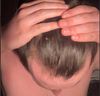
OP experienced significant hair regrowth after recovering from iron deficiency anemia and starting minoxidil. They suspect anemia contributed more to their hair loss than androgenetic alopecia (AGA).
18M experiencing hair loss, using finasteride and considering hair transplant. Replies suggest waiting, giving finasteride a year, and consulting a specialist.
A user is experiencing hair loss despite using dutasteride and oral minoxidil, feeling hopeless and considering a hair system. They are advised to try ketoconazole, seek a second opinion from a dermatologist, and consider treatments like finasteride, RU58841, and hair transplants.
The user shaved their head and is using finasteride and minoxidil for hair loss, expressing confidence in the process despite challenges. They are considering additional treatments like microneedling and are open to trying different looks, including facial hair growth.
The conversation discusses various treatments for hair loss, including finasteride, minoxidil, dutasteride, microneedling, and checking for nutrient deficiencies. Some users suggest adding hydrocortisone butyrate, low-dose progesterone, or tretinoin to treatment regimens, while others recommend cosmetic solutions like Toppik hair fibers or shaving the head.
The user experiencing diffuse hair loss is using various treatments including RU58841, finasteride, minoxidil with tretinoin, anti-hair loss shampoo, and microneedling, and is considering adding peptides TB500, BPC157, and GHK-Cu. They have low growth hormone levels and are questioning its impact on hair loss, while another user suggests androgenic alopecia and androgens are likely the main cause of hair loss.
Dermatologists have differing opinions on hair loss treatments, with some using topical dutasteride, oral minoxidil, exosome therapy, PRP, and various other therapies. The user plans to use a topical solution of dutasteride, minoxidil, tretinoin, PRP, and LLLT.
A 33-year-old male restarted finasteride after stopping it to conceive, noticing hair loss, especially in the crown area. His current routine includes finasteride, minoxidil, ketoconazole, and microneedling, and he plans to continue this treatment for 18 months before making any major changes.
The user has been using dutasteride, lymecycline, betamethasone, and minoxidil for hair loss but struggles with eczema and dry skin. They feel hopeless as no treatments or moisturizers have helped, and they are concerned about their appearance due to their soft facial features.
28-year-old struggles with aggressive hair loss since 18, used minoxidil with limited success. Tried hair systems but found them expensive, shaved head for job interviews but plans to return to hair systems.
A user expressed frustration with hair loss treatments, including finasteride, minoxidil with micro-needling, and RU58841, which all failed to stop hair thinning and miniaturization. Suggestions from others included accepting baldness, considering hair systems, and continuing prescribed antidepressants for depression.
A 27-year-old male experienced rapid hair loss after dengue fever, which activated a balding gene. The doctor suggested platelet-rich plasma treatment for hair regrowth.
The user is experiencing rapid hair loss despite using dutasteride, minoxidil foam, and ketoconazole shampoo, and is concerned about waiting longer to see results. A suggestion was made to consult a dermatologist for a tricoscopy and consider higher doses of dutasteride, while also checking for nutritional deficiencies and thyroid issues.
A 24-year-old shared his 12-month hair loss progress, using 1mg oral finasteride daily, Minoxidil spray twice daily, weekly derma stamping, daily Biotin, Saw Palmetto Shampoo, and occasional Ketoconazole shampoo. He experienced minimal side effects and significant hair density improvement, no longer needing a hat.
The conversation discusses a claim that avoiding coffee can lead to significant hair regrowth in individuals with androgenetic alopecia. Participants are skeptical, with some sharing personal anecdotes that contradict the claim, and others discussing the potential role of caffeine in hair loss and the effectiveness of other treatments like finasteride and minoxidil.
A 23-year-old male is experiencing diffuse hair loss and miniaturization, possibly due to high IGE levels after using tofacitinib. He seeks advice and has not yet consulted a dermatologist.
User tried topical finasteride mixed with minoxidil, Nizoral shampoo, oral minoxidil, and FUE hair transplant for hair loss. User asks when it's safe to trim hair after transplant and considers trying RU58841 or pyrilutamide.
Experiencing continual nonstop hair loss despite using dutasteride for 9 months, and the possible causes behind it being discussed such as nutritional deficiencies, elevated cortisol, vitamin D deficiency or other problems. Other solutions such as minoxidil and finasteride have been suggested.
Hair loss significantly affects men's confidence and mental health. Common treatments include finasteride, dutasteride, and minoxidil, with some considering hair transplants.
Minoxidil, alfatradiol, nizoral, and pyrilutamide can maintain hair for those who can't tolerate finasteride. Consistent use of these treatments can help prevent further hair loss.
The conversation is about someone experiencing continued hair loss despite using Pyrilutamide and considering the need for more time or better quality control for the treatment. Another person suggests waiting for the drug to be officially approved due to potential quality issues with current products.
The conversation discusses a hair loss treatment regimen involving dutasteride, pyrilutamide, oral minoxidil, and microneedling, with the aim of suppressing DHT and stimulating hair growth. Users debate the effectiveness and potential side effects of these treatments, noting that individual results may vary and that no treatment is foolproof.
Hair cloning may become available in 1-2 years in Japan, but widespread availability and affordability could take 7-15 years. Current treatments like finasteride are effective but may lose effectiveness over time.
A user proposed genetically engineering scalp stem cells to stop androgen receptors from causing hair loss. Others discussed the feasibility, existing research, and potential issues with this approach, including targeting the correct cells and unintended effects.
An 18-year-old is experiencing significant hair loss and is concerned about treatment options, including finasteride, minoxidil, and dutasteride, due to potential side effects and costs. They are also taking vitamins for deficiencies and considering alternatives like hair transplants or embracing the bald look.
Dr. Tsuji's stem cell hair multiplication procedure may offer a future solution for hair loss, but it is initially expected to be very expensive, with prices potentially decreasing over time. In the meantime, users discuss using treatments like finasteride, despite side effects, to manage hair loss.
The user has seen significant hair regrowth using topical minoxidil and dutasteride, with better results than finasteride alone. Despite concerns about hairline and temporal peaks, others believe a hair transplant is unnecessary due to the current hair condition.